
Last updated November 15, 2026
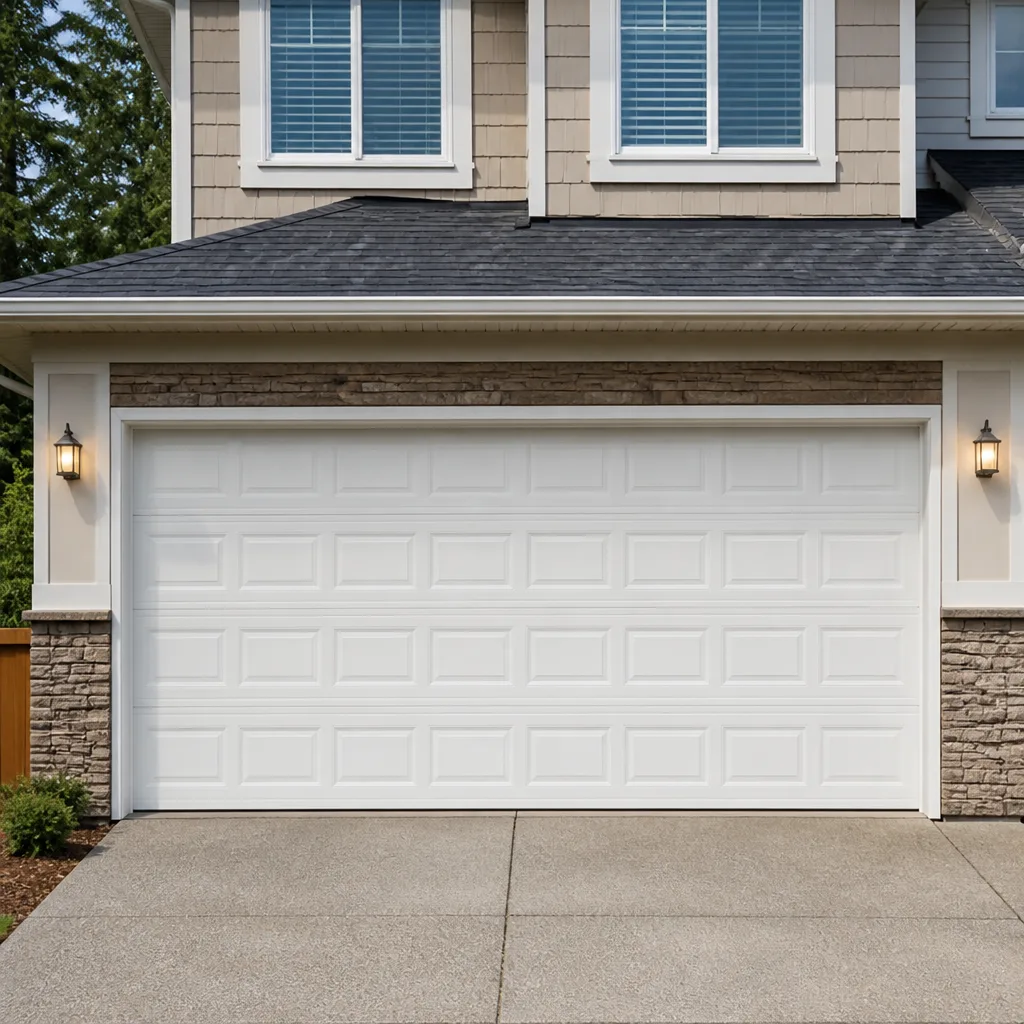 Raised-panel steel
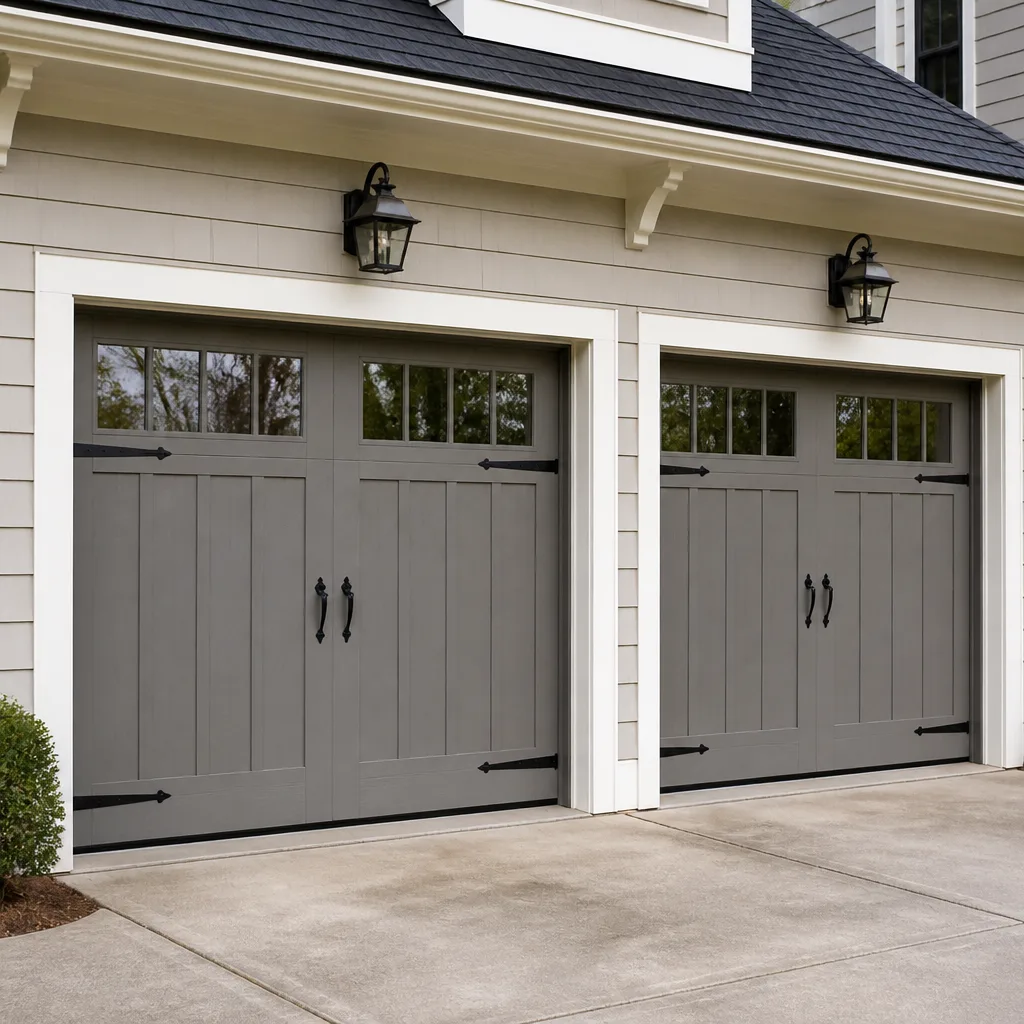 Carriage house
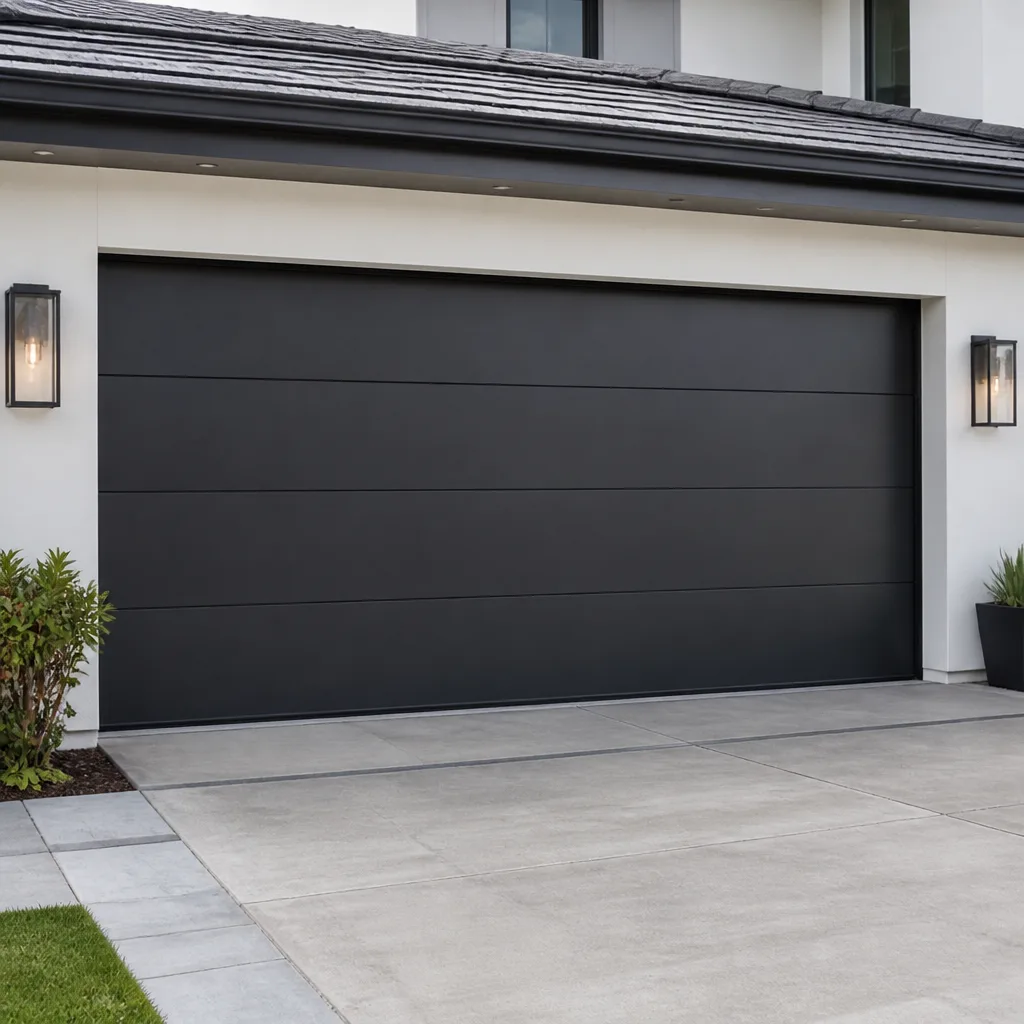 Modern flush
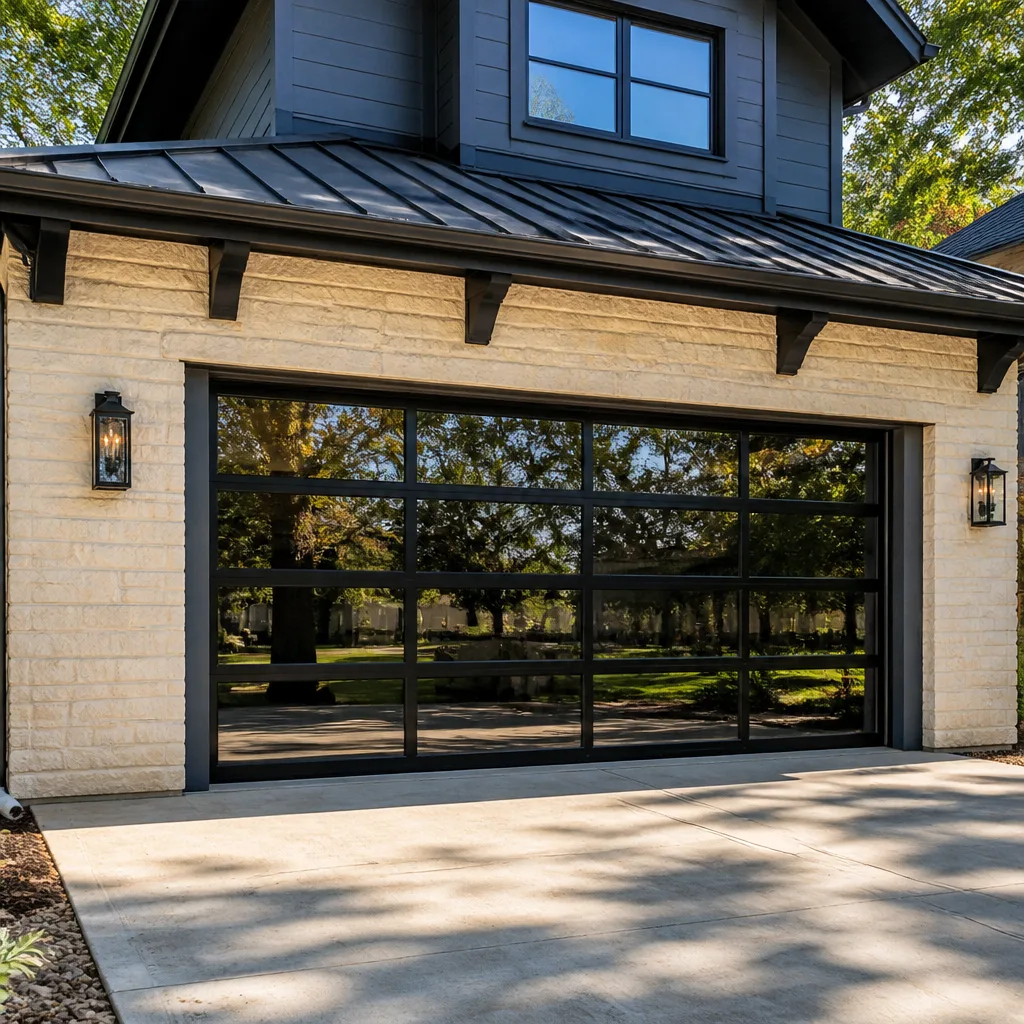 Full-view glass
 LiftMaster openers
 Chamberlain openers
Full 25-point door and opener safety check with every visit - springs, cables, rollers, tracks, and your LiftMaster or Chamberlain opener included
You get a price before we start. It does not change when the pro arrives.
Get your free estimateDIY vs Professional Garage Door: The Tracy Homeowner’s Decision Guide
Most homeowners ask the wrong question. They ask “can I fix this myself?” when the better question is “which parts of this repair actually belong to me?” Garage door work isn’t one skill. It splits cleanly into tasks that are safe and sensible for a homeowner, tasks that are genuinely dangerous no matter how handy you are, and a middle group where DIY is possible but the conditions have to be right. Torsion springs store enough energy to break a wrist or take out an eye, which is why this decision comes down to knowing exactly where the line sits. This guide draws that line for Tracy homeowners, task by task.
Quick Answer
Lubrication, visual inspection, and minor sensor cleaning are safe DIY tasks for most Tracy homeowners. Torsion springs, cables, and opener spring tension are professional-only work because the stored energy can cause serious injury. Everything in between depends on the specific part, your tools, and what the manufacturer’s warranty requires.
Styles & brands we work with
- Raised-panel steel
- Carriage house
- Modern flush
- Full-view glass
- LiftMaster openers
- Chamberlain openers
Table of Contents
- The Task-by-Task Breakdown: What’s Safe and What Isn’t
- Why Springs and Cables Belong to a Technician
- How DIY Repairs Affect Your Door and Opener Warranty
- The Real Cost Comparison: DIY vs Professional
- Which Opener Brands Allow DIY Installation
- Intermediate Tasks: Panel Dents, Tracks, and Sensors
- California Contractor Licensing and When It Matters
- Common Mistakes to Avoid
The Task-by-Task Breakdown: What’s Safe and What Isn’t
Here’s the practical split. Certain garage door maintenance tasks are genuinely homeowner-friendly – they don’t involve stored spring energy, lifting heavy panels, or touching high-voltage wiring. Others carry real physical risk even for people who own the tools. Knowing which list a job falls on saves you money on one side and a hospital visit on the other.
Safe for most homeowners:
- Lubricating hinges, rollers, and tracks with a proper garage door lubricant – not WD-40, which attracts dust and gums up over time
- Visual inspection: looking for frayed cables, rusted springs, loose brackets, or bent tracks
- Cleaning the safety sensor lens and wiping down the photo-eye housing
- Testing the auto-reverse function by placing an object in the door’s path
- Replacing the opener’s remote battery or reprogramming a remote using the manual
- Tightening visible bolts on hinges and brackets that have worked loose
Professional-only:
- Any work on torsion springs, extension springs, or the shaft they ride on
- Cable replacement or adjustment – cables are under extreme tension and can snap without warning
- Replacing or adjusting the bottom bracket, which holds the cable under load
- Any repair that requires disconnecting the door from the opener and lowering it
- Electrical work on the opener’s circuit board or wiring inside the wall
The middle group is where Tracy homeowners get into trouble: panel dent repair, track realignment, and sensor alignment. Those are describable in general terms but the specific conditions in your garage – door weight, spring state, panel age – determine whether DIY is safe. We’ll get to those in a later section.
Why Springs and Cables Belong to a Technician
Torsion springs lift a door that can weigh a couple hundred pounds. The spring is torqued to counterbalance that weight, and the energy stored in a wound spring can release in a fraction of a second if a winding bar slips or a bracket lets go. That’s not a scare line. It’s the mechanical reason properly trained technicians use specific winding bars, steady the door with clamps, and know how to release tension in a controlled way. There’s no safe way to shortcut that.
Extension springs carry the same risk in a different form. Older Tracy homes with extension spring systems sometimes have springs without safety cables running through them. Without those cables, a broken spring can whip across the garage. If you’re unsure which system you have, that’s worth eyeballing – just don’t touch the spring itself.
Cables are the other high-risk area. They run from the bottom corners of the door up to the drum at the top of the shaft. When a cable frays, it can snap under tension and cut anything in its path. If you see a cable with broken strands, fraying, or a visible kink, close the door and stop using the opener until a technician can look at it. This is exactly the sort of work that garage door repair covers, and the reason we treat spring and cable jobs as professional-only every time.
If you’re hearing a loud snap from the garage or the door won’t lift more than a few inches, one of those springs has likely failed. Don’t run the opener repeatedly hoping it fixes itself – that stresses the motor and the remaining spring. Call a technician. In the meantime, keep the door closed and keep kids and pets out of the garage.
How DIY Repairs Affect Your Door and Opener Warranty
Manufacturers write their warranties with specific language about installation and authorized service. Clopay, for example, ties parts of its residential warranty to proper installation, and installing a door incorrectly can void coverage on those components. LiftMaster and Chamberlain publish installation instructions and support homeowner installations of their standard openers, but garage door installers who handle those brands know that a botched install can still void warranty on the door side.
Here’s the practical rule: check the warranty paperwork before you touch anything beyond routine maintenance. Springs and springs alone are usually treated as wear items that a warranty covers only with the parts replaced by an authorized technician. Panel damage caused by a misaligned track, a bent hinge, or an opener that pulled the door off the track is more likely to be excluded if the damage traces back to homeowner work.
This is where brand fluency matters. LiftMaster, Chamberlain, Genie, Clopay, Amarr, Wayne Dalton, Craftsman, and Raynor all handle warranty questions differently, and knowing which ones have dealer-installation requirements versus published DIY paths saves homeowners from a coverage surprise years down the line. Tracy Garage Door Service works with all eight brands and can tell you what your specific door and opener’s paperwork actually says.
One more piece: even routine maintenance that involves taking anything apart can affect warranty coverage. Lubrication and visual inspection don’t. Disassembling the opener housing or the spring assembly does. Know which category a task falls in before you start.
The Real Cost Comparison: DIY vs Professional
Homeowners often assume DIY is always cheaper. It’s not always, and the assumptions deserve unpacking.
The cost comparison for a garage door or opener job really has three parts:
- Parts. DIY parts usually cost more per unit at retail than what a specialist pays through trade channels – and you may not know the exact part number you need without a technician’s diagnosis.
- Time. A spring replacement takes a trained technician a fraction of the time it takes a first-timer. Two trips to the hardware store plus the actual work can eat a weekend.
- Callback risk. This is the big one. Opener installations done without proper torque calibration – the force adjustment on the motor and the travel-limits set wrong – cause premature failure of the motor, the gears, or the door itself. A professional installation that’s dialed in correctly upfront is cheaper than the repair bill when a DIY install fails a year later.
On a full door replacement, the DIY math almost never closes. Doors ship crated and heavy, need a second and third set of hands for panels and springs, and require the correct torsion setup for the door’s weight. The cost of a mistake on that scale dwarfs any savings from self-installing.
Where DIY genuinely saves money: lubrication, sensor cleaning, and visual inspection. Those are the maintenance tasks that keep a professionally installed door lasting longer. No tools, no disassembly, no risk. Just a can of garage door lubricant and a couple of minutes every few months.
Which Opener Brands Allow DIY Installation
Not every opener brand handles DIY installation the same way, and it’s worth knowing which path you’re on before you buy.
Published DIY paths: LiftMaster and Chamberlain both publish detailed installation manuals and, on their consumer lines, sell directly to homeowners for self-installation. Genie does the same. These brands expect homeowners to read the manual and set the door correctly. That doesn’t mean the install is easy – it means the resources exist.
More dealer-oriented: Some opener lines and smart-control configurations are easier to set up through a technician because of the way the motor brain and door weight interact. If you’re putting a new opener onto an existing door, the door’s spring setup matters just as much as the opener, and that’s a professional call.
Door side: Clopay, Amarr, Wayne Dalton, and Raynor are all manufacturer brands where installation quality directly affects warranty coverage. These aren’t DIY-friendly products at the door-panel level. Springs, tracks, panel alignment, and safety testing all matter.
If you’re planning an opener swap and want a professional to handle it, this is one of the three core services we offer. garage door opener repair work includes opener replacement when the old unit has reached end of life. We diagnose the door and the opener together, because they’re two different systems that fail for different reasons.
Intermediate Tasks: Panel Dents, Tracks, and Sensors
Some tasks sit between “safe for anyone” and “call a professional”. Here’s where they land, and what their conditions are.
Panel dent repair. Small dents in a steel panel can sometimes be improved with a suction puller or a hairdryer-and-compressed-air technique. Whether DIY is right depends on the panel’s position, whether it’s steel or aluminum, and whether the dent has cracked a bond or exposed bare metal. Dents in a lower panel where the door contacts the ground can hide structural damage. Dents in a Clopay or Amarr panel that has a warranty-friendly finish can be compromised by heat or prying.
Track realignment. Bent tracks can sometimes be straightened by hand if the bend is minor and near the end of the track. But “straightening” a track that has been pushed out of alignment by a door impact can unseat the rollers and drop the door. If a car has bumped the track or the door itself is crooked, don’t try to hand-straighten it – the springs are now out of balance with the door.
Safety sensor adjustment. Sensors have a photo-eye that needs to be pointed at its partner, roughly six inches off the ground on each side. Small nudges and cleaning are fine. If one sensor’s LED is off entirely, the problem is wiring or the opener brain, not the sensor’s position – and that’s a professional call.
Opener force adjustment. The force settings on the motor determine how hard the opener pushes before it reverses. Turn them up too high and the door won’t auto-reverse; turn them down too low and the door thinks it’s hitting an obstruction when it isn’t. There’s a narrow range that’s correct, and getting it wrong is a safety issue. Know where those settings are so you can spot them if needed. Don’t change them without knowing what the manual says.
California Contractor Licensing and When It Matters
California’s Contractors State License Board requires a state license for any contractor performing work valued at a certain threshold on residential property. Garage door installation and repair that involves structural changes, spring work, or electrical work falls into the licensed-contractor category. The license exists for two reasons: consumer protection and safety.
If you hire anyone – not just us – ask for a license number and verify it at the CSLB website before the work starts. Tracy Garage Door Service connects you with licensed, insured technicians, and we make sure the people doing the work carry the right credentials for the job.
For DIY work, licensing doesn’t apply to your own home. But the warranty issue does. A warranty claim on a Clopay or LiftMaster product that fails because the installation was done outside the manufacturer’s specifications is often denied, and no license helps you with that. That’s why proper installation via a licensed technician matters to your coverage even if you never plan to sell the house.
One more local angle: Tracy falls under the City of Tracy’s building department for permits on certain garage-related work. Most repair jobs don’t need a permit, but adding a new garage, converting a garage, or doing structural work on the header almost always does. Ask the city’s building department before starting – a licensed contractor will know to ask the same question.
If you’re looking for a licensed and insured garage door specialist in Tracy is our home base and we know the local housing stock, from the older single-story ranches near downtown to the newer subdivisions off Corral Hollow and Valpico.
Common Mistakes to Avoid
- Trying to unwind a torsion spring yourself. Winding bars are the only tool that safely holds a torqued spring, and even with bars, it’s trained work. Slipping one bar releases stored energy instantly. Skip this one.
- Lubricating tracks with oil or WD-40. Tracks should be cleaned and left essentially dry or with a very light silicone spray on the rollers – oil attracts dust and grime, which makes the door noisier and stresses the opener. Garage door lubricant goes on hinges and springs, not the tracks themselves.
- Ignoring the door weight before changing the opener. A new opener installed on a door with a failing spring will overwork the motor and trip the safety reverse. The door needs to be balanced first, then the opener.
- Pulling a dented lower panel with too much force. Steel panels can crack at the corners or pull free from the stile if you overdo it. On a Clopay or Amarr panel, that damage can void the paint warranty separate from the door’s structural warranty.
- Cutting into an opener’s wiring without turning off the breaker. Opener wiring carries low voltage but is still tied to household circuits. If the circuit isn’t dead at the breaker, you’re dealing with live voltage.
- Replacing just one spring when the pair has failed together. Springs are matched to each other by tension. One new spring on a door with an old one causes uneven lift and shortens the new spring’s life. Pairs should be replaced together, which is a reason the price for a matched pair sits roughly double a single-spring repair.
- Skipping the auto-reverse test. Every homeowner should test that the door reverses when something blocks the path. It’s a two-minute job that catches sensor and force problems before they become dangerous.
See the difference
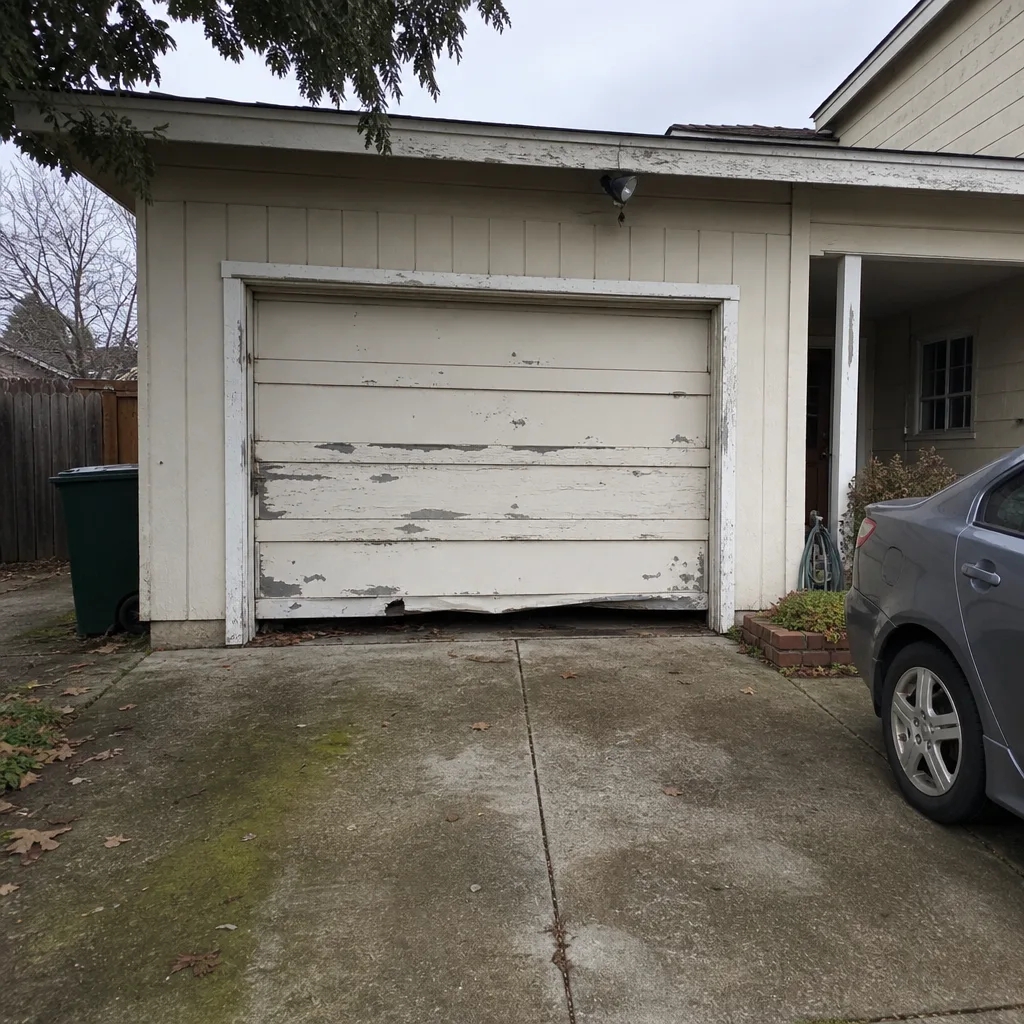 Before
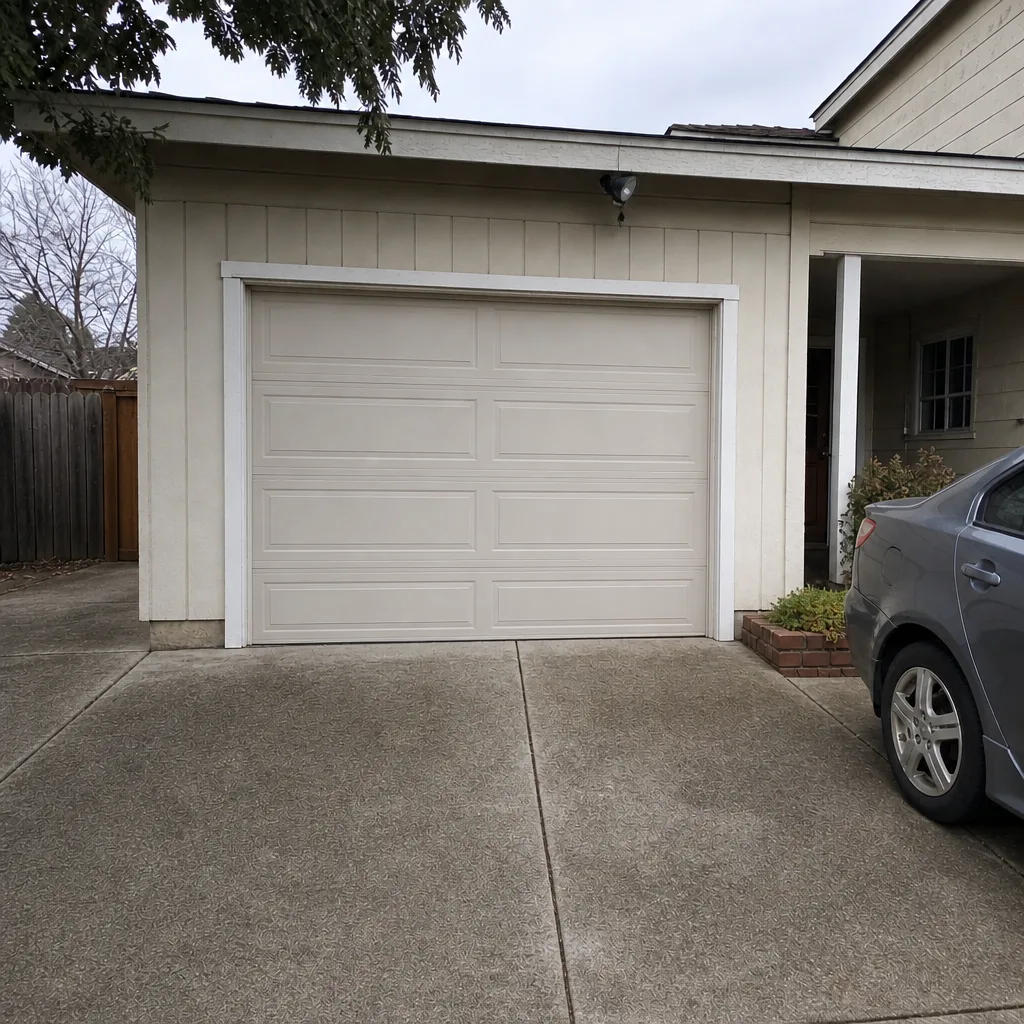 After
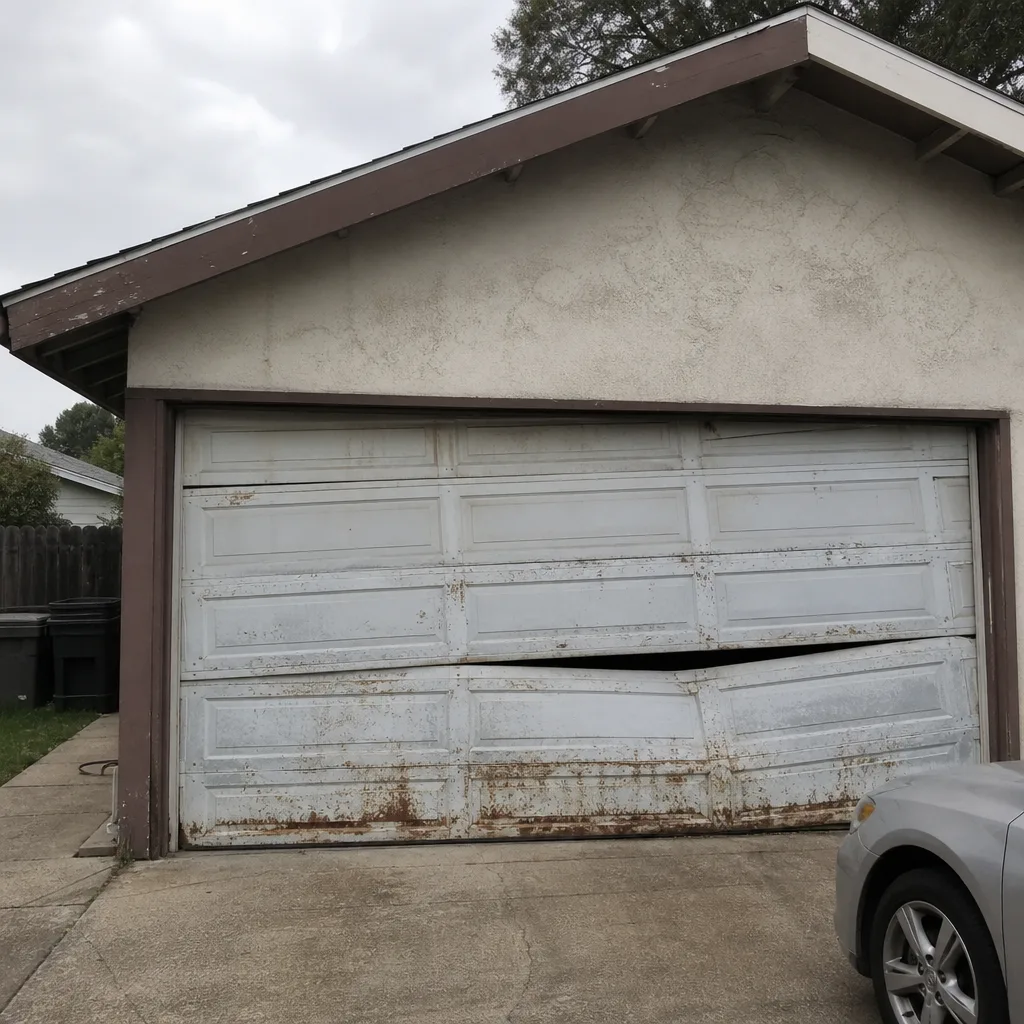 Before
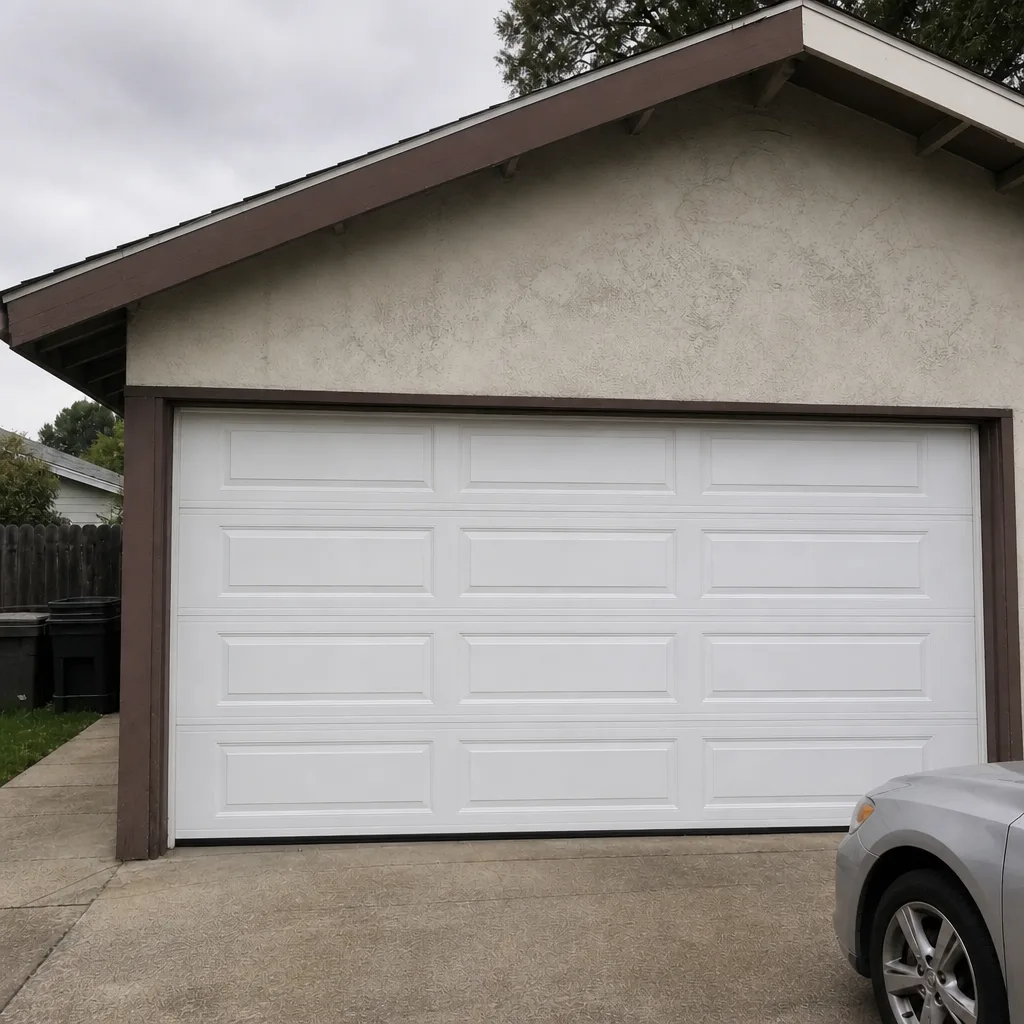 After
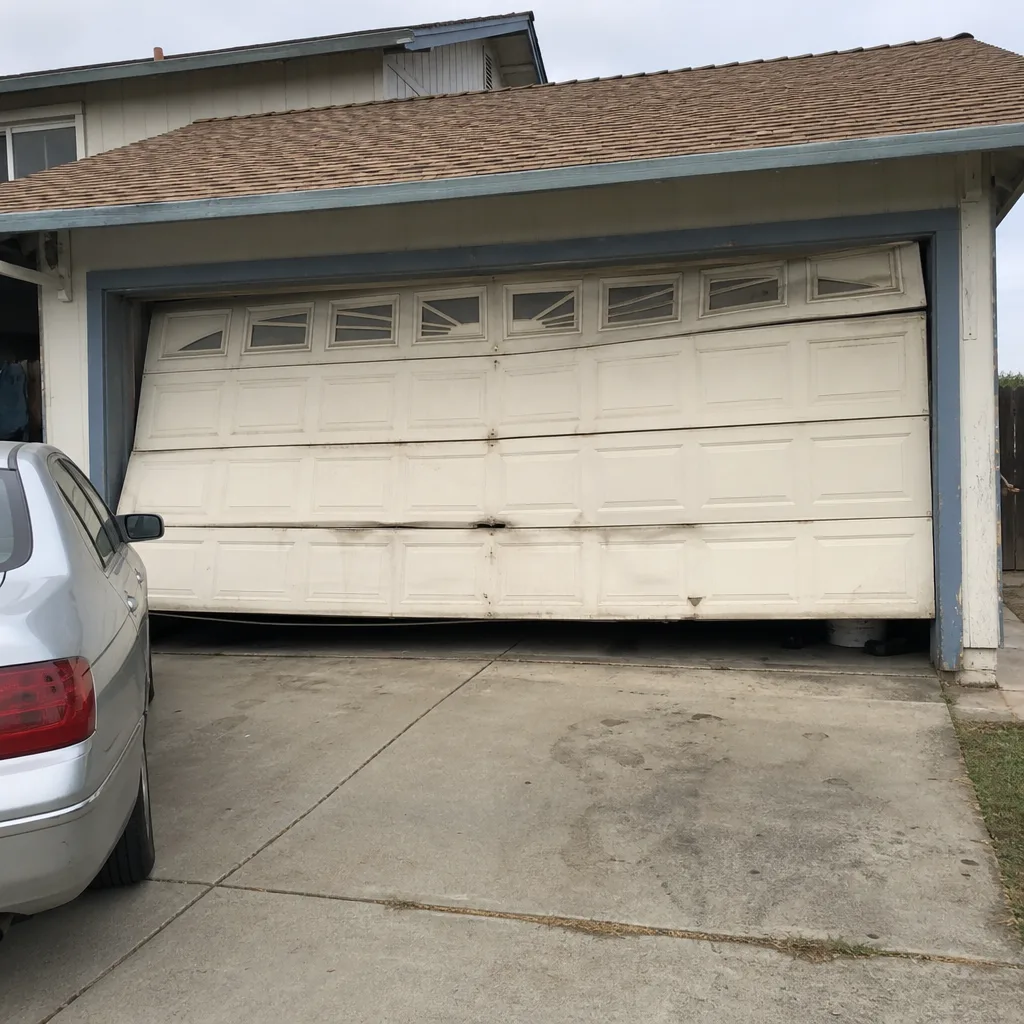 Before
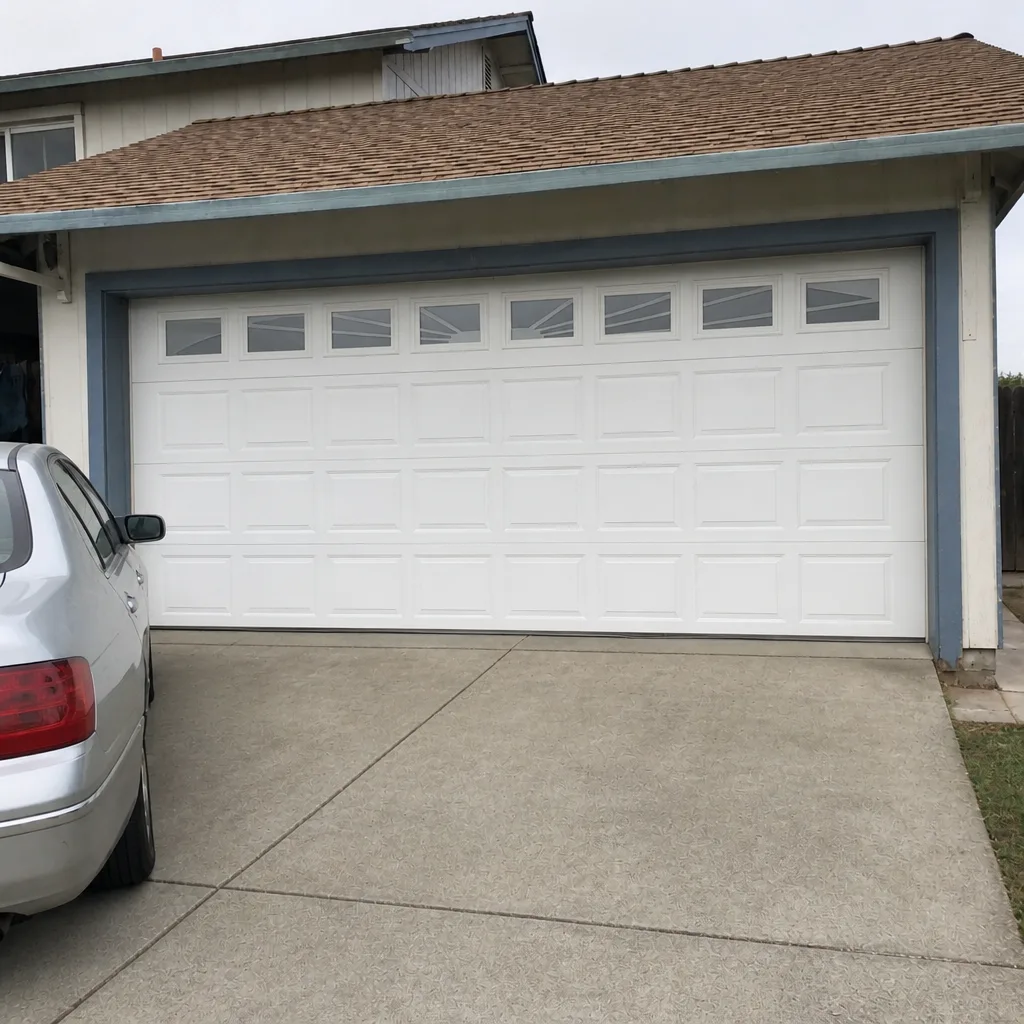 After
When to Call a Professional
Call a technician when: a spring breaks or visibly stretches; a cable frays or comes off its drum; the door comes off its track; the opener stops lifting the door, makes grinding noises, or runs but the door doesn’t move; the door slams closed or reverses without an obstruction; or the panel has structural damage rather than a small cosmetic dent. Those situations fall outside the safe DIY range, and trying to work through them can turn a repair into a replacement.
For jobs where the decision isn’t clear, call and describe what you’re seeing. A technician can usually tell from your description whether it’s a DIY task or one that needs a visit. Tracy Garage Door Service offers free estimates in Tracy – call (855) 473-8941. Our technicians have up to 14 years of experience across LiftMaster, Chamberlain, Genie, Clopay, Amarr, Wayne Dalton, Craftsman, and Raynor systems.
Frequently Asked Questions
No. Torsion and extension springs are under extreme tension and can cause serious injury if released without the right tools and technique. Winding bars, clamps, and controlled release procedures are trained work. Springs and cables should always be handled by a professional, and this is the one category where we never recommend a DIY attempt.
Sometimes. LiftMaster, Chamberlain, and Genie publish installation manuals and support homeowner installs on their consumer lines. The catch is the door itself – if the door isn’t balanced, torque-calibrated, and set to the correct travel limits, the opener will wear out prematurely or the safety reverse won’t work correctly. The safest path is a professional installation, and the price is quoted and agreed before work starts. Call (855) 473-8941 for a free estimate.
It can. Clopay, Amarr, Wayne Dalton, and Raynor all tie parts of their residential warranties to proper installation, and repairs that involve unauthorized disassembly or parts can void coverage. Check the warranty paperwork before you start, and if you’re unsure, ask a brand-fluent technician. Losing a warranty claim on a panel or spring is more expensive than having the work done correctly the first time.
Lubrication, sensor cleaning, visual inspection, remote battery replacement, and testing the auto-reverse function are all safe for homeowners. Those are the tasks that extend the life of a properly installed door. Disassembly, spring work, and electrical work belong to a technician. Between those categories, ask before you start.
Garage door repair pricing depends on the part, the door weight, the brand, and whether one or two springs need replacement. Single-spring repairs typically run $180 to $340 in the Tracy market, and a matched pair is usually about double that. The written estimate you receive sets the final price and is agreed before any work starts. Call (855) 473-8941 – estimates are free.
For most repair and installation work, yes – California’s Contractors State License Board requires a state license for residential work above a certain threshold. Ask any contractor for their license number and verify it at the CSLB site before work starts. For a new garage build or structural modification, the City of Tracy’s building department can tell you whether a permit is required. We connect you with licensed, insured technicians.
The Bottom Line
The DIY vs professional question for garage doors comes down to three tasks: DIY-safe, professional-only, and condition-dependent. Lubrication, inspection, and basic tests fit the first. Springs, cables, and electrical work fit the second. Panel dents, track work, and sensor fixes fit the third and depend on what you see when you look closely. Getting that split right saves money on one side and prevents a serious injury on the other. For everything beyond the safe DIY list, a specialist is the cheaper and safer path – and it’s a path we handle for every major door and opener brand. Call (855) 473-8941 for a free estimate. We answer 24/7. Fast dispatch from 7am to 7pm, Sunday through Friday.
Written by the team at Tracy Garage Door Service.