
Last updated November 15, 2026
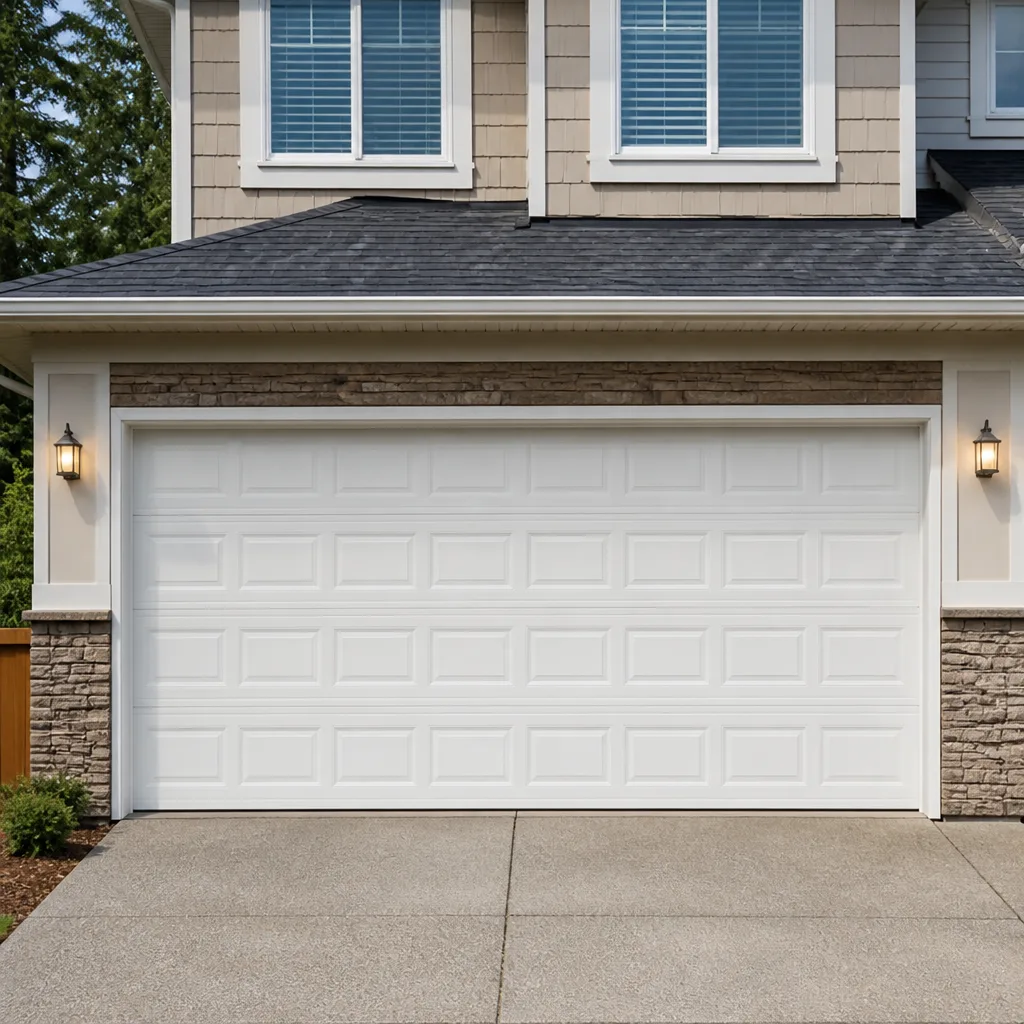 Raised-panel steel
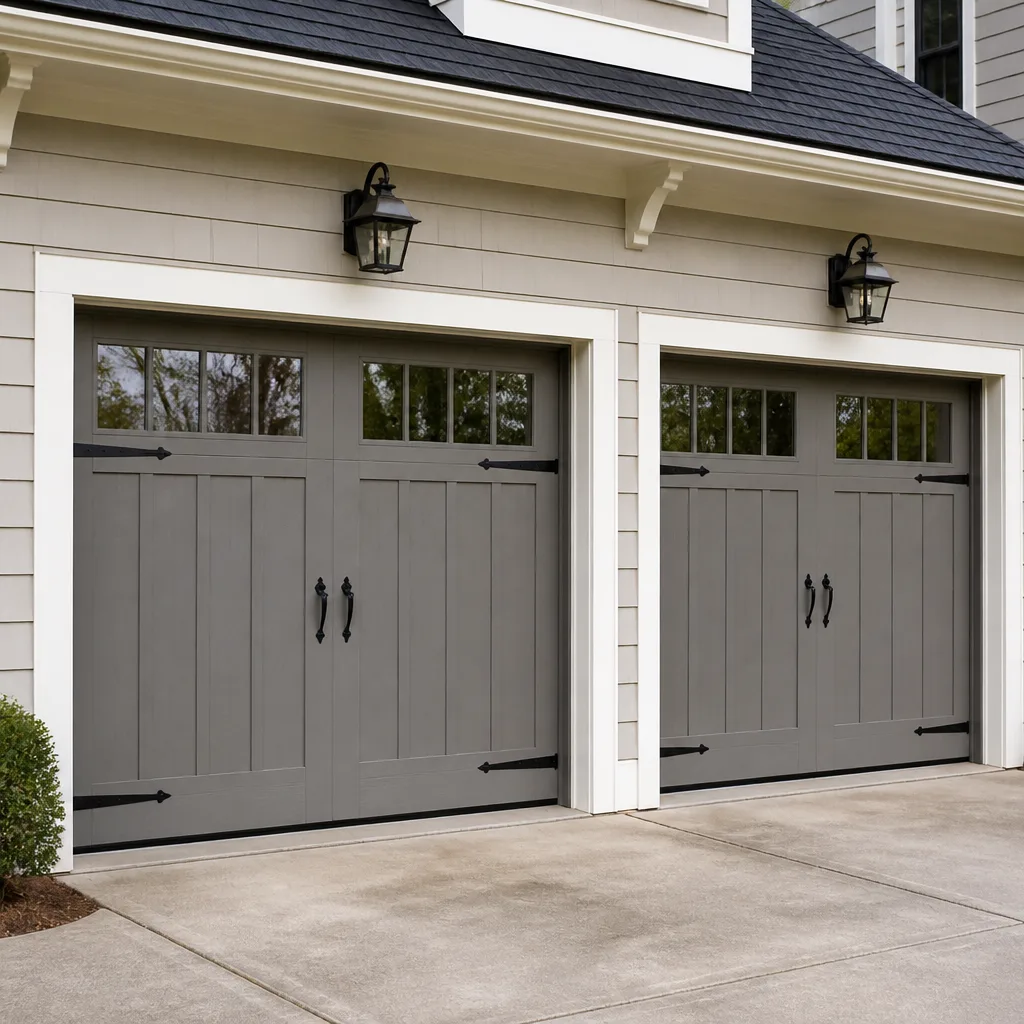 Carriage house
 Modern flush
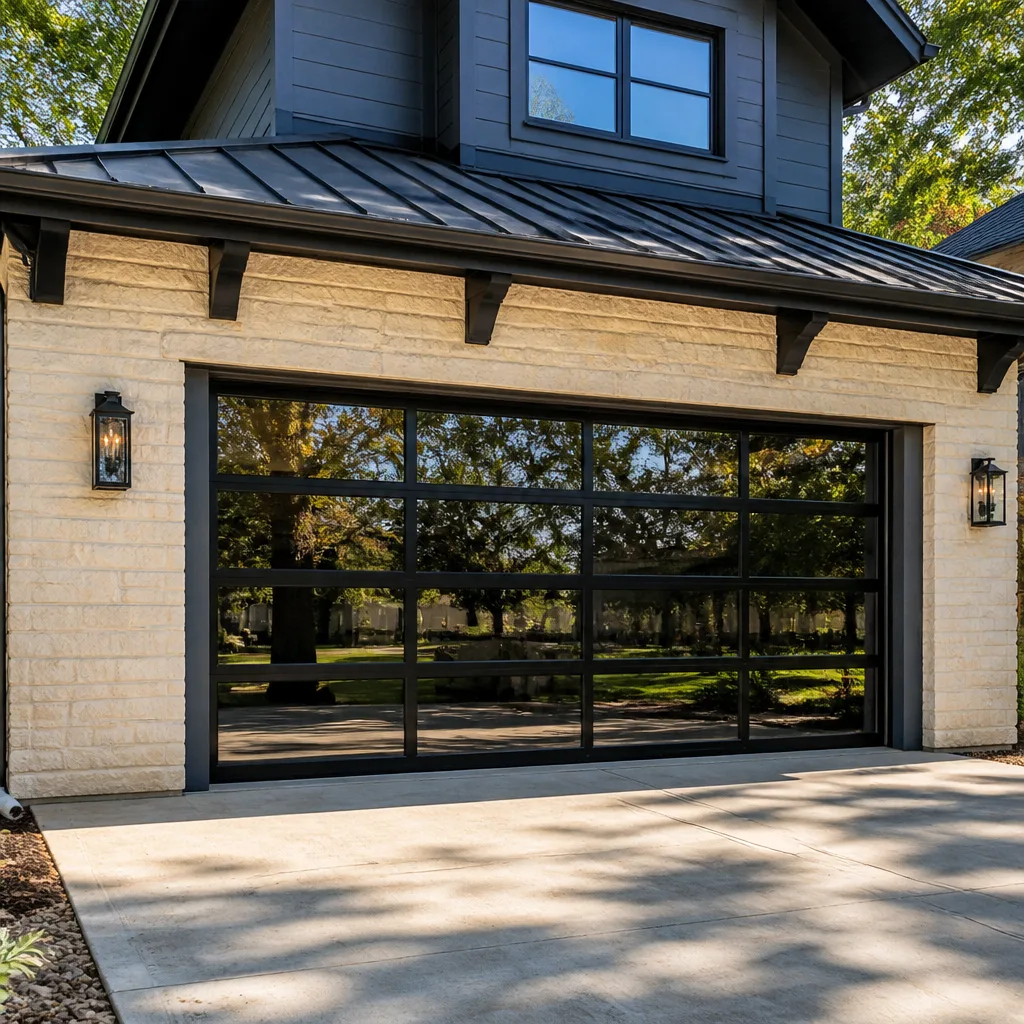 Full-view glass
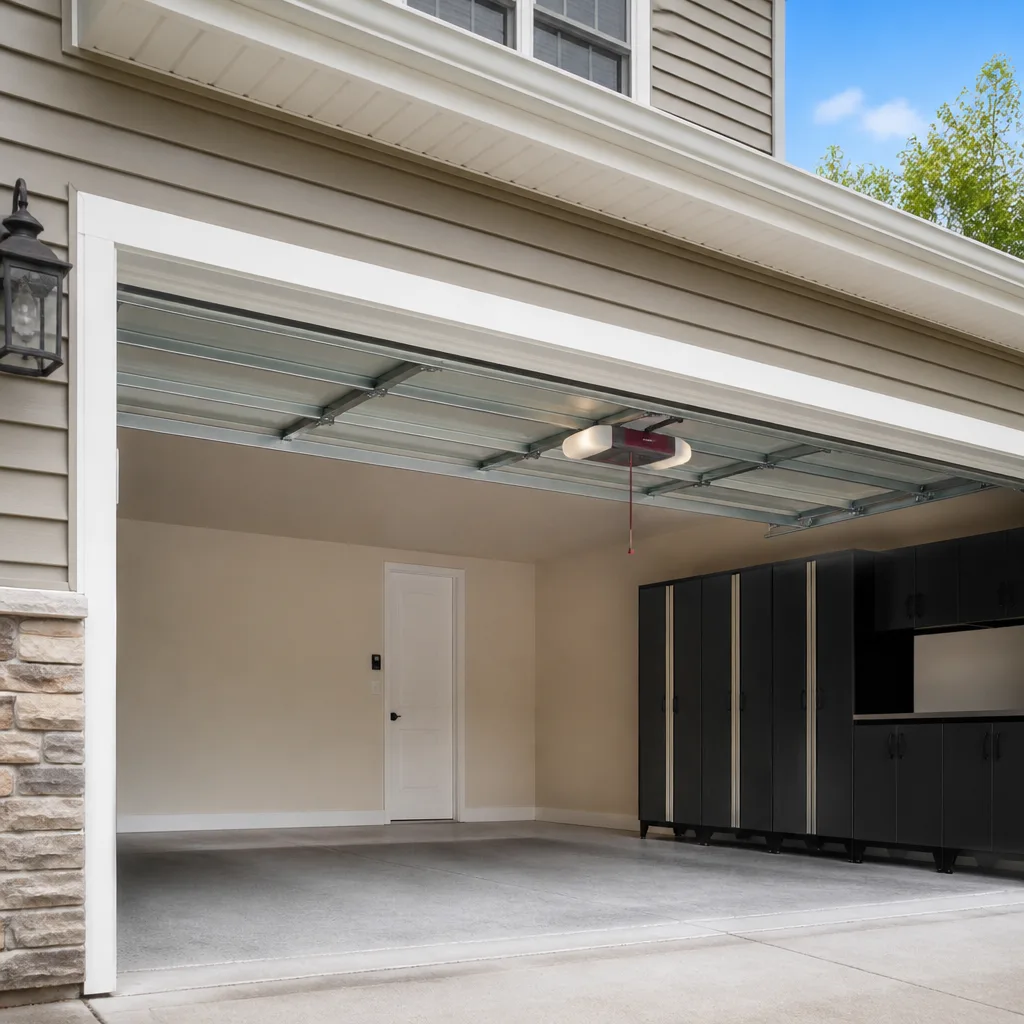 LiftMaster openers
 Chamberlain openers
Full 25-point door and opener safety check with every visit - springs, cables, rollers, tracks, and your LiftMaster or Chamberlain opener included
You get a price before we start. It does not change when the pro arrives.
Get your free estimateGarage Door Permits, Codes & Inspections in Tracy, CA: What You Need to Know
Here’s a fact that surprises a lot of Tracy homeowners: swapping out a garage door for one the same size usually doesn’t require a building permit. But add an opener circuit, change the rough opening, or touch the header above the door, and you’ve crossed into permit territory. The line between “like-for-like replacement” and “modification” is thinner than most people assume, and it’s the spot where well-meaning homeowners get themselves into trouble at resale. This guide walks through how permit rules apply to garage doors in Tracy, what inspectors look for during a home sale, and how to handle a modification a previous owner left behind. We’re not the building department, but we’ve spent years installing and repairing doors here and we know where the questions usually come up.
Quick Answer
In Tracy, a like-for-like garage door replacement of the same size in the same opening typically does not require a building permit. However, projects that add an opener circuit, modify the rough opening, alter the header, or change the door’s structural relationship to the wall generally do require a permit from the City of Tracy Building Division. Always confirm the current threshold with the Building Division before scheduling work, because requirements can be updated and the final call rests with them. Insulated versus non-insulated doors on a conditioned garage can also bring California Title 24 energy code into the conversation.
Styles & brands we work with
- Raised-panel steel
- Carriage house
- Modern flush
- Full-view glass
- LiftMaster openers
- Chamberlain openers
Table of Contents
- When Does a Garage Door Project Need a Permit in Tracy?
- What “Rough Opening Modification” Means and Why It Always Triggers a Permit
- California Title 24 and Insulated Garage Doors on Conditioned Garages
- Does Adding or Replacing a Garage Door Opener Require a Permit?
- How Unpermitted Garage Work Surfaces During a Home Sale
- How to Handle an Unpermitted Modification You Inherited
- Working With the City of Tracy Building Division: A Step-by-Step Approach
- Common Mistakes to Avoid
- When to Call a Professional
- Frequently Asked Questions
- The Bottom Line
When Does a Garage Door Project Need a Permit in Tracy?
The clearest way to think about it: is the project a straight replacement, or is it a change? A straight replacement means the new door matches the old one in size, sits in the same opening, uses the same track and anchor points, and doesn’t touch the framing. That’s the scenario that usually falls outside permit requirements because you’re not altering the structure of the home.
A change means something about the assembly is different in a way that affects the building. Common examples that generally do require a permit through the City of Tracy Building Division:
- Changing the width or height of the rough opening to fit a wider or taller door.
- Adding a new electrical circuit or outlet for a garage door opener where none existed.
- Modifying the header beam above the door, or any change to the load-bearing framing around the opening.
- Converting a non-operable or solid-panel opening into a working overhead door.
- Any project where the door’s weight or operation changes enough that the tracks, springs, or reinforcement need re-engineering.
Because the City of Tracy Building Division makes the final call on any given project, the honest answer here is: ask them before you order a door or book installation. A five-minute call to the counter saves a headache later. We routinely talk homeowners through what their project actually involves before we quote it, so they know which category they fall into.
One thing we see often in Tracy: a homeowner wants to upgrade from a non-insulated door to an insulated garage door of the same size and assumes the permit is automatic. Usually it isn’t, since the opening and framing are unchanged; but the Title 24 question (covered below) still deserves a look if the garage shares a wall with conditioned living space.
What “Rough Opening Modification” Means and Why It Always Triggers a Permit
The rough opening is the framed hole in the wall where the garage door goes. It has a width, a height, and a header above it that carries the load of whatever is above the opening. When you modify the rough opening, you’re changing the structure of the house, not just the finish. That’s why any modification here always involves a permit, regardless of how small the change sounds.
Here’s what “modification” actually includes in practice:
- Widening the opening to fit a double door where a single used to be.
- Raising the header to fit a taller door, often to clear a lifted truck or SUV.
- Replacing or sistering the header itself because the existing beam is undersized, damaged, or doesn’t meet current requirements.
- Moving the vertical framing to relocate the door within the wall.
Each of these is a structural change. In Tracy, homes in neighborhoods built in the 1980s and 1990s sometimes have framing details that don’t match what a modern door manufacturer spec calls for, so even a same-size replacement can turn into a framing conversation once the old door comes down. When that happens, the project is no longer “like-for-like.” It becomes a structural modification, and the permit path is the correct one. We’d rather flag that at the measuring stage than discover it after the truck has left.
The point isn’t to scare you off a modification. Plenty of Tracy homeowners need a wider door or a raised header for a good reason. The point is to do it the right way, with the permit pulled and the work inspected, so nothing comes back to bite you later.
California Title 24 and Insulated Garage Doors on Conditioned Garages
California Title 24 sets the state’s energy code, and it has implications for garage doors when the garage is part of the conditioned envelope of the home. That means the garage shares a wall, ceiling, or floor with living space that’s heated and cooled, and the door becomes part of the thermal boundary. In that situation, an insulated door can matter for compliance, not just comfort.
What this means for a Tracy homeowner:
- If the garage is fully detached and unconditioned, Title 24 garage door provisions usually don’t apply the same way.
- If the garage is attached and shares conditioned walls, an insulated door may be the appropriate choice, and the door’s stated insulation values may need to be documented.
- If you’re replacing the door as part of a larger remodel or addition that requires a permit, Title 24 will be evaluated alongside the structural review.
- If you’re doing a straight replacement of a non-insulated door with another non-insulated door, the question usually comes down to what was already there and what the Building Division requires for that scope.
We install doors from manufacturers like Clopay and Amarr that publish insulation values and are built for California’s climate, so when a Title 24 question comes up, we can point to the manufacturer documentation rather than guessing. Tracy’s summers push triple digits and its winters run mild, so an insulated door also makes the garage more usable year-round. That said, energy code compliance is a building department question, not a manufacturer question, so confirm the specifics with the City of Tracy Building Division.
Does Adding or Replacing a Garage Door Opener Require a Permit?
Replacing an opener on an existing circuit is usually not a permit item. Adding a new circuit, or installing an opener where none existed before, generally is, because the electrical work falls under the permit scope for the electrical system. That’s the split to know.
Here’s how we see it play out in Tracy:
- Swapping an existing opener for a new unit of the same type – typically no permit required, since the wiring, outlet, and mounting location don’t change.
- Upgrading to a different drive type – for example, moving from a chain drive to a belt or jackshaft unit on the same outlet – usually still no permit, as long as the electrical is untouched.
- Adding an opener where there wasn’t one – new wiring, new outlet, new circuit, permit required.
- Adding a battery backup or smart controller that involves new wiring – case by case; ask the Building Division.
Openers are their own system, separate from the door itself, and they fail for different reasons. A door can be perfectly balanced while the opener is grinding, or the opener can be fine while the door is out of balance. That’s why we treat garage door opener repair as a dedicated service, and it’s also why we can tell you up front whether the work you’re describing is a straight swap or something that touches the electrical permit line.
We work with LiftMaster, Chamberlain, Genie, and Craftsman openers, and we install doors from Clopay, Amarr, Wayne Dalton, and Raynor. When you call, we can match what’s in your garage with the right replacement without improvising. Just be sure to flag any new electrical work so the permit question gets answered before we schedule.
How Unpermitted Garage Work Surfaces During a Home Sale
Unpermitted garage work usually shows up at the worst possible time: during a home sale. The buyer’s inspector walks the property and notes anything that looks like a change without documentation, and that note lands in the report. The sale doesn’t necessarily fall apart, but the negotiation can get complicated, and the seller is often the one answering questions.
What inspectors typically look for in the garage area:
- Size of the door relative to the opening, compared with what the original plans or listing records show.
- Header and framing details that look newer or different from the surrounding structure.
- Electrical outlets, wiring, or conduits that don’t appear to have been part of the original construction.
- Whether a permit was ever pulled for a remodel, addition, or conversion that involved the garage.
- Disclosure statements from the seller about known alterations.
California sellers are required to disclose known material facts about the property. If you did a garage modification without a permit, that’s typically a disclosure item. If you inherited a modification from a previous owner and you don’t know its history, that’s also worth disclosing as an unknown, which is different from hiding it.
The fix is usually to get the work inspected and, if needed, permitted retroactively. Sometimes that means opening up the wall so the inspector can see the framing. Sometimes it means a structural review. The cost of that depends entirely on what was modified, so we won’t quote a number that isn’t grounded in the specifics. What we can do is tell you what the door and framing look like now, and whether they’d pass a visual inspection, so you know what you’re walking into with the Building Division.
How to Handle an Unpermitted Modification You Inherited
You bought a house in Tracy, the garage door is bigger than the original plans show, and you have no paperwork. That’s a familiar spot, and it’s not a disaster. The right approach is to treat it as a compliance project, not a cover-up project.
Here’s the sequence that usually works:
- Pull the permit history. Ask the City of Tracy Building Division for the permit records on your address. You’ll find out what was permitted and what wasn’t.
- Get a professional assessment of the door and framing. We can look at the header, the tracks, the anchors, and the door’s operation and tell you whether the assembly is safe and structurally sound.
- Ask the Building Division what they need. Depending on what was modified, they may require a permit application, plan review, a structural letter, or an inspection.
- Complete any corrective work required. That might be a reinforcement, a re-anchor, a header fix, or in some cases a full re-installation done to current standards.
- Get the inspection and the paperwork. Once you have the signed-off permit, it becomes part of your property record, which is also useful at resale.
One caveat: we can’t tell you what the Building Division will require, and there’s no shortcut around talking to them. What we can do is give you a clear read on the physical condition of the door and its framing so you can have a productive conversation rather than a guessing game. If the door needs to come out and go back in to make the fix pass, we handle that as part of our installation service.
Working With the City of Tracy Building Division: A Step-by-Step Approach
Every permit conversation goes smoother if you walk in prepared. The Building Division staff handle a lot of projects, and the ones that move fastest are the ones where the homeowner arrives with clear information.
Here’s the step-by-step we recommend:
- Describe the project in one sentence. “I’m replacing a 16-foot door with the same size and type” is a different project from “I’m widening the opening from 9 feet to 16 feet.” Say which one.
- Bring the door spec sheet. Manufacturer, model, size, weight, and, if it’s insulated, the stated insulation values. Clopay and Amarr both publish these documents, and having them on hand answers the Title 24 question immediately.
- Bring a simple sketch. Show the existing opening and the proposed opening side by side. Even a hand-drawn sketch the size of a napkin works.
- Ask the threshold question directly. “Does this project require a permit?” is a fair question, and the counter staff will tell you.
- If a permit is required, ask what the submittal needs. Plans, structural calculations, energy documentation, inspection sequence, all of it. Get the list in writing or by email if you can.
- Schedule inspections at the right milestones. Some inspections happen before the door goes in, some after. Know the sequence before you start so you’re not pausing mid-install.
We’ve worked with homeowners across Tracy on this exact flow, from the older neighborhoods near downtown to newer homes on the city’s west side, and the pattern is consistent: preparation makes the difference. If you’re not sure what your project involves, call us first and we’ll describe it plainly so you can walk into the Building Division with the right words.
Common Mistakes to Avoid
- Assuming a same-size replacement never needs a permit. Usually true, but not automatic. If the header, framing, or electrical is touched along the way, the permit threshold changes.
- Changing the rough opening without telling anyone. Widening the opening to fit a bigger door is a structural change. Doing it without a permit creates a resale problem that follows the house, not the installer.
- Skipping the insulation conversation on an attached garage. If the garage shares a wall with conditioned space, Title 24 may apply to the door you choose. Confirm with the City of Tracy Building Division before ordering.
- Installing a new opener on a new circuit without checking the permit scope. Replacing an opener on an existing outlet is one thing. Running new electrical is another, and the permit question is different in each case.
- Not pulling the permit records before selling. In Tracy, and across California, the permit history is part of the disclosure process. Find out what’s on record for your address before a buyer’s inspector does.
- Hiding an inherited modification instead of correcting it. The retroactive permit path exists, and the Building Division deals with inherited work all the time. Disclosure and correction are simpler than discovery.
- Treating a generalist handyman as a permit advisor. A handyman can hang a door, but permit scope, Title 24, and structural questions are not their lane. A specialist who works on garage doors every day can tell you where the lines are, and the Building Division makes the final call.
When to Call a Professional
Some garage door work is genuinely a job for a specialist, and it’s worth saying so plainly. Call a professional if the door is 8 feet or wider, if the opening is being changed in any way, if the header looks damaged or undersized, if the springs or cables are involved (these are under extreme tension and dangerous to touch), if the opener wiring is being modified, or if the door is out of balance, binding, or making noise that wasn’t there before. Any project that touches the structural assembly around the opening is also a project where the permit scope matters, and a licensed professional can help you sort out which category you’re in.
We handle garage door repair and full installation across the brands most Tracy homes actually have: Clopay, Amarr, Wayne Dalton, and Raynor on the door side, LiftMaster, Chamberlain, Genie, and Craftsman on the opener side. Our technicians have up to 14 years of experience, and the estimate is free. If you’re not sure whether your project needs a permit, call Tracy Garage Door Service at (855) 473-8941. We answer 24/7. Fast dispatch from 7am to 7pm, Sunday through Friday. We’re closed on Saturday.
Frequently Asked Questions
Usually no, when the new door matches the old one in size, type, and location in the opening, and no framing or electrical is touched. Any change to the rough opening, header, or electrical circuit generally does require a permit from the City of Tracy Building Division. Confirm with the Building Division before scheduling, since the final determination is theirs. Call (855) 473-8941 for a free estimate and we’ll walk you through what your project involves.
It can, yes. The buyer’s inspector will typically note any garage work that appears to lack documentation, and California sellers are required to disclose known material alterations. That can slow down a sale or reopen the negotiation. The fix is usually to get the work inspected and permitted retroactively through the City of Tracy Building Division. Call (855) 473-8941 if you want a professional assessment of the door and framing before you talk to the city.
A replacement is like-for-like: same size door in the same opening, with no framing or electrical changes. A modification changes something structural or electrical about the assembly, such as widening the opening, raising the header, or adding a new opener circuit. Modifications generally require a permit; straight replacements usually don’t. Call (855) 473-8941 and describe your project, and we’ll tell you which category it sounds like.
It depends on whether the garage is part of the conditioned envelope of the home. If the garage is attached and shares walls with heated or cooled living space, the door may fall under Title 24 energy code provisions. If the garage is detached and unconditioned, Title 24 usually doesn’t apply the same way. Confirm with the City of Tracy Building Division. Call (855) 473-8941 and we’ll point you to the manufacturer insulation documentation for the door you’re considering.
Adding an opener where none existed typically requires a permit because it involves new electrical work: a new outlet, a new circuit, or both. Replacing an opener on an existing outlet usually doesn’t. The City of Tracy Building Division makes the final call. Call (855) 473-8941 and tell us whether the outlet already exists, and we’ll tell you what we can handle and what needs the city.
Yes, in many cases. The process starts with pulling the permit history on your address from the City of Tracy Building Division, then getting a professional assessment of the door and framing, then applying for the permit and inspection the Building Division requires. It’s a normal path and the city handles it regularly. Call (855) 473-8941 if you want the physical condition of the assembly evaluated before you start.
The Bottom Line
Garage door permit rules in Tracy come down to one question: are you replacing, or are you changing? A like-for-like replacement in the same opening usually doesn’t need a permit. Any change to the rough opening, the header, the electrical circuit for an opener, or the structural relationship between the door and the wall generally does. Title 24 adds an energy code layer when the garage shares conditioned space with the house. And any unpermitted work you inherit becomes a disclosure item at resale, which is why correcting it sooner is easier than correcting it later. The City of Tracy Building Division makes the final determination on every project, so the smart move is to call them early, describe the job clearly, and bring your paperwork. That’s the difference between a straightforward replacement and a resale headache.
Get a Free Estimate
If you’re planning a garage door replacement, considering a modification, or want a professional read on a door you inherited, we can help you understand what your project actually involves. Our technicians have up to 14 years of experience, and we work on the brands in your home today: Clopay, Amarr, Wayne Dalton, Raynor, LiftMaster, Chamberlain, Genie, and Craftsman. One call covers it, from measuring and installation to the opener service that follows. Call (855) 473-8941 for a free estimate. We answer 24/7. Fast dispatch from 7am to 7pm, Sunday through Friday. We’re closed on Saturday. The price is quoted and agreed before any work starts, and the written estimate sets the final price.
Written by the team at Tracy Garage Door Service.
See the difference
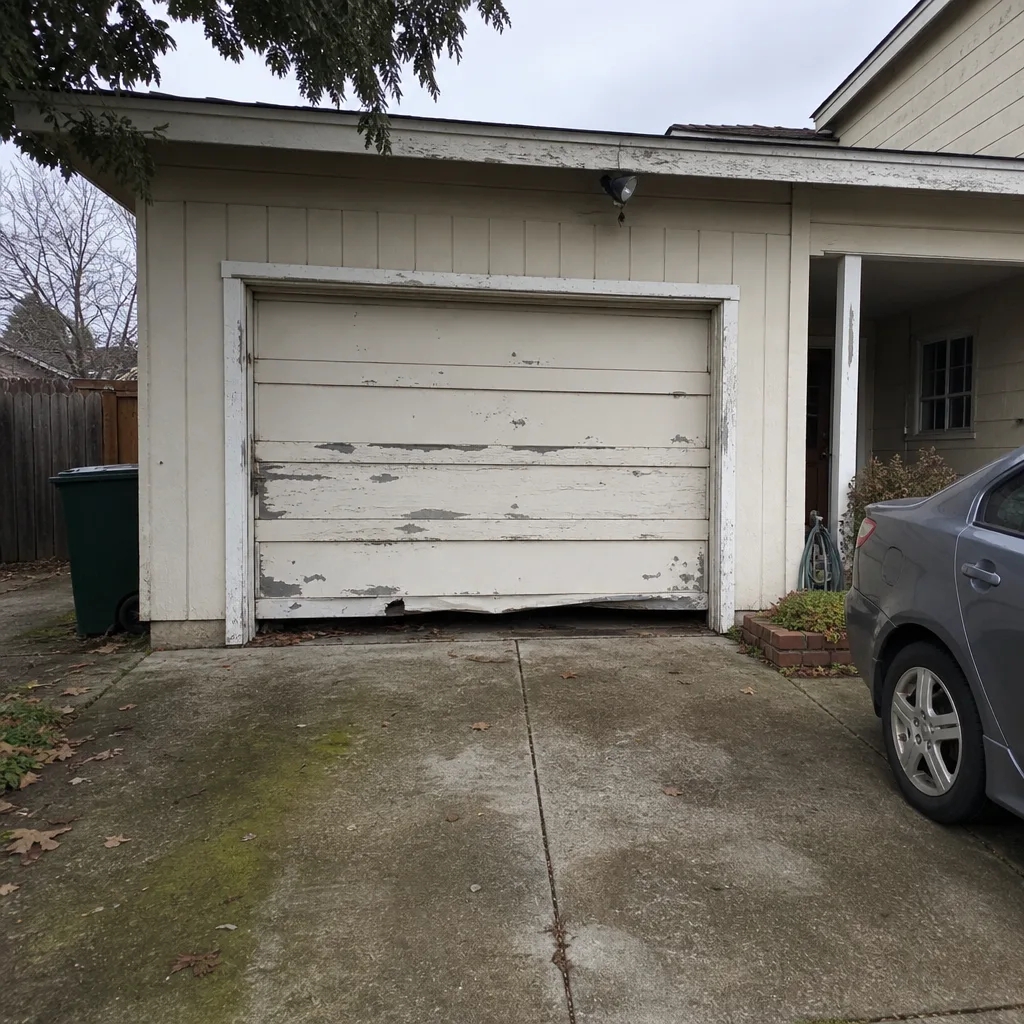 Before
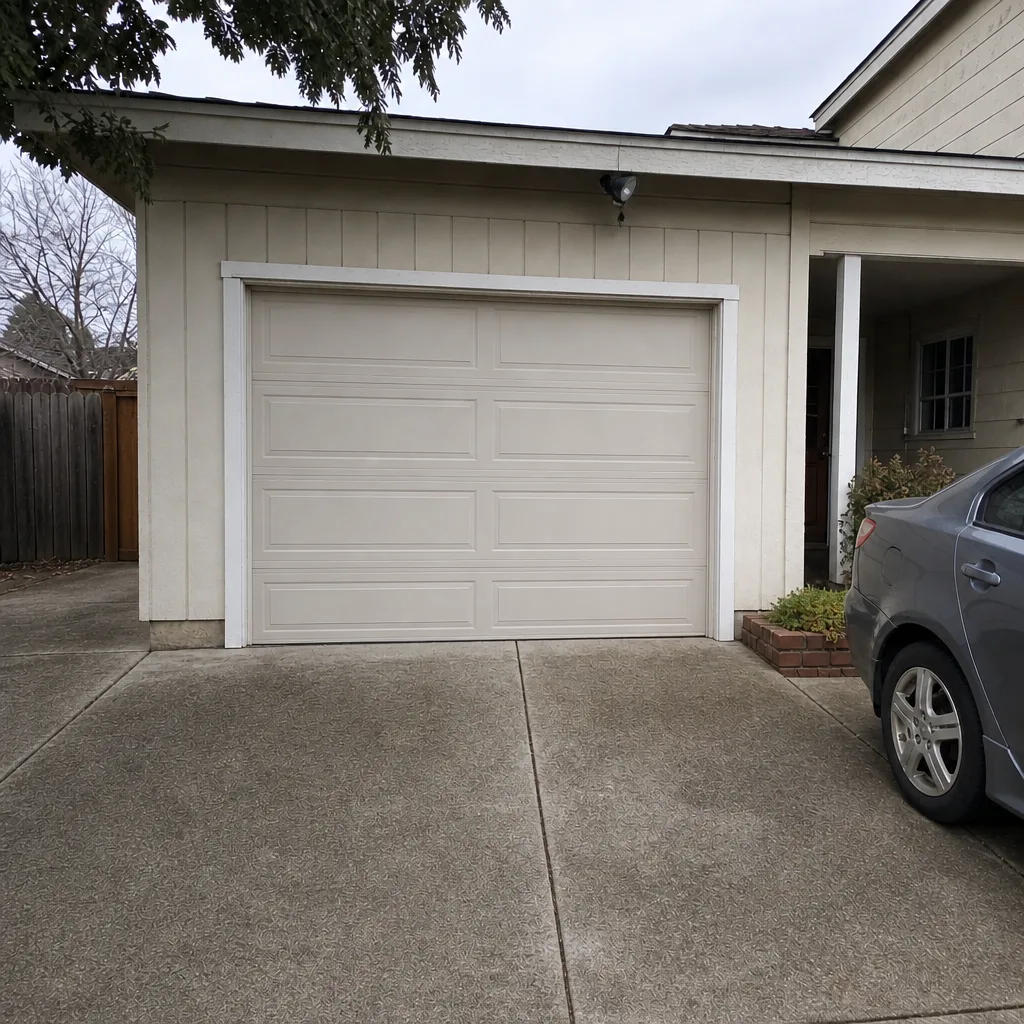 After
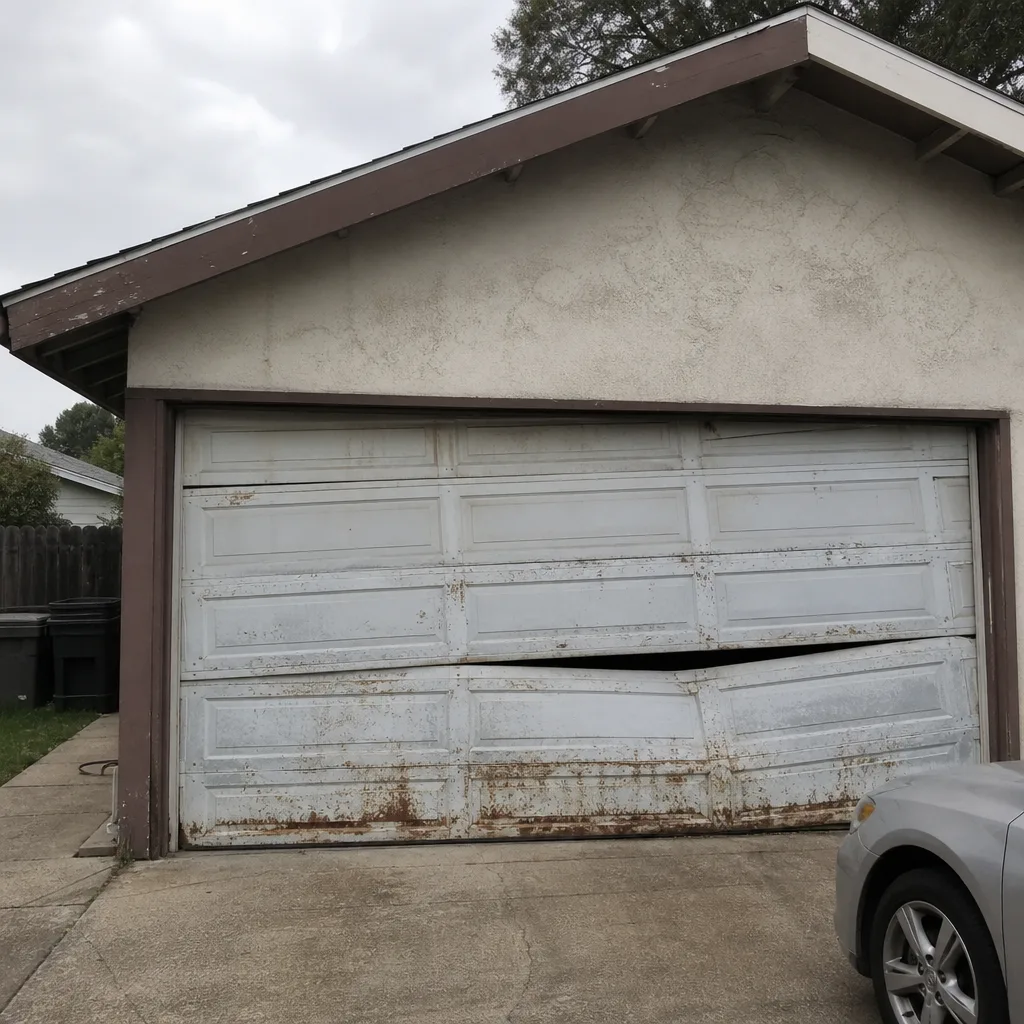 Before
 After
 Before
 After