
Last updated November 15, 2026
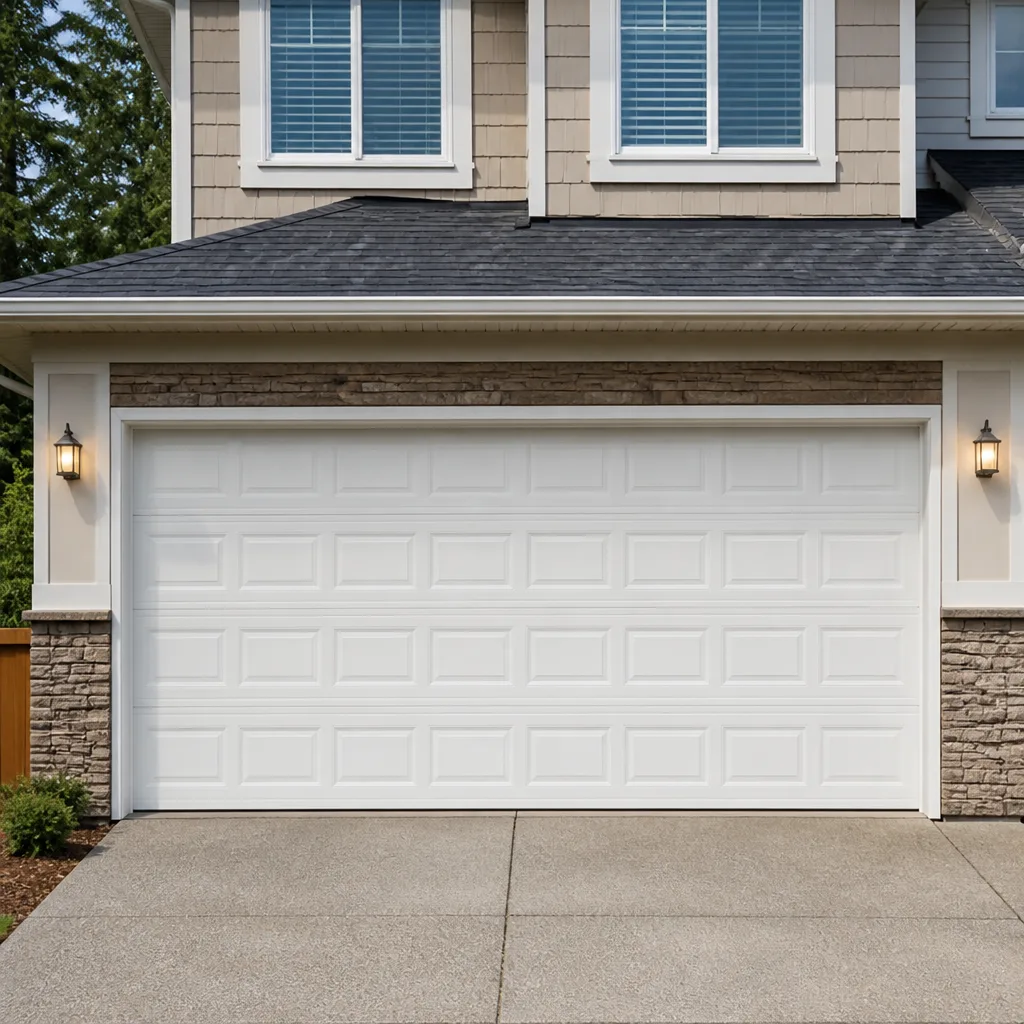 Raised-panel steel
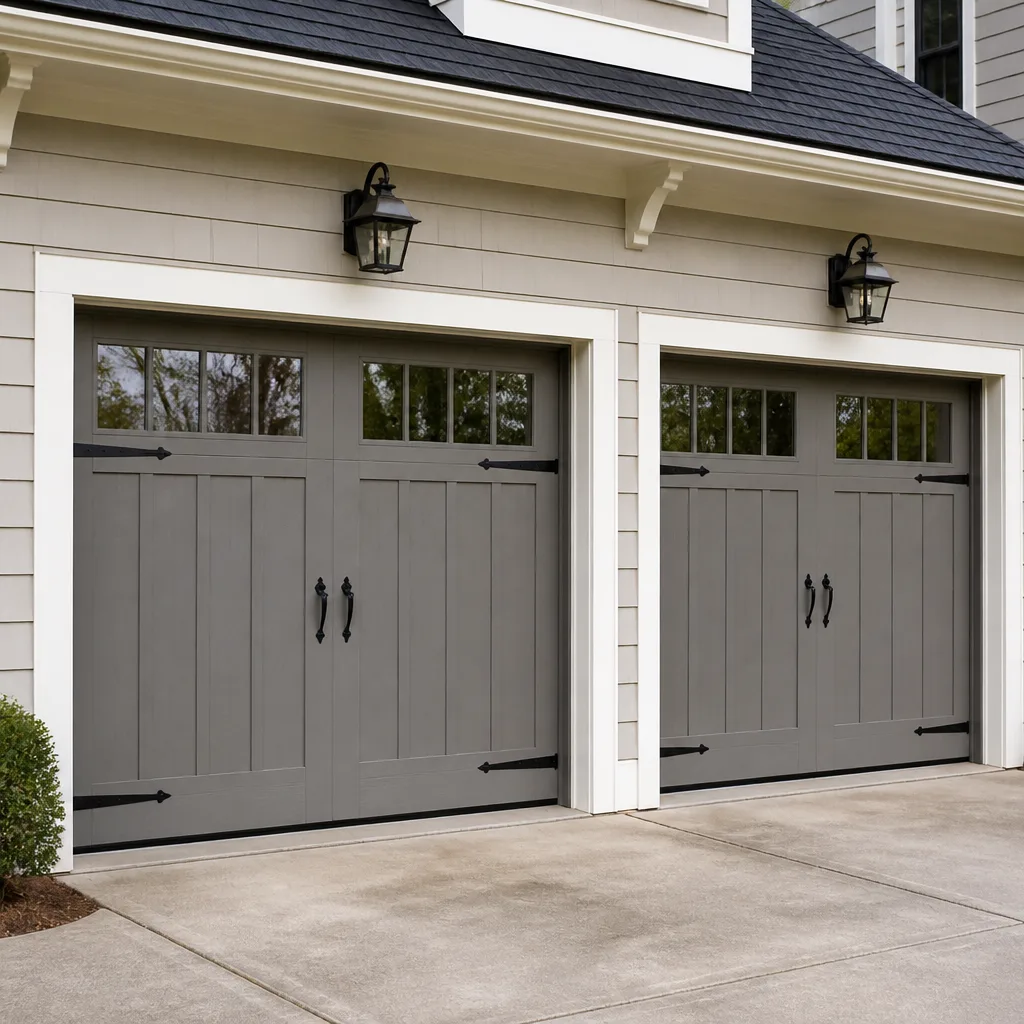 Carriage house
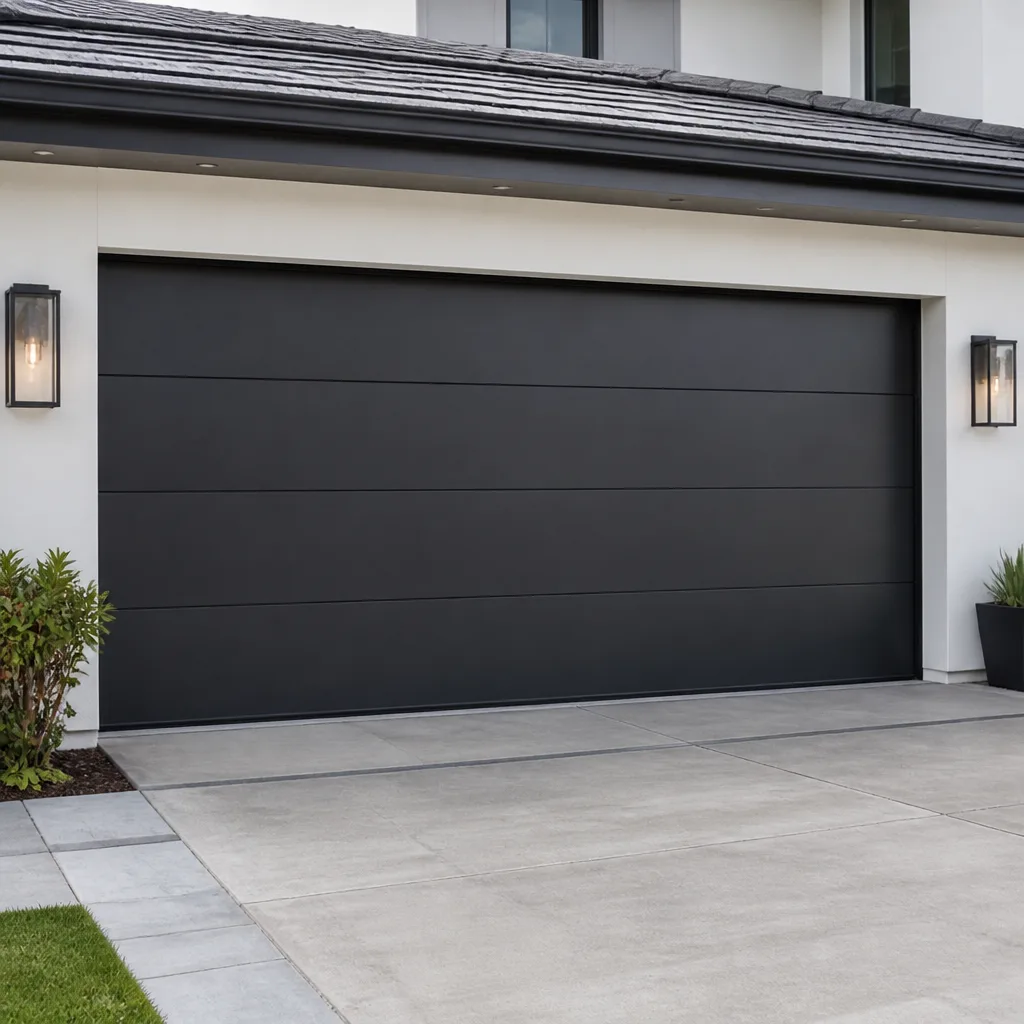 Modern flush
 Full-view glass
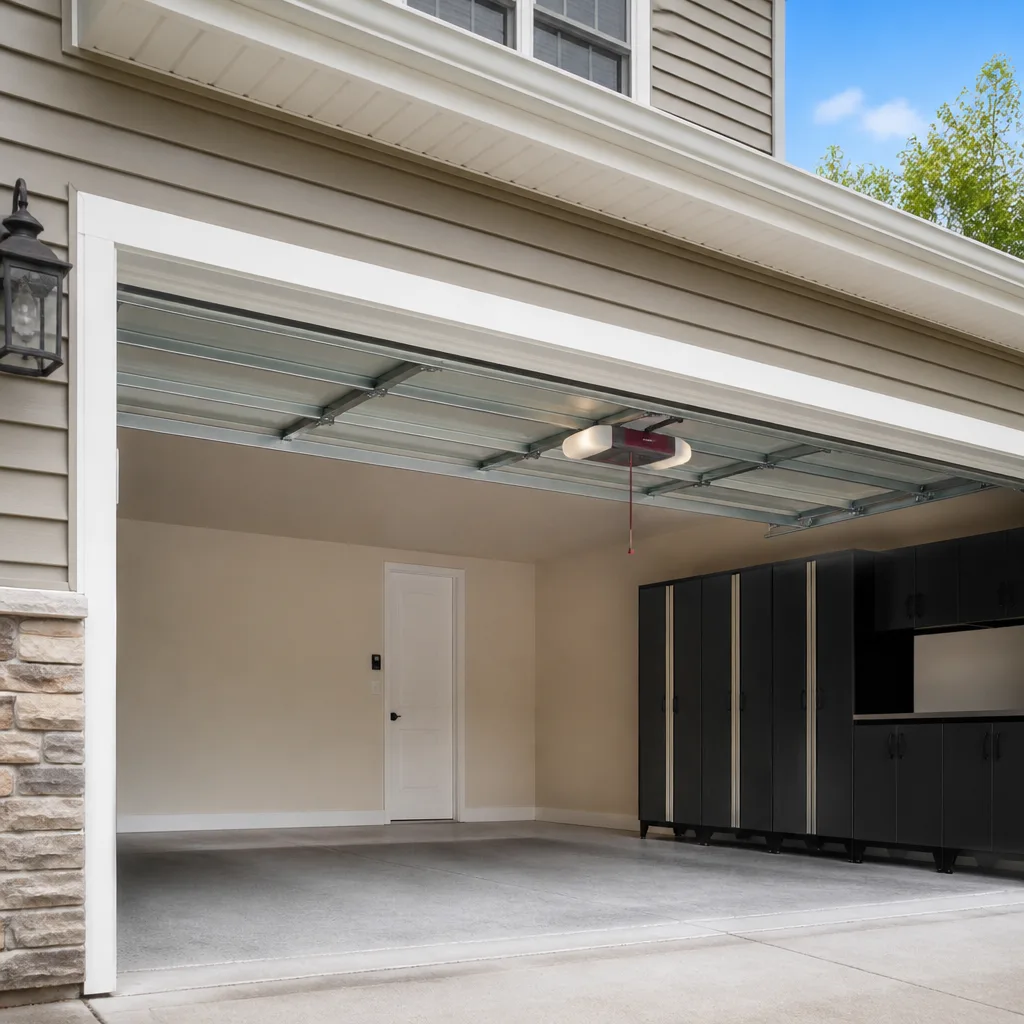 LiftMaster openers
 Chamberlain openers
Full 25-point door and opener safety check with every visit - springs, cables, rollers, tracks, and your LiftMaster or Chamberlain opener included
You get a price before we start. It does not change when the pro arrives.
Get your free estimateGarage Door Repair Maintenance Checklist for Tracy Homeowners
Most garage door problems don’t announce themselves. They start as a small noise, a slight hesitation, a roller that’s been overdue for replacement and nobody checked. By the time the door stops working, what could have been a quick fix has become an urgent repair. The difference between the two is usually a simple maintenance routine that takes a few minutes each month and one thorough annual inspection.
Tracy’s heat and dust are hard on garage door components in specific ways that generic checklists don’t account for. This guide covers what to inspect, how often, which products actually hold up in Central Valley conditions, and when “monitor it” should become “replace it now.” We’ll walk you through the monthly checks you can do yourself, the annual tasks that need a technician, and how to log your service history so you can prove maintenance to a home insurance carrier.
Quick Answer
A garage door maintenance checklist for Tracy homeowners should include monthly visual inspections of rollers, springs, cables, and weather seals; lubrication every three to four months with a silicone-based product that holds up in high heat; and an annual professional inspection to check spring tension, cable condition, and opener calibration. Because Tracy’s summers bring extended heat and dust, components here wear faster than in cooler coastal climates, which is why local inspection intervals need to be tighter than what nationwide checklists recommend.
Styles & brands we work with
- Raised-panel steel
- Carriage house
- Modern flush
- Full-view glass
- LiftMaster openers
- Chamberlain openers
Table of Contents
- Component-Specific Inspection Intervals for Tracy’s Climate
- Which Lubricants Work in Central Valley Heat (and Which Don’t)
- The 60-Second Monthly Check You Can Do Yourself
- Annual Tasks That Require a Technician
- How to Log Service History (and Why It Matters)
- Red-Line Indicators: When to Stop Monitoring and Replace
- Opener Maintenance: The System Homeowners Forget
- Weather Seals and Dust: Protecting the Bottom of Your Door
Component-Specific Inspection Intervals for Tracy’s Climate
Generic maintenance schedules assume moderate temperatures and average dust. Tracy doesn’t fit that profile. Summer heat in the Central Valley accelerates wear on rubber and plastic components, and the dust that blows through the valley works its way into tracks, rollers, and hinges faster than in greener climates. That means the intervals that work for a homeowner in a coastal city are too relaxed for Tracy.
Here’s how we adjust inspection intervals for the specific conditions here:
- Nylon rollers: Inspect every three months. In Tracy’s heat, nylon rollers can develop flat spots and cracks earlier than the manufacturer’s typical lifespan suggests. If a roller spins roughly or shows visible wear, it’s time to replace it. A set of nylon rollers is inexpensive compared to the damage a seized roller causes to your track.
- Steel rollers: Inspect every six months. Steel rollers last longer than nylon in heat, but they’re louder and require more frequent lubrication. If your door sounds like a train coming down the track, the rollers are likely dry.
- Torsion springs: Visual check monthly, professional tension check annually. Springs are under extreme tension and should never be adjusted by a homeowner. In Tracy’s heat, the metal fatigues faster than in cooler climates, and a spring that’s been cycled heavily through a hot summer can fail without much warning.
- Cables: Inspect monthly for fraying, kinks, or slack. Heat and dust combine to weaken cable strands over time. Any visible fraying means the cable needs replacement before it snaps.
- Weather seals: Inspect every six months. Tracy’s dust settles into the rubber seal at the bottom of the door and can cause it to dry out and crack. A cracked seal lets dust, insects, and hot air into your garage.
- Hinges and brackets: Inspect every six months for looseness and wear. Dust accelerates hinge wear, and a loose hinge puts stress on the panel it’s attached to.
These intervals are tighter than what you’ll find on most nationwide checklists, and that’s intentional. The conditions in Tracy warrant more frequent attention, especially during the hotter months. If you’re not sure whether your door’s components are on schedule, a professional inspection will tell you exactly where things stand. Our garage door repair team works on doors throughout Tracy and can assess every component in one visit.
Which Lubricants Work in Central Valley Heat (and Which Don’t)
Lubricant choice matters more in Tracy than in most places. A product that works fine in mild climates can gum up, attract dust, or break down entirely after one Central Valley summer. The wrong lubricant is worse than no lubricant at all, because it collects dust and turns into a gritty paste that accelerates wear.
Here’s what actually holds up in high heat and dusty conditions:
- Silicone-based spray lubricant: The best all-around choice for garage door tracks, rollers, and hinges in Tracy. Silicone doesn’t attract dust the way petroleum-based products do, and it holds up to heat without breaking down. Apply a light coat to rollers, hinges, and the torsion spring (not the track surface itself, which should stay dry).
- White lithium grease: Good for the opener’s rail and drive screw, but use it sparingly. In high heat, excess grease can melt and drip. A thin application is all you need.
- What to avoid: WD-40 as a primary lubricant (it’s a solvent, not a long-term lubricant, and it evaporates quickly in heat), heavy motor oil (it attracts dust and gums up), and any product labeled “all-purpose” that isn’t rated for high temperatures.
Apply lubricant every three to four months in Tracy, and more often during the hottest part of summer if your door gets heavy daily use. Wipe down the track with a dry cloth before lubricating the rollers, since dust buildup on the track surface will work its way into the roller bearings. If your door is a Clopay, Amarr, Wayne Dalton, or Raynor model, the hardware is designed to work with standard silicone lubricants and doesn’t require anything special.
A door that’s properly lubricated runs quieter, puts less strain on the opener, and lasts longer. The cost of a can of silicone spray is negligible compared to replacing worn rollers or an overheated opener motor.
The 60-Second Monthly Check You Can Do Yourself
You don’t need tools or training to catch most early warning signs. A quick monthly walk-around takes about a minute and can catch problems while they’re still small. Here’s the routine:
- Look at the door from inside the garage. Is it straight? Does it sit evenly on the floor? A door that’s visibly crooked or has a gap on one side means the springs or cables need attention.
- Listen to the door as it opens and closes. Grinding, squeaking, popping, or banging sounds are all signals that something needs lubrication or replacement. A well-maintained door should sound smooth and steady.
- Check the rollers by hand. With the door closed, gently wiggle each roller in its hinge. If a roller feels loose, rough, or doesn’t spin freely, it’s worn and due for replacement.
- Look at the cables. Are they straight and taut? Do you see any fraying, kinks, or rust? Cables should look clean and uniform. Any visible damage means it’s time for a professional look.
- Inspect the weather seal at the bottom. Is it intact and flexible? A cracked or flattened seal lets dust and heat into the garage.
- Test the auto-reverse feature. Place a roll of paper towels or a 2×4 flat on the ground under the door and close it. The door should reverse when it contacts the object. If it doesn’t, the opener’s safety system needs adjustment.
This check takes about a minute and catches the most common issues before they escalate. If anything looks off, note it and call for an inspection before it becomes a bigger repair. A worn roller or a dry hinge is easy to fix; a seized roller that damages the track is not. Our garage door opener repair team can also test the opener’s safety systems during a routine visit.
Annual Tasks That Require a Technician
Some maintenance tasks are safe for a homeowner to handle. Others involve components under extreme tension or require specialized tools and knowledge. Springs and cables fall firmly into the second category. A torsion spring is under enough tension to cause serious injury if handled incorrectly, and there’s no safe way to adjust or replace one without proper training and tools.
Here’s what a professional annual inspection covers:
- Spring tension and balance test: A technician checks that the springs are balanced and the door’s weight is evenly distributed. An unbalanced door puts extra strain on the opener and wears out components faster.
- Cable inspection and tension adjustment: Cables are checked for fraying, rust, and proper tension. A loose cable can cause the door to come off track; a frayed cable can snap.
- Roller and hinge assessment: A technician checks every roller and hinge for wear, replaces any that are past their useful life, and lubricates the system with the right products.
- Opener calibration: The opener’s force settings and travel limits are checked and adjusted. An opener that’s working too hard can burn out its motor or damage the door.
- Track alignment: Tracks are checked for bends, misalignment, and debris buildup. A track that’s out of alignment causes the door to bind and wear out rollers faster.
- Safety sensor test: The photo-eye sensors at the bottom of the track are tested to confirm they’ll stop the door if something crosses their path.
An annual inspection takes about an hour and catches the problems that a visual check can’t. It’s also the best time to ask questions about your specific door and opener setup. If you’ve been putting off a professional look, our team at Tracy Garage Door Service offers free estimates and can schedule an inspection around your needs.
How to Log Service History (and Why It Matters)
A service log is one of the simplest maintenance habits you can build, and it pays off in two ways: it helps a technician diagnose problems faster, and it gives you documentation if you ever need to file an insurance claim or sell your home.
Here’s what to record in your log:
- Date of each service visit and what was done (rollers replaced, springs adjusted, opener calibrated).
- Part numbers and brands for anything replaced. Knowing your door is a Raynor or your opener is a LiftMaster helps a technician bring the right parts and understand the system before arriving.
- Any symptoms you noticed before the service, even if they seemed minor. A note like “door hesitates at the halfway point” is useful diagnostic information.
- Annual inspection results and any recommended follow-up work.
- Lubrication dates so you stay on schedule.
Why does this matter for insurance? Some homeowners’ policies offer credits for documented maintenance, and if you ever need to file a claim for damage to your garage or door, a service log shows you’ve been maintaining the system. It’s not a guarantee of coverage, but it’s useful evidence. The same log helps when you sell your home, since a well-maintained garage door is a point in your favor with buyers and inspectors.
Keep your log in the garage, on your phone, or wherever you’ll actually use it. The format doesn’t matter; consistency does.
Red-Line Indicators: When to Stop Monitoring and Replace
Knowing when “monitor it” becomes “replace it now” is the difference between a small repair and an expensive one. Here are the specific red-line indicators for each component:
- Rollers: Replace when you see flat spots, cracks, or a roller that doesn’t spin freely. If the roller has visible wear on the bearing surface, it’s already damaging the track.
- Torsion springs: Replace when the door feels heavy to lift manually (with the opener disconnected), when you see a visible gap in the spring coil, or when the spring has been in service long enough that a technician recommends replacement as preventive maintenance. Never wait for a spring to break; a broken spring can drop the door suddenly and is dangerous.
- Cables: Replace any cable that shows fraying, kinks, rust, or slack. A cable that’s lost tension is a cable that’s about to fail. This is not a component to monitor past the first sign of damage.
- Weather seals: Replace when the seal is cracked, brittle, or no longer making contact with the floor. A seal that’s lost its flexibility isn’t doing its job.
- Hinges: Replace when a hinge is loose, bent, or has elongated screw holes. A loose hinge puts stress on the panel and can lead to panel damage.
- Opener: Replace when the motor strains audibly during operation, when the opener is old enough that parts are hard to source, or when it’s causing repeated problems that repairs can’t resolve. We work on LiftMaster, Chamberlain, Genie, and Craftsman openers and can tell you whether repair or replacement makes more sense.
A general rule: if a component is making noise, moving roughly, or showing visible damage, it’s past the monitoring stage. Replace it before it takes other components with it.
Opener Maintenance: The System Homeowners Forget
Your opener and your door are two different systems, and they fail for different reasons. Most homeowners focus on the door and ignore the opener until it stops working. That’s a mistake, because opener problems often start small and get expensive.
Here’s what to check on your opener:
- Force settings: The opener should be able to lift the door smoothly without straining. If the motor sounds like it’s working hard, the force setting may be too high or too low, or the door’s springs may be out of balance.
- Travel limits: The opener should stop the door at the correct open and close positions. If the door doesn’t fully close or opens too far, the travel limits need adjustment.
- Safety sensors: The photo-eye sensors at the bottom of the track should be aligned and clean. Dust on the sensor lenses is a common cause of “door won’t close” problems in Tracy.
- Battery backup: If your opener has a battery backup, test it periodically. A dead backup battery won’t help you when the power goes out.
- Chain or belt tension: A loose chain or belt causes noise and strain. A professional can check and adjust tension during an annual visit.
We work on openers from LiftMaster, Chamberlain, Genie, and Craftsman, and we can diagnose opener problems independently of door problems. If your door won’t open, the issue could be the opener, the springs, the cables, or the track, and knowing which system is failing saves time and money.
Weather Seals and Dust: Protecting the Bottom of Your Door
Weather seals do more than keep rain out. In Tracy, the bottom seal is your first line of defense against dust, insects, and hot air. A damaged seal lets all of it into your garage, and it also puts extra strain on your door’s bottom panel.
Inspect your seal every six months. Look for cracks, brittleness, flattening, or gaps between the seal and the floor. A seal that’s lost its flexibility can’t make a proper contact, and that means dust is getting in. Replacing a bottom seal is a straightforward job, and it’s one of the cheaper maintenance items on this list.
While you’re inspecting the seal, check the bottom panel of the door for rust or damage. A damaged bottom panel can let water and dust into the door’s internal structure, which leads to bigger problems down the road. If the panel is damaged, it’s worth having a professional assess whether it can be repaired or needs replacement.
For doors from Clopay, Amarr, Wayne Dalton, or Raynor, replacement seals are readily available and the installation is straightforward. This is also a good time to check the threshold and the sides of the door for gaps that let dust in.
Common Mistakes to Avoid
- Using WD-40 as a lubricant. It’s a solvent, not a long-term lubricant, and it evaporates quickly in Tracy’s heat. Use silicone spray instead.
- Ignoring a noisy door. Noise is the earliest warning sign. A squeak today is a worn roller or dry hinge tomorrow, and a seized roller next month.
- Assuming the opener is the problem. A door that won’t open could have a broken spring, a snapped cable, or a misaligned track. Diagnosing the wrong system wastes money.
- Skipping lubrication during hot months. Tracy’s summers are hard on moving parts. Lubricating every three to four months, and more often during the hottest stretches, keeps things running smoothly.
- Never checking the safety sensors. Dust on the sensor lenses is a common cause of a door that won’t close. A quick wipe with a dry cloth prevents it.
- Trying to adjust springs or cables yourself. These components are under extreme tension. A mistake can cause serious injury, and there’s no safe way to handle them without training and proper tools. Leave this to a professional.
- Not keeping a service log. Without a record, you can’t prove maintenance to an insurer, and a technician can’t see what’s been done before. A simple log solves both problems.
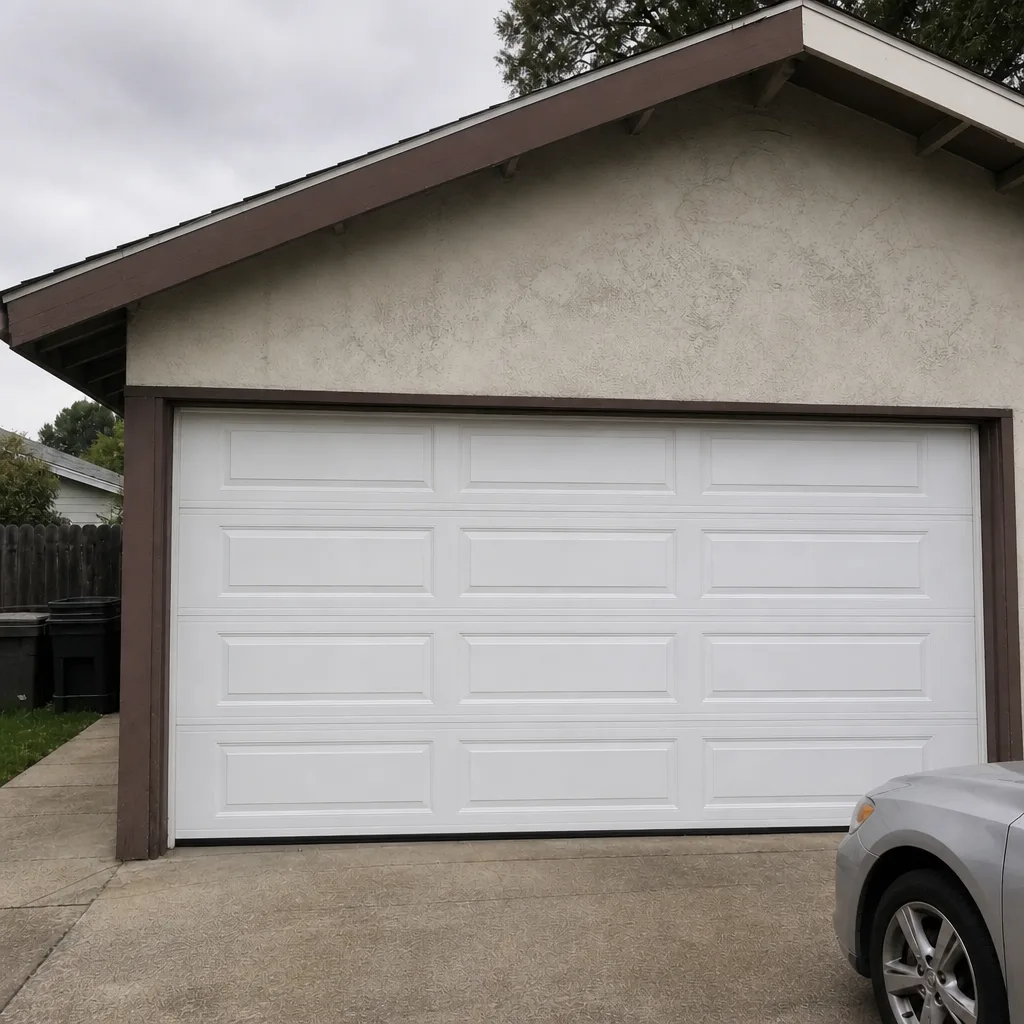
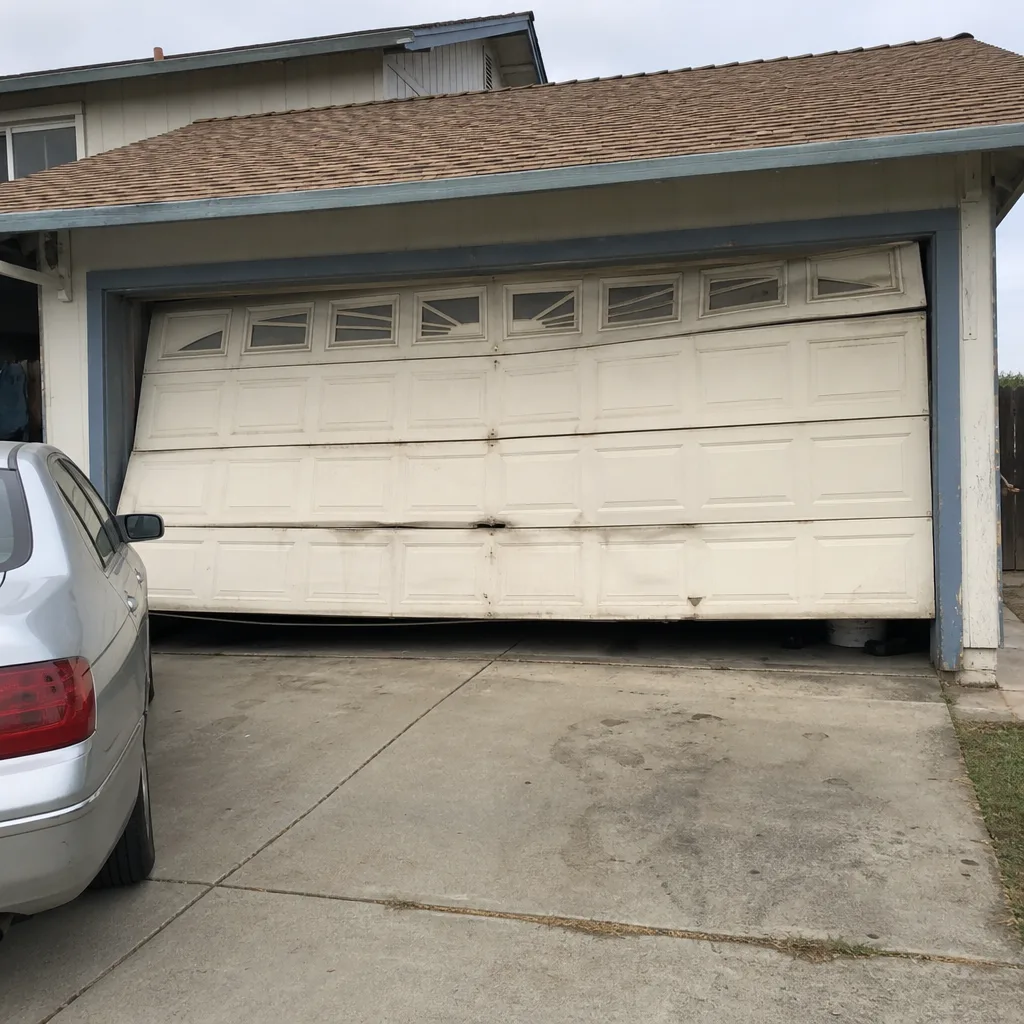
See the difference
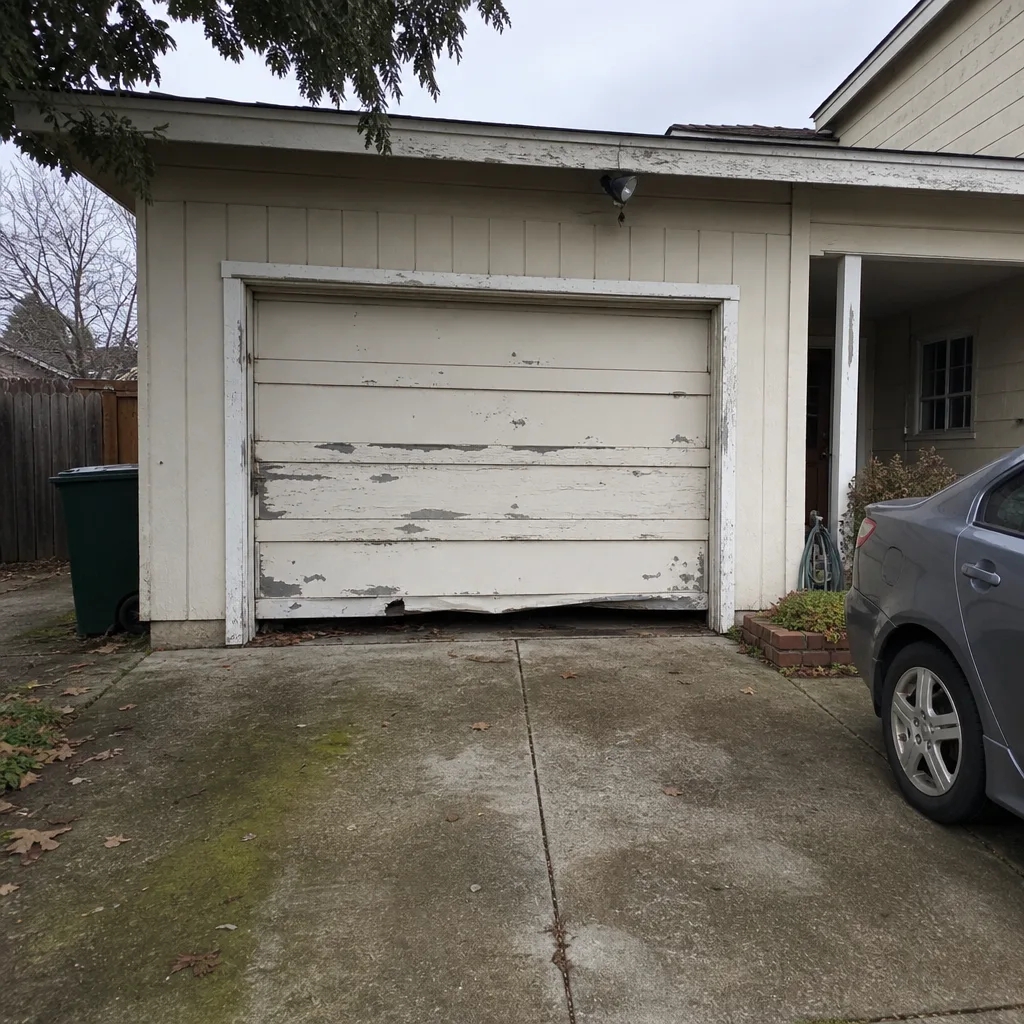 Before
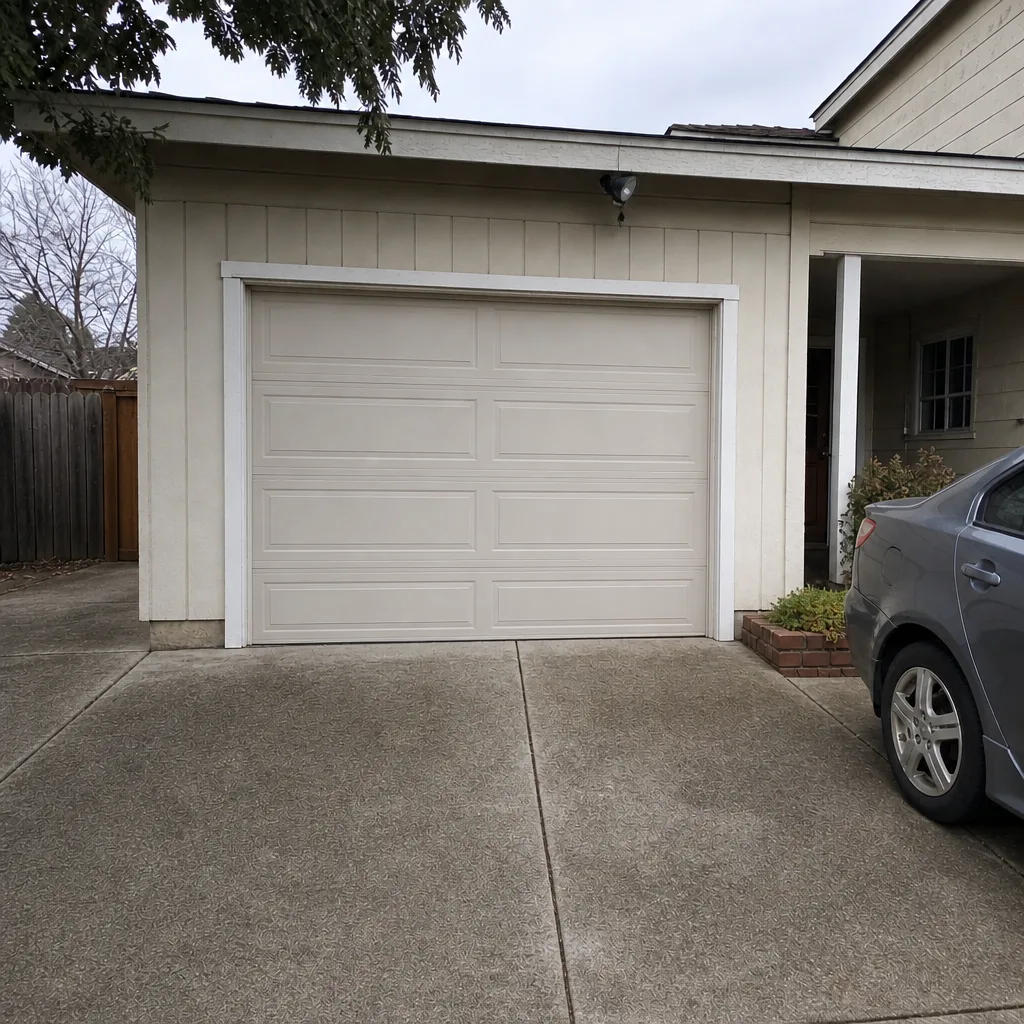 After
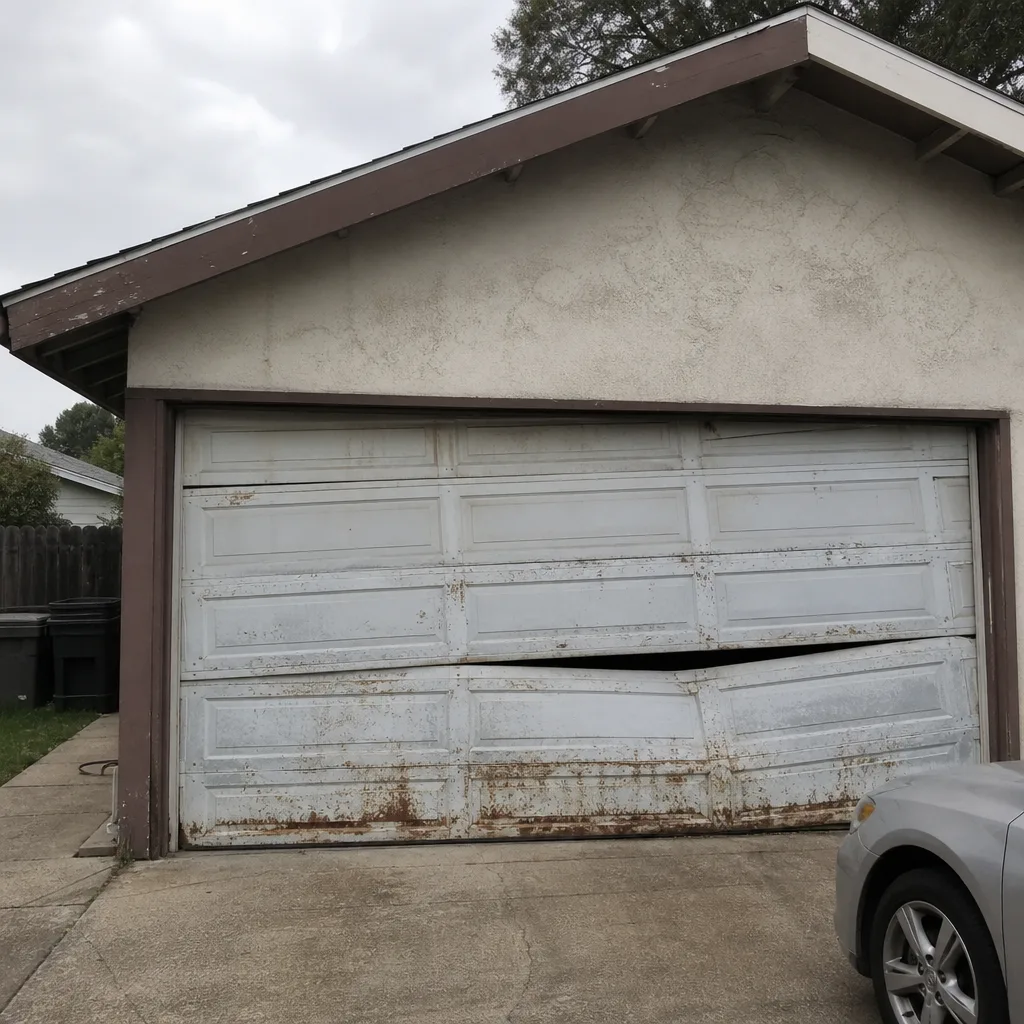 Before
 After
 Before
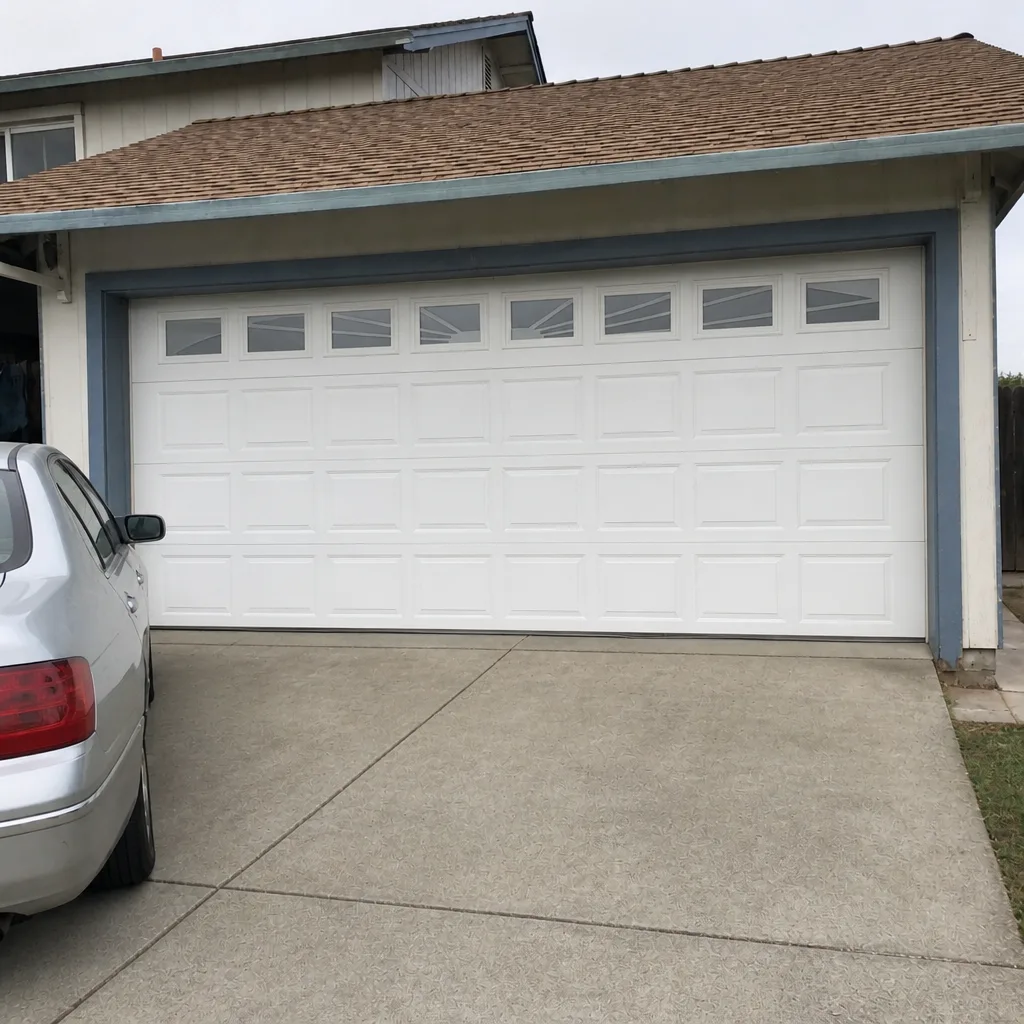 After
When to Call a Professional
Call a professional when you see frayed cables, a visible gap in a spring coil, a door that’s visibly crooked, or a door that won’t open or close. Call when the opener strains, when the door reverses for no reason, or when you hear a sound that wasn’t there before. Call before a small issue becomes a big repair.
Tracy Garage Door Service offers free estimates in Tracy. We work on doors and openers from LiftMaster, Chamberlain, Genie, Clopay, Amarr, Wayne Dalton, Craftsman, and Raynor, and our technicians have up to 14 years of experience. Call (855) 473-8941. We answer 24/7. Fast dispatch from 7am to 7pm, Sunday through Friday. We’re closed Saturday.
Frequently Asked Questions
Once a year for most homes, and every six months if your door gets heavy daily use or you’ve noticed any new noises. Tracy’s heat and dust accelerate wear on springs, rollers, and cables, so a tight annual schedule is better than a loose one. Call (855) 473-8941 for a free estimate.
Yes, lubricating rollers, hinges, and springs is a safe DIY task. Use a silicone-based spray, not WD-40 or motor oil, and apply it every three to four months. Never attempt to adjust or replace springs or cables yourself; those require a professional.
A misaligned or dusty safety sensor is the most common cause. Check that the photo-eye sensors on each side of the track are aligned and clean. If the sensors are fine and the door still won’t close, the opener’s travel limits or a damaged spring may be the cause. Call (855) 473-8941 for a diagnosis.
We’re closed Saturday and open Sunday through Friday, 7am to 7pm. We answer the phone 24/7, and a call outside dispatch hours is booked into the next opening, Sunday through Friday, 7am to 7pm.
A door that feels heavy to lift manually (with the opener disconnected) or a spring with a visible gap in the coil is due for replacement. Never wait for a spring to break; a broken spring can drop the door suddenly and is dangerous. Call us for a free estimate.
Some homeowners’ policies offer credits for documented maintenance, and a service log can be useful if you file a claim. Keep a record of service dates, parts replaced, and inspection results to have the documentation ready. Call (855) 473-8941 if you need help starting a maintenance log.
The Bottom Line
A garage door maintenance checklist isn’t complicated. A 60-second monthly check, lubrication every three to four months with the right product, and an annual professional inspection cover most of what matters. In Tracy, the intervals need to be tighter because of heat and dust, and the red-line indicators are the ones worth memorizing. Keep a service log, avoid the common mistakes, and call a professional when something looks wrong. The goal is to catch small problems before they become big ones, and that’s exactly what a consistent maintenance routine does. Tracy Garage Door Service is here to help when you need us.
Written by the team at Tracy Garage Door Service.