
Last updated November 15, 2026
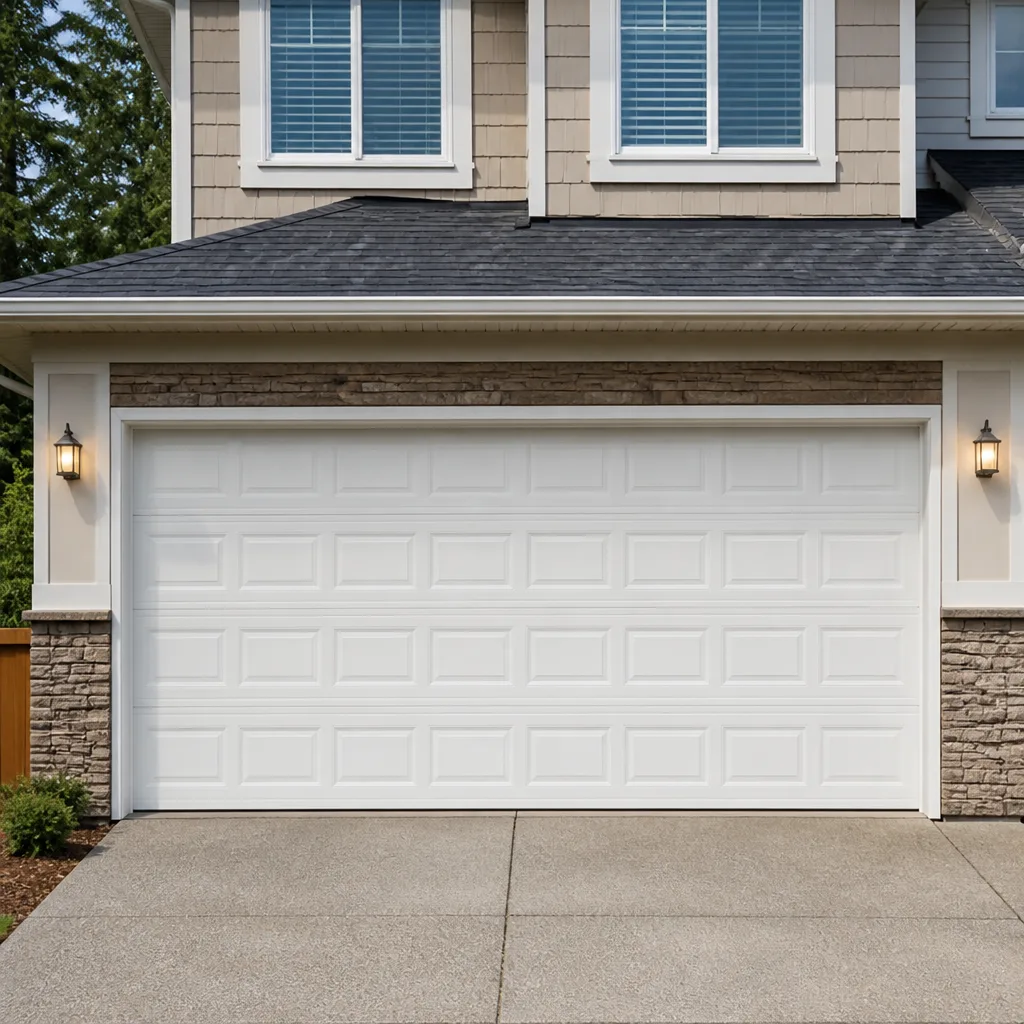 Raised-panel steel
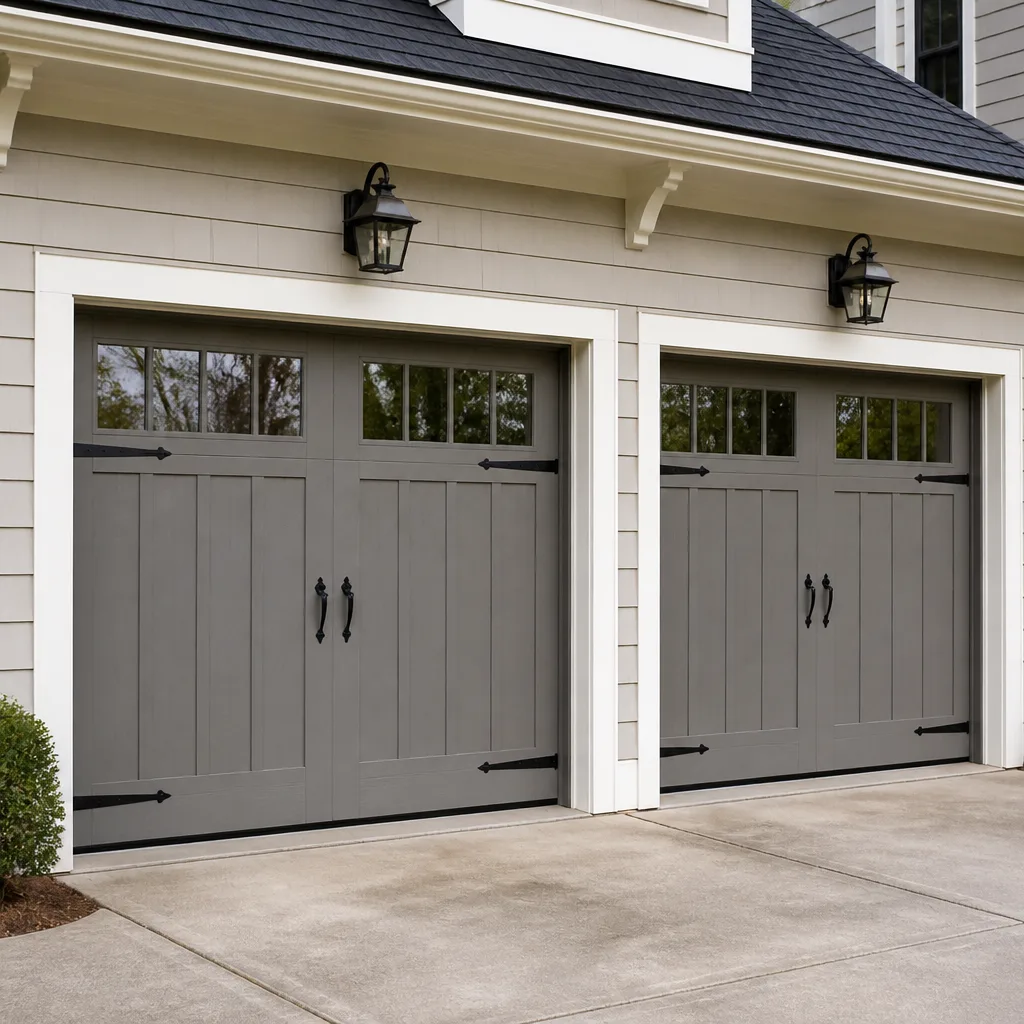 Carriage house
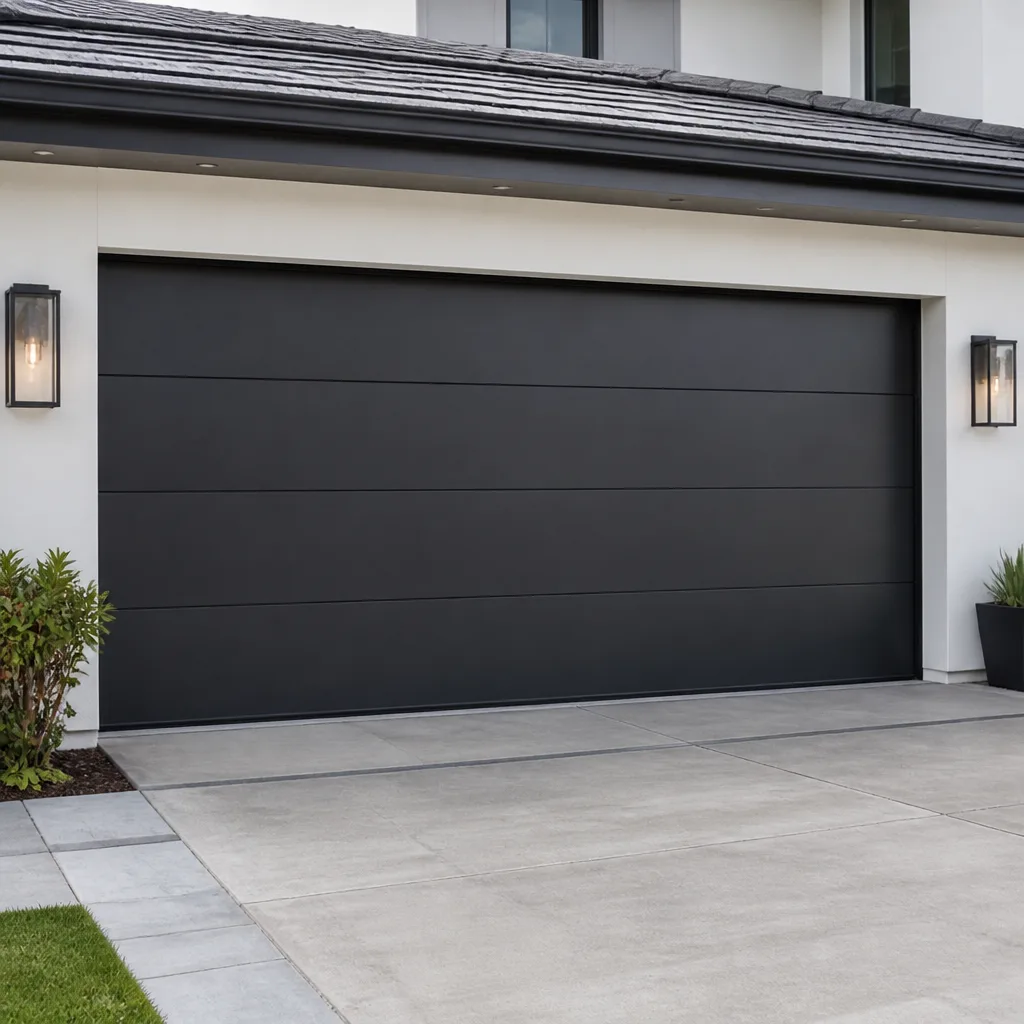 Modern flush
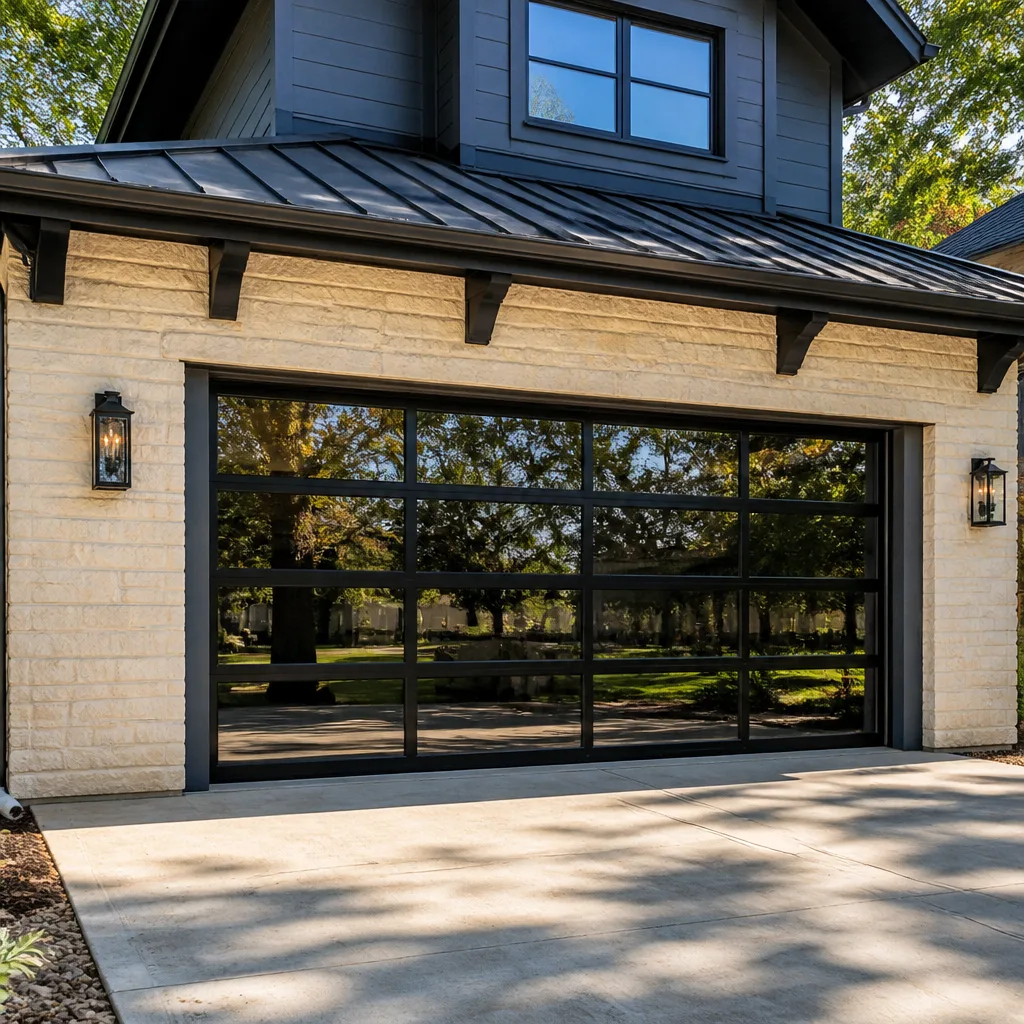 Full-view glass
 LiftMaster openers
 Chamberlain openers
Full 25-point door and opener safety check with every visit - springs, cables, rollers, tracks, and your LiftMaster or Chamberlain opener included
You get a price before we start. It does not change when the pro arrives.
Get your free estimateSeasonal Garage Door Care for Tracy: Year-Round Homeowner’s Guide
Most garage door maintenance advice you’ll find online was written for a place with four even seasons, which Tracy is not. Here, the year runs on a different rhythm: a long, punishing summer, a damp winter window, and two mild shoulder periods in between. Each one stresses a different part of your door system, and each one calls for different care. A spring check matters less in July than a seal check does, and a weatherstrip inspection in January tells you almost nothing you need to know by September. This guide maps the tasks to Tracy’s actual climate calendar. You’ll learn what to inspect and when, what you can handle in about 20 minutes at each seasonal checkpoint, and the one annual job that belongs in the hands of a trained technician.
Quick Answer
Seasonal garage door care in Tracy works best on a four-checkpoint calendar: a pre-summer inspection in May before the heat peaks, a fall and monsoon-edge check in September and October before the wet weather arrives, a winter inspection focused on rust and swelling while the damp sits in, and a spring reset in March before the heat cycle starts again. At each checkpoint, homeowners can manage basic visual checks and light lubrication in about 20 minutes, while worn springs, cable tension, and track alignment should be handled by a trained technician.
Styles & brands we work with
- Raised-panel steel
- Carriage house
- Modern flush
- Full-view glass
- LiftMaster openers
- Chamberlain openers
Table of Contents
- Why Tracy’s Climate Calendar Isn’t a Standard Four-Season Schedule
- Pre-Summer Prep in May: Before the Heat Peaks
- Monsoon-Edge and Fall Prep: September and October
- Winter in the Central Valley: Damp, Not Freezing
- Spring Reset in March: Post-Winter Inspection Priorities
- The 20-Minute Homeowner Check vs. the Annual Technician Visit
- The Full-Year Calendar at a Glance
- What Tracy Neighborhoods Tell You About Your Door’s Stress
Why Tracy’s Climate Calendar Isn’t a Standard Four-Season Schedule
Tracy averages 37 days above 100°F each year. That’s not a statistic to shrug off. It’s enough sustained heat to embrittle weather seals, expand metal tracks out of alignment, and cook the lubricant out of rollers, all before September rolls around. If you grew up someplace with a real winter, the instinct is to worry about cold. Here the heat does more slow damage to a garage door than the cold ever will.
That’s the core idea behind this guide. The generic advice to “winterize your garage door” doesn’t fit a place where the coldest nights are mild. What fits is a calendar that takes the summer seriously, treats the wet months as a rust and swelling season rather than a freezing season, and uses the two mild shoulder periods as prep and recovery windows. The Central Valley’s version of a wet season is short and concentrated, and the transition periods between the hot and damp halves of the year are where the most useful inspections happen.
We’ve spent years working on doors across Tracy Garage Door Service service calls of every kind, and the pattern is consistent. Doors that get a light seasonal touch-up at each checkpoint last longer between service visits than doors that get attention only when something breaks. A door that’s failing is usually telling you something a month or two before it fails outright. The garage door systems we see fail at the worst moment are the ones where the warning signs got ignored during a mild season when nothing seemed urgent.
One more point before the calendar: your door panel and your opener are two different systems. The steel and the hardware age on the climate schedule below. The motor, the drive, and the electronics age on their own clock, mostly tied to use and load. This guide covers the door side. If your opener is the thing acting strange, that’s a separate diagnosis, and the two often fail for different reasons.
Pre-Summer Prep in May: Before the Heat Peaks
May is your window to get ahead of the heat. Once those first 100°F stretches hit, the door is working against expanded metal, stiffer grease, and seals that soften in the sun. Everything you can check and treat in May is one less thing the summer can break.
What to check first:
- Weather seals and bottom astragal. Run a hand along the bottom seal and the side weatherstrip. Look for cracks, hard spots, and places where the rubber has lost its spring. Sun exposure hardens seals faster than anything else, and once a seal stiffens, it stops sealing and starts dragging.
- Roller condition. Rollers should spin freely by hand. Grinding, flat spots, or a roller that won’t turn means the bearing is worn. Steel rollers with dried bearings are a common May find before the heat finishes them off.
- Track alignment. Look down the length of each vertical track from the floor up. Metal expands in heat, and a track that’s slightly out can bind once the door panels swell a fraction. A gap or a bow you can see with your eye is worth a professional look.
- Hinge screws. Loose hinge screws show up more in summer because the metal around them expands and contracts. A quick tighten with a screwdriver is a 20-minute task.
- Lubrication. A light application of a garage-door-rated lubricant on the hinges, rollers, and spring coils helps everything move without grinding during the hot months. Don’t overdo it; excess grease attracts dust that turns into a paste.
Panels made by Clopay and Amarr hold up well in this climate, but no steel panel is immune to heat expansion, and even a well-built door will complain if its hardware is neglected through the summer. The brands matter less than the annual attention. What you can handle yourself in May is a visual inspection, a light grease, and a screwdriver pass. What you can’t safely handle is spring tension or a cable under load, and we get to that in the annual technician section below.
Monsoon-Edge and Fall Prep: September and October
September and October are the transition. The worst of the summer heat is fading, and the occasional heavy rain event starts arriving. That combination is where water intrusion and heat-cracked seals show up as one problem. A bottom seal that baked all summer is more likely to let water past when the first real rain hits. The rain doesn’t have to be extreme; a hard afternoon storm on a seal that’s already failed will get water onto the garage floor.
The fall checkpoint is mostly about the perimeter:
- Check the bottom seal for gaps at the floor. With the door closed, look along the entire floor line for daylight or a visible gap. Water finds the smallest opening.
- Inspect the threshold and whether water drains away from the door. A small grade issue outside the door matters more in the wet months than at any other time. Clear debris and confirm the door sits dry.
- Examine the side and top weatherstrip. Look for tears, gaps at corners, and places where the seal has pulled away from the frame.
- Look for rust bloom at the panel seams and hinges. Small orange spots are early corrosion. Scuffing and touch-up paint are a homeowner task; a hinge that’s seized is not.
- Test the door balance by hand. Disconnect the opener and lift the door halfway. It should stay put with minimal effort. If it wants to fall or rise on its own, the springs are out of balance, and that’s a technician call.
This is also when we see opener issues surface. A wet season stresses the drive system differently than summer heat does, and a Genie or LiftMaster unit that ran fine all summer can start reversing unexpectedly once the door gets harder to move because of a stiffer seal or a tight track. If your opener starts behaving oddly in October, look at the door first. The opener may be telling you the door needs service, not that the motor is failing.
Winter in the Central Valley: Damp, Not Freezing
There’s a common misconception that a mild winter means there’s nothing to worry about. The reality in Tracy is that winter is a rust and swelling season, not a freeze season. The air holds moisture for weeks, and the garage, which is often cooler than the house, becomes the dampest room on the property. Different problem, same need for attention.
What the damp does to a garage door:
- Rust on hinges, screws, and track hardware. The exposed steel parts rust first. The friction points rust fastest. A hinge that bristled all summer will start to squeal by January.
- Swelling in wood components and door framing. Wood door frames and jamb material swell in damp air, and a door that fit snug in October can start scraping the frame in December.
- Weatherstrip that loses its compression. Rubber seals can get stiff in the cooler damp, especially older ones. A seal that no longer presses against the door lets air and moisture in.
- Track and roller friction. Cold metal and cold grease make a door move harder. That extra resistance is exactly what strains an opener motor.
- Condensation on the door panels. On some morning you’ll find the inside of the panel wet. That’s a sign of humidity on the wrong side of the seal.
The winter homeowner task is simple: wipe down visible rust bloom, keep the bottom seal clear of debris, and listen to the door. Squeaks and groans are diagnostic. They tell you where friction is building. A light re-lube on the moving metal parts helps, and a quick check that the safety sensors on the opener are clean and aligned keeps the safety system working through the wet months. If your door has wood components, look for swelling at the bottom edges and any paint failure where moisture has gotten under the coating. A Wayne Dalton door with a wood-composite frame can swell enough to bind if the seal around the frame has failed.
Winter is when we most often get called about a door that “suddenly started scraping.” In most cases the door hasn’t changed. The frame around it has swollen, or the bottom seal has lost its clearance. That’s worth a look before the problem worsens, and it’s an easy one to catch early.
Spring Reset in March: Post-Winter Inspection Priorities
March is the recovery checkpoint. The damp is fading, the heat is coming, and this is your last good window to catch winter damage before the summer stress cycle starts. A door that made it through winter with a rusted hinge or a swollen frame will fail under summer heat and load if you skip March.
Post-winter inspection priorities, in order:
- Corrosion check on every metal part that moved. Hinges, rollers, track, and spring coils. If you see rust, treat it now before the heat makes it worse.
- Re-lubricate all moving parts after cleaning off the winter grit. Dust and grit accumulate over the wet months. A clean surface and fresh lubricant on the friction points make a real difference.
- Check the door balance again by hand. Winter stress can leave a spring closer to failure than it was in the fall. A balance check is one of the most useful things you can do at the March checkpoint.
- Inspect the bottom seal and the threshold. Winter moisture is the number one enemy of the gasket. Look for splits, hardening, and loss of contact with the floor.
- Test the opener’s safety reverse. With the door set to close, put a solid object in its path and confirm it reverses. If the safety system doesn’t respond, stop using the opener and call for service.
- Look at the panel finish for heat damage. Small dents, scratch lines, and paint failures from the previous summer can widen. A scratched panel is where corrosion starts.
March is also when we get a large share of requests for garage door opener repair. The pattern makes sense. A motor that labored through the winter damp is often already stressed when the first hot week forces the door to expand and tighten. If your opener is running louder than usual or reversing without a reason, get it looked at now rather than in July.
The 20-Minute Homeowner Check vs. the Annual Technician Visit
Here’s the line, stated plainly. You can handle visual inspection, cleaning, light lubrication, screwdriver tightening, and the safety reverse test. You should not handle anything involving spring tension, cable tension, or track adjustment, because those involve stored energy that can injure you badly if something lets go. Understanding the difference is the single most useful thing in this guide.
The 20-minute homeowner check (any seasonal checkpoint):
- Look along tracks for bends or gaps.
- Wipe rust from exposed hardware with a rag and a light cleaner.
- Lightly lubricate hinges, rollers, and spring coils.
- Test the opener’s safety reverse with a solid object.
- Tighten any loose hinge or bracket screws you can reach by hand with a screwdriver.
- Clear debris from the bottom seal and the threshold.
- Listen to the door and note any new sound. Write it down if it changes week to week.
The annual technician visit:
- Spring tension and cable inspection. This is the part that matters most and the part you should never attempt.
- Track alignment and roller replacement if bearings are worn.
- Full balance and travel adjustment of the opener.
- Seal and weatherstrip assessment with replacement if worn.
- Hardware inspection for hairline cracks or fasteners backing out.
Once a year, ideally in that March-to-May window, get a trained technician out to handle the parts that require real tools and real experience. If your system is a Clopay, Amarr, or Wayne Dalton door, or if your opener is a Genie or LiftMaster unit, the same general schedule applies. The brand doesn’t change the calendar, but it does change the specific parts we look at.
The Full-Year Calendar at a Glance
The whole schedule fits on one page. Here’s how it lines up by month, what’s happening to the door, and what to do.
- March (spring reset): Corrosion check, refresh lubricant, balance test, seal inspection, opener safety test. Catch winter damage before summer stress.
- May (pre-summer): Seal condition, roller condition, track alignment, hinge tightening, full lubrication. Prepare for the heat.
- June through August (peak heat): Minimal homeowner work. Watch for hard-opening symptoms, listen for new noise. Schedule a technician visit now if anything surfaced in spring.
- September (monsoon edge): Bottom seal and threshold check, side and top weatherstrip, door balance test, water drainage around the door.
- October (fall prep): Final perimeter seal check, rust bloom touch-up, opener behavior test. Set up for the wet season.
- November through February (wet season): Wipe rust, keep seals clean, listen for new friction sounds, watch for swelling at the frame. Simple checks only.
The one employer of the calendar: the technician visit, ideally in March or May. Everything else on the list is something you can do in a quarter hour with a screwdriver, a rag, and a tube of garage-door-rated lubricant.
What Tracy Neighborhoods Tell You About Your Door’s Stress
Where you live within Tracy changes the details. Older homes near downtown often have wood frame construction around the garage opening, which swells more in the wet season and rusts more at the hardware. Newer subdivisions on the west side tend to have steel-framed garages and tighter door systems, which makes track alignment and roller condition the more common issue. Out toward the edges of town where afternoon wind picks up, dust infiltration into tracks and hinges is a real seasonal concern.
A door in a sunny, west-facing garage takes more heat on the panel than a shaded north-facing one. If your garage gets full afternoon sun, your seal will fail faster and your rollers will dry out sooner than the calendar suggests. We’ve noticed this pattern many times on Tracy service calls, and it’s why we tell homeowners to check the seal at every checkpoint rather than just once a year.
Common Mistakes to Avoid
- Skipping the pre-summer check because the door “seems fine.” A door that works in April tells you very little about what will survive a 100°F August. The seal and grease issues that bite hardest are invisible before the heat arrives.
- Over-lubricating in May. A thick coat of grease on the spring and hinges gathers dust through the summer and turns into grinding paste. A light application is enough.
- Confusing an opener issue with a door issue. When the opener reverses or strains, homeowners call about the motor. Usually the door hardware needs service, and the motor is fine. Diagnosing the wrong system is the most expensive mistake on this list.
- Ignoring a small rust spot until fall. A dot of rust in October becomes a seized hinge by January in the damp. Touch-up paint and a wipe-down cost almost nothing.
- Treating the winter damp as harmless because it isn’t freezing. The moisture does more slow damage to hinges and seals in Tracy than a hard freeze would. Check for rust every week it rains.
- Watching a door balance test fail and doing nothing. A door that won’t stay at the halfway point is telling you the springs are wearing. Waiting on it costs more than fixing it.
- Assuming this is a one-time job. The whole point of a seasonal calendar is the repeat. A door that gets four checkpoints a year lasts far longer than one that gets a call only when it breaks.
See the difference
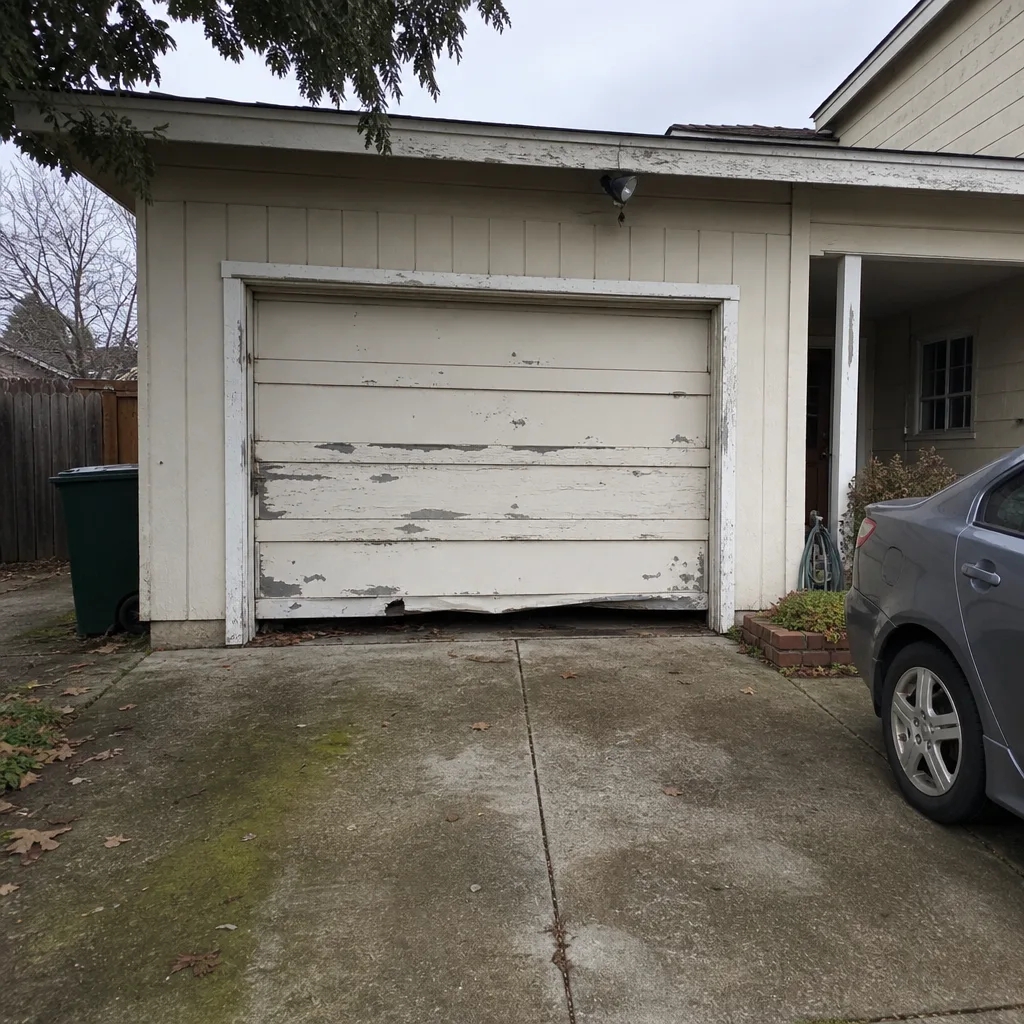 Before
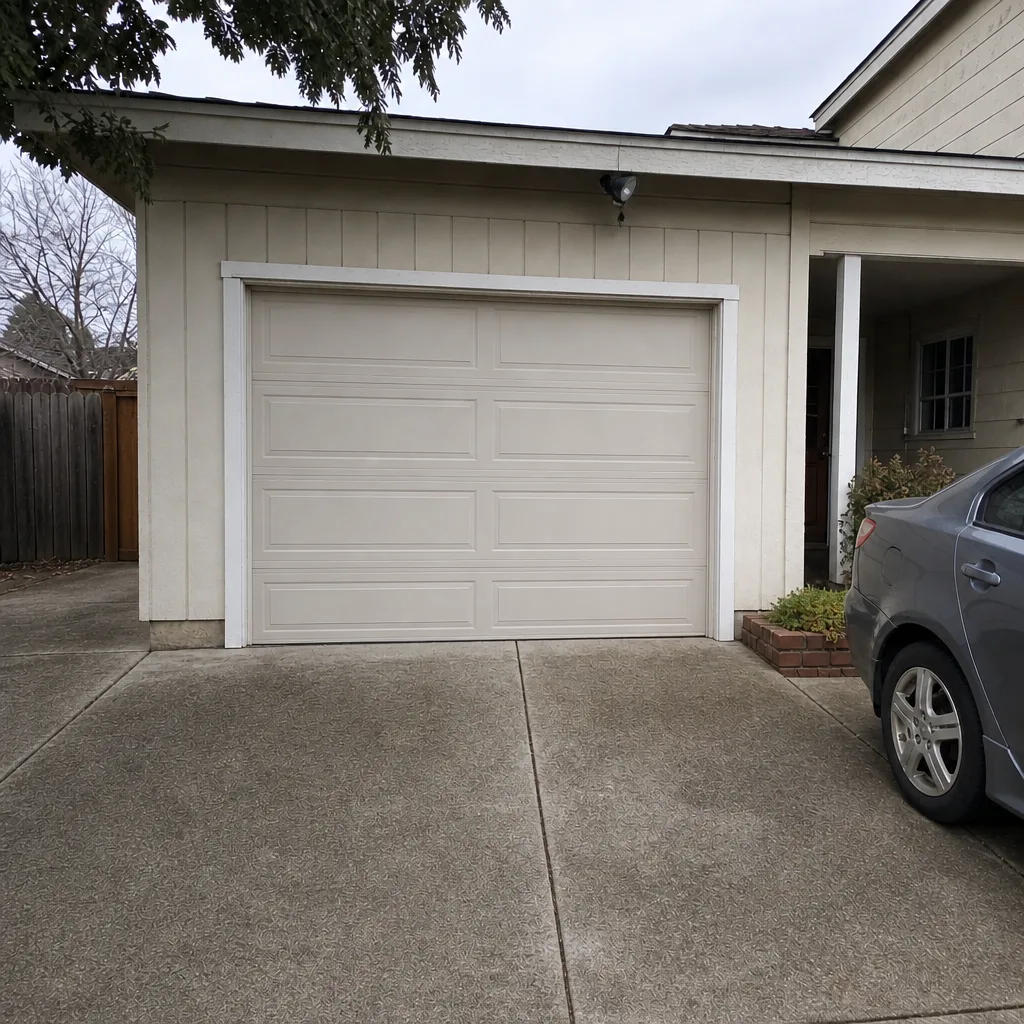 After
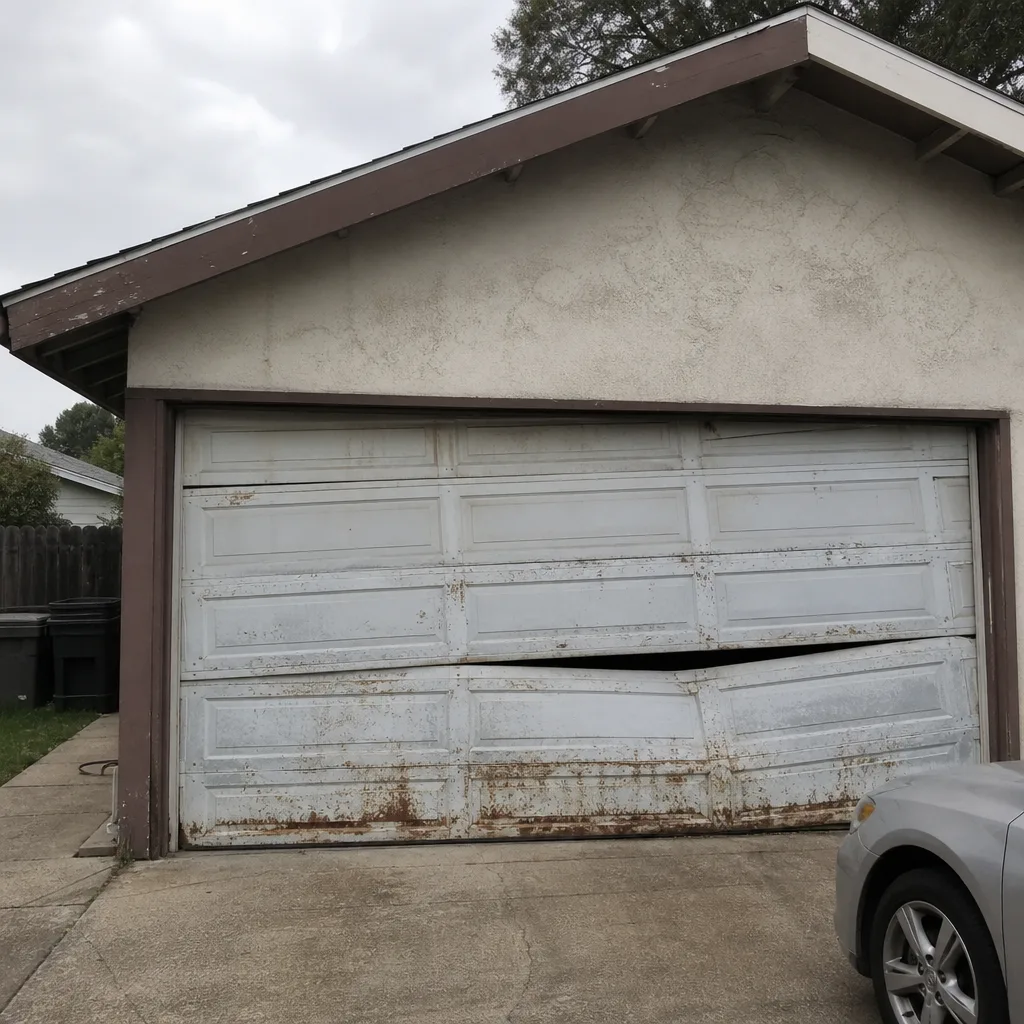 Before
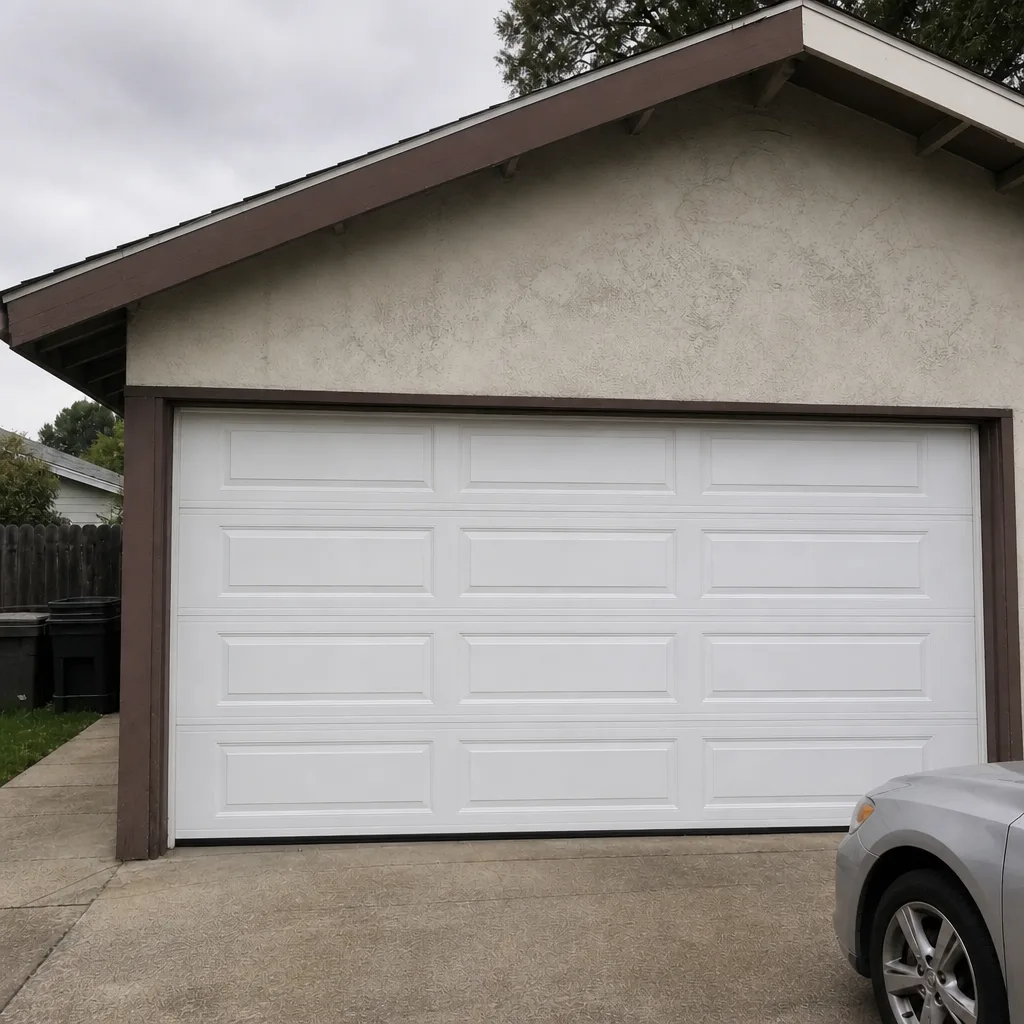 After
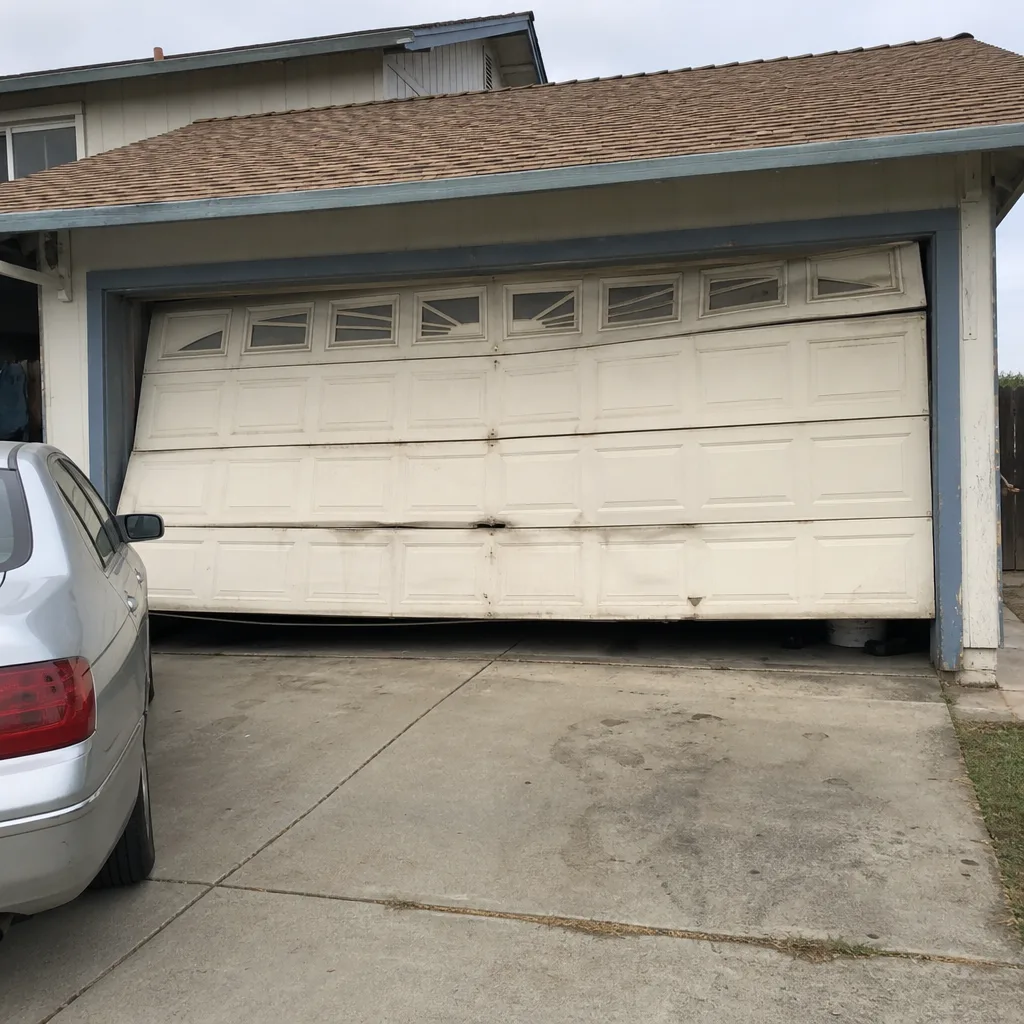 Before
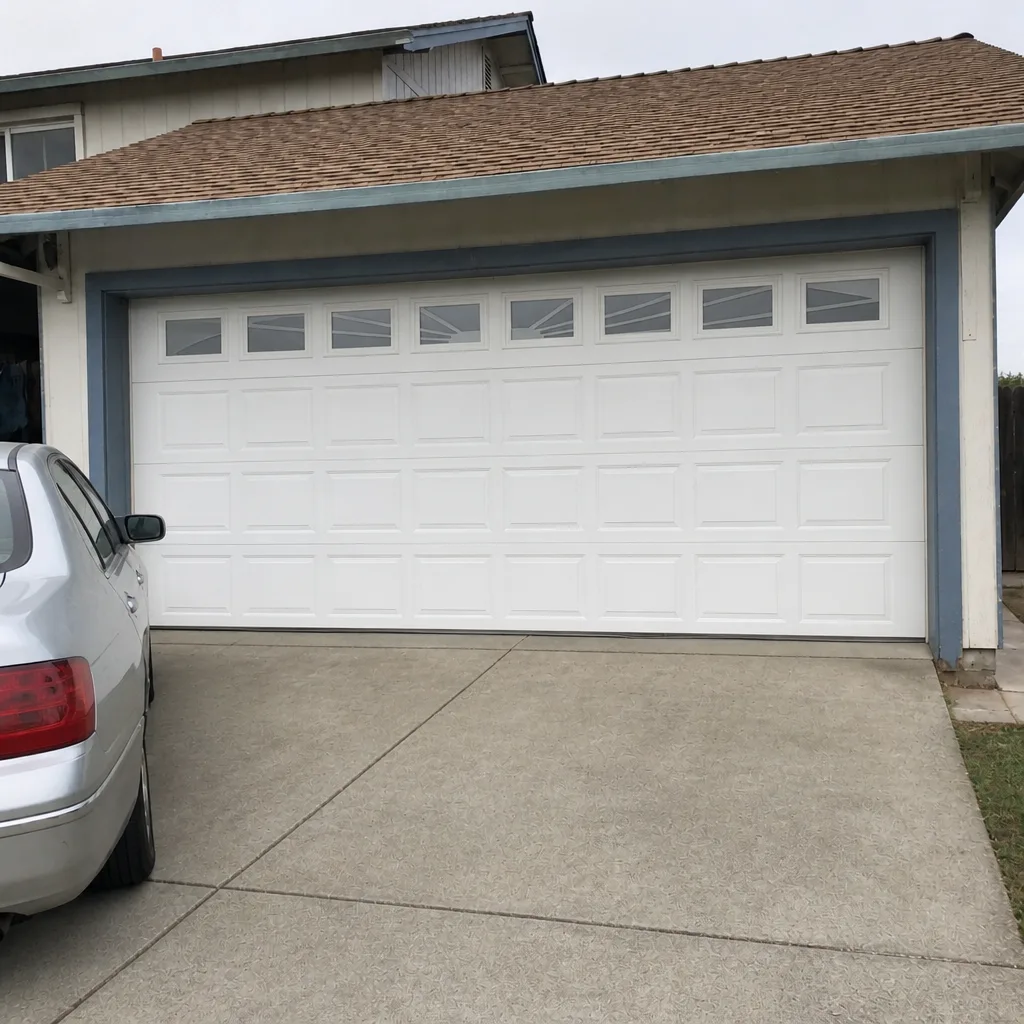 After
When to Call a Professional
Some problems aren’t for the 20-minute checklist. Call a professional if a spring is cracked, stretched, or making a loud bang; if the door won’t stay balanced at the halfway point; if a cable looks frayed or has slack; if a track is bent, loose, or the door is visibly off-level; if the opener reverses unexpectedly, won’t close, or the safety sensors won’t respond; or if the door frame has swollen enough that the door scrapes. Spring and cable work is genuinely dangerous to attempt without training and the right tools. The energy stored in a tensioned spring can release violently if it’s mishandled, and that’s why we tell every homeowner to leave it to a trained technician regardless of skill level. Tracy Garage Door Service offers free estimates in Tracy. Call (855) 473-8941. We answer 24/7. Fast dispatch from 7am to 7pm, Sunday through Friday.
Frequently Asked Questions
Once a year for a full technician service, plus a 20-minute homeowner check at each of the four seasonal checkpoints. The annual visit handles springs, cables, track alignment, and opener adjustment. The homeowner check handles seals, lubrication, cleaning, and visual inspection. Two kinds of attention, two different schedules.
Yes, and the reason is heat rather than cold. Tracy averages 37 days above 100°F a year, which stresses seals, tracks, and rollers every summer. The mild winter adds moisture-driven rust and swelling on top of the summer wear. The door doesn’t get a break in either season, and it needs at least one technician visit a year to keep up.
Yes, as long as you stay away from the spring, cable, and track adjustment. A light coat of garage-door-rated lubricant on the hinges, rollers, and spring coils is a homeowner-safe task, and it’s a big part of the May and March checklist. Don’t use a heavy grease, and don’t spray lubricant onto the bottom seal itself; use a dedicated seal conditioner for that.
A visible gap at the floor when the door is closed, or a seal that’s cracked, stiff, or crumbling. In Tracy, seals often fail by the end of summer and show water intrusion during the first October rains. If you see a gap in October, replace the seal before the wet season, not after.
Not the schedule, but it changes which parts we check. A Clopay or Amarr door and a Wayne Dalton door have different hardware wear patterns, and a Genie or LiftMaster opener has its own service points. The calendar stays the same; the inspection details shift to your specific brand. We work with the actual hardware, not approximations.
Call us and we’ll book you into the earliest opening. We answer 24/7. A call outside dispatch hours is booked into the next opening, Sunday through Friday, 7am to 7pm. We’ll often find the door is the real issue, not the opener. Either way, we service both systems.
The Bottom Line
Tracy’s climate doesn’t fit the standard four-season maintenance script. You’ve got a long, punishing summer, a damp winter window, and two mild shoulder periods that are your best chance to catch problems early. Map your care to that calendar: a spring reset in March, a pre-summer check in May, a fall prep in September and October, and simple rust-and-seal checks through the damp months. Keep the homeowner tasks to the 20-minute checklist. Leave the springs, cables, and track work to a trained technician once a year. If you’re unsure where to start, call Tracy Garage Door Service for a free estimate. Call (855) 473-8941.
Written by the team at Tracy Garage Door Service.