
Last updated November 15, 2026
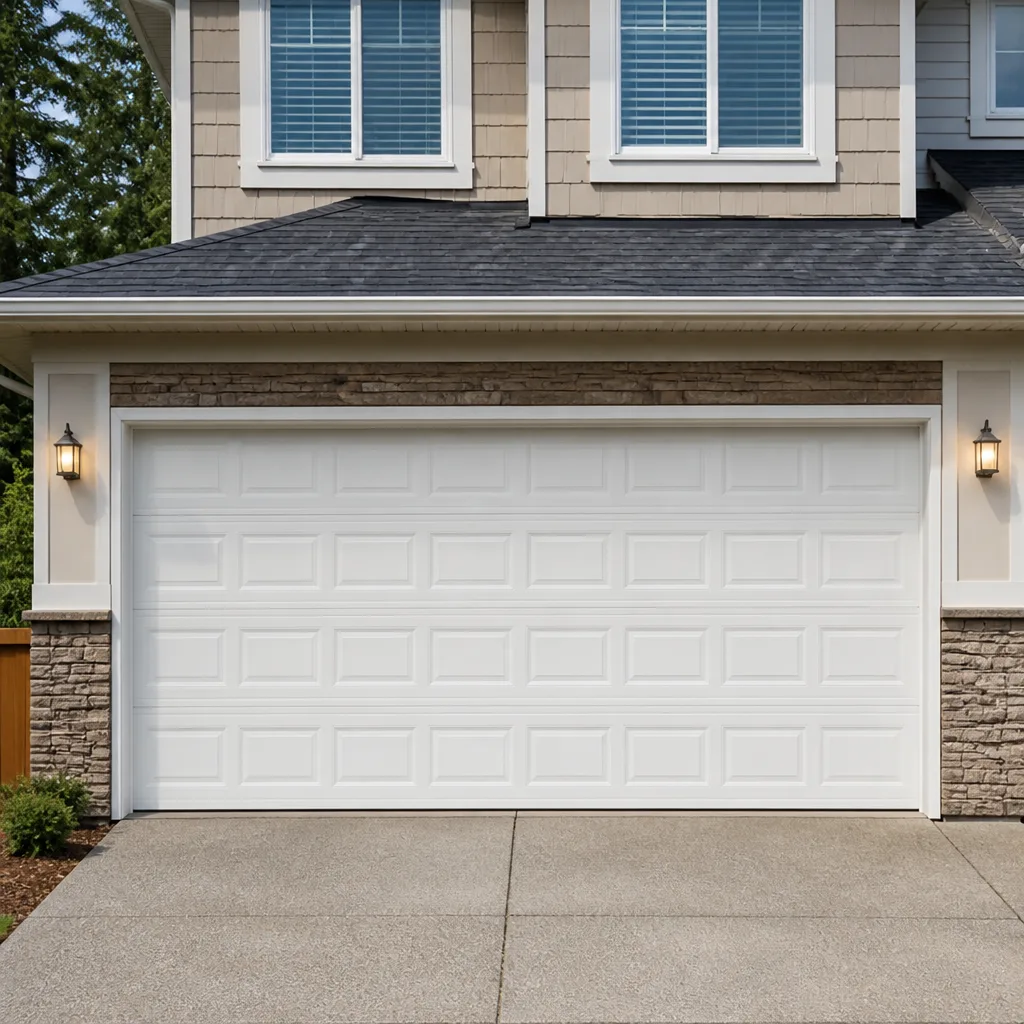 Raised-panel steel
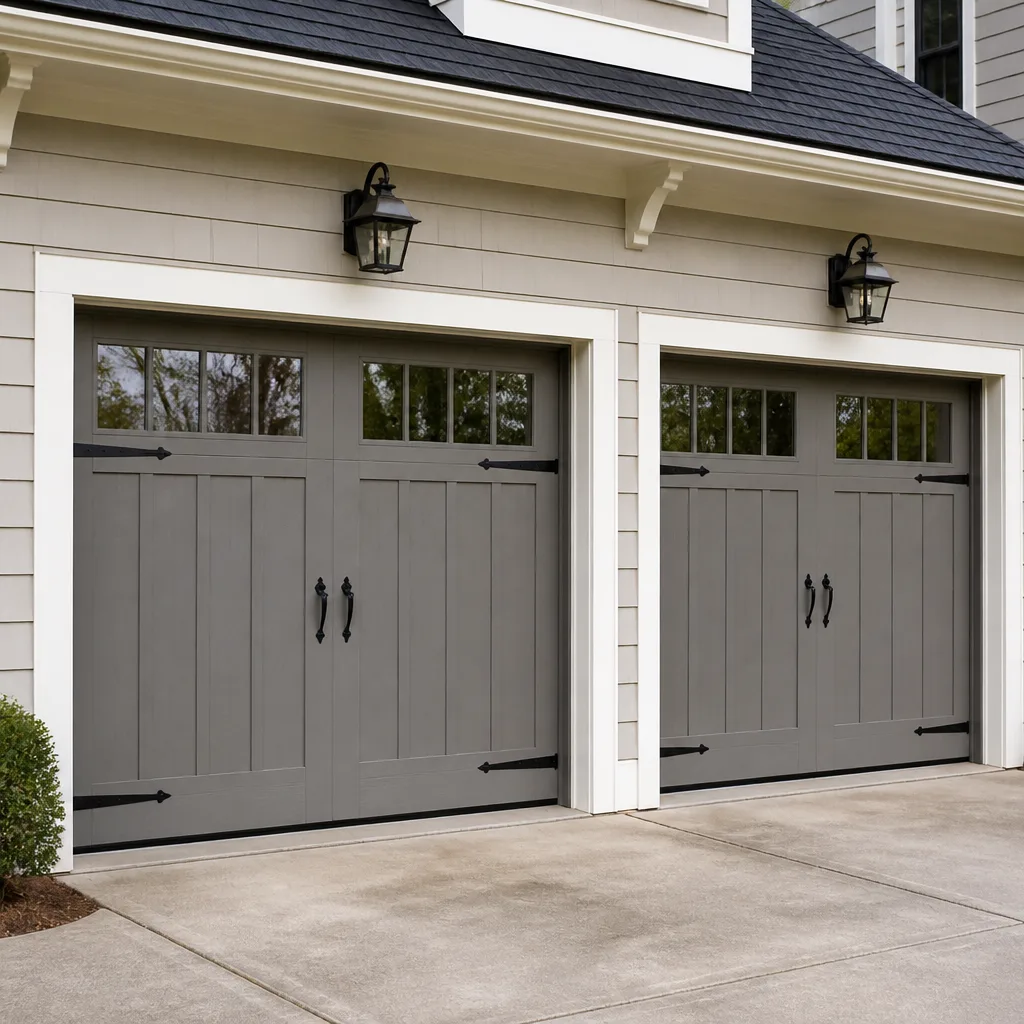 Carriage house
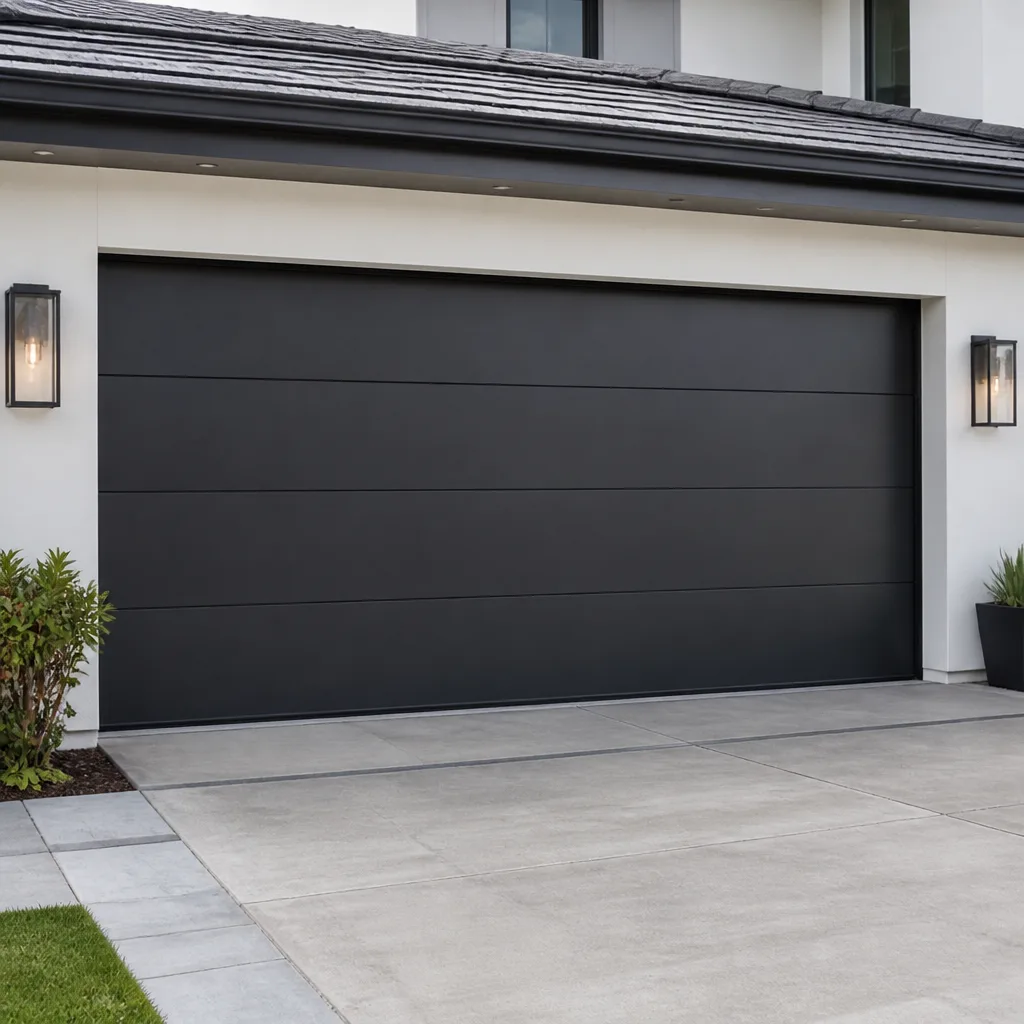 Modern flush
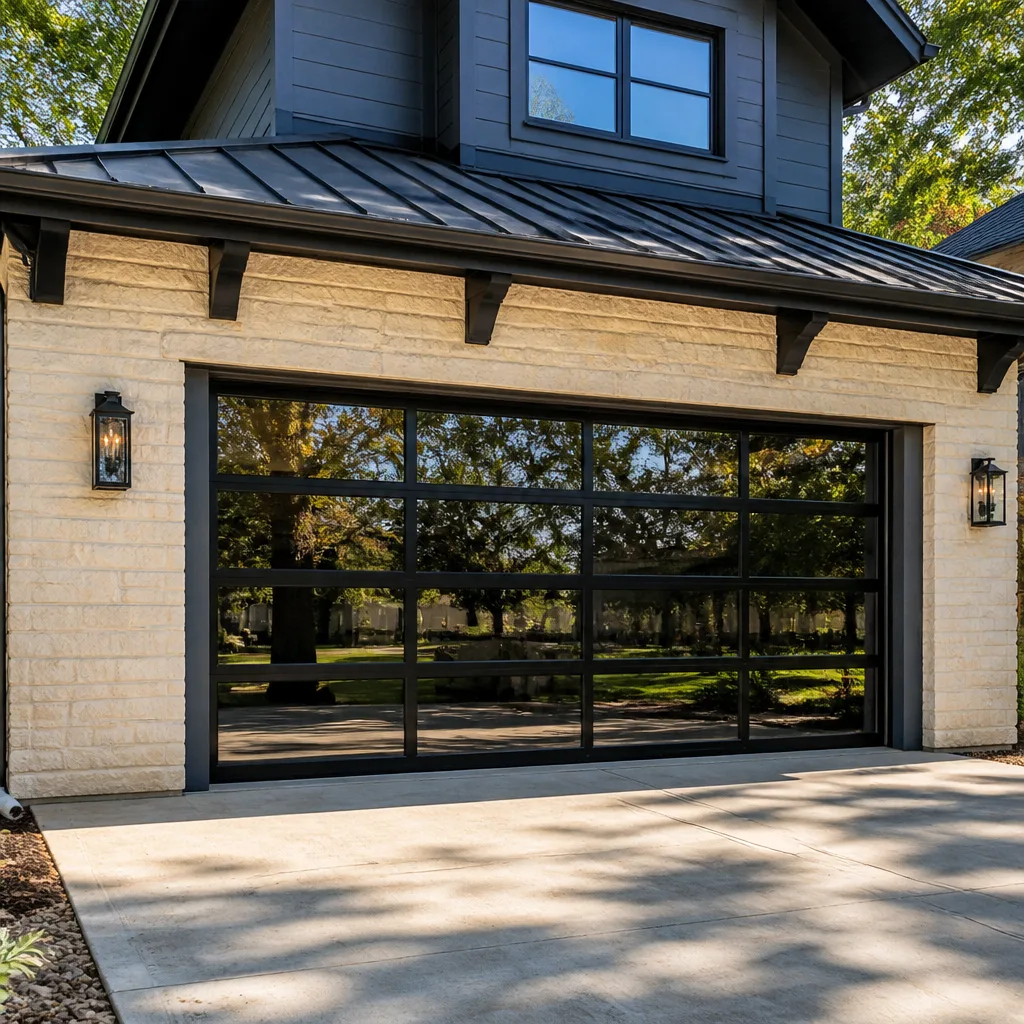 Full-view glass
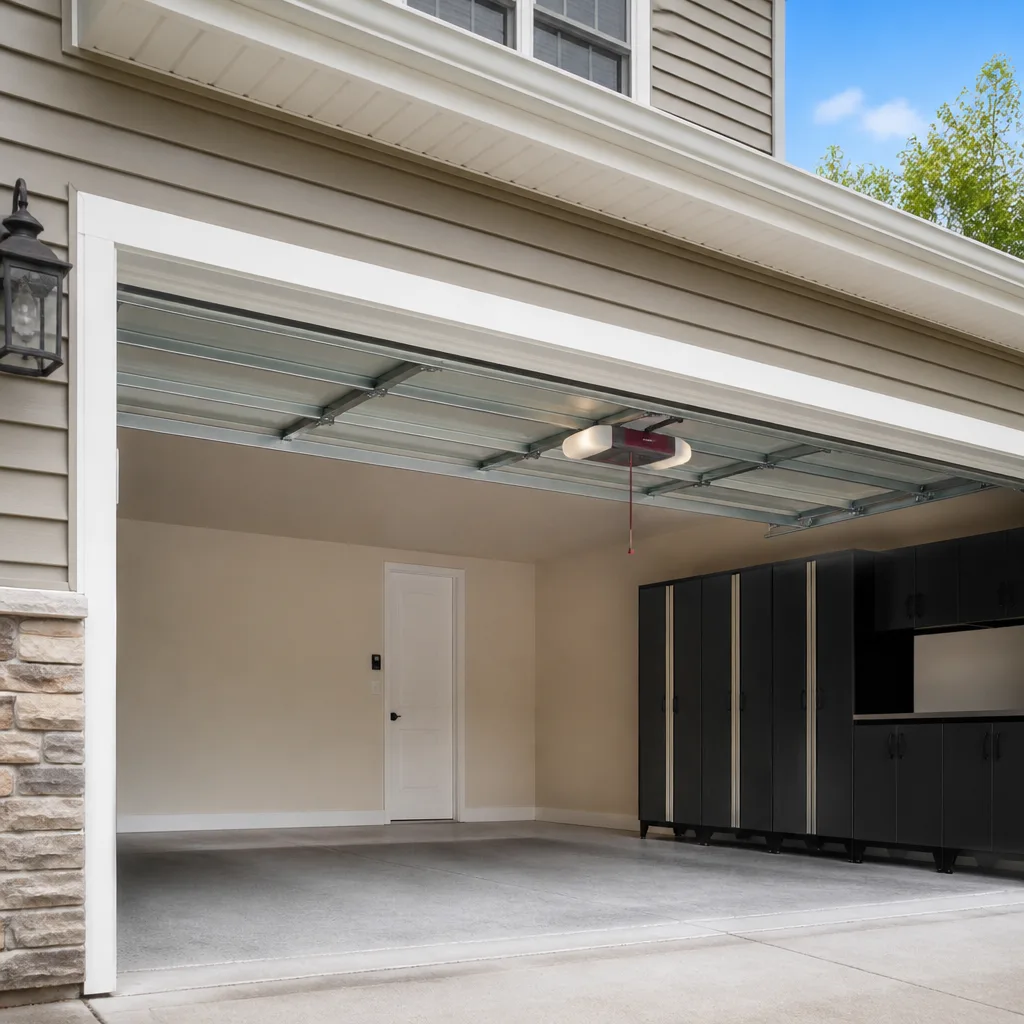 LiftMaster openers
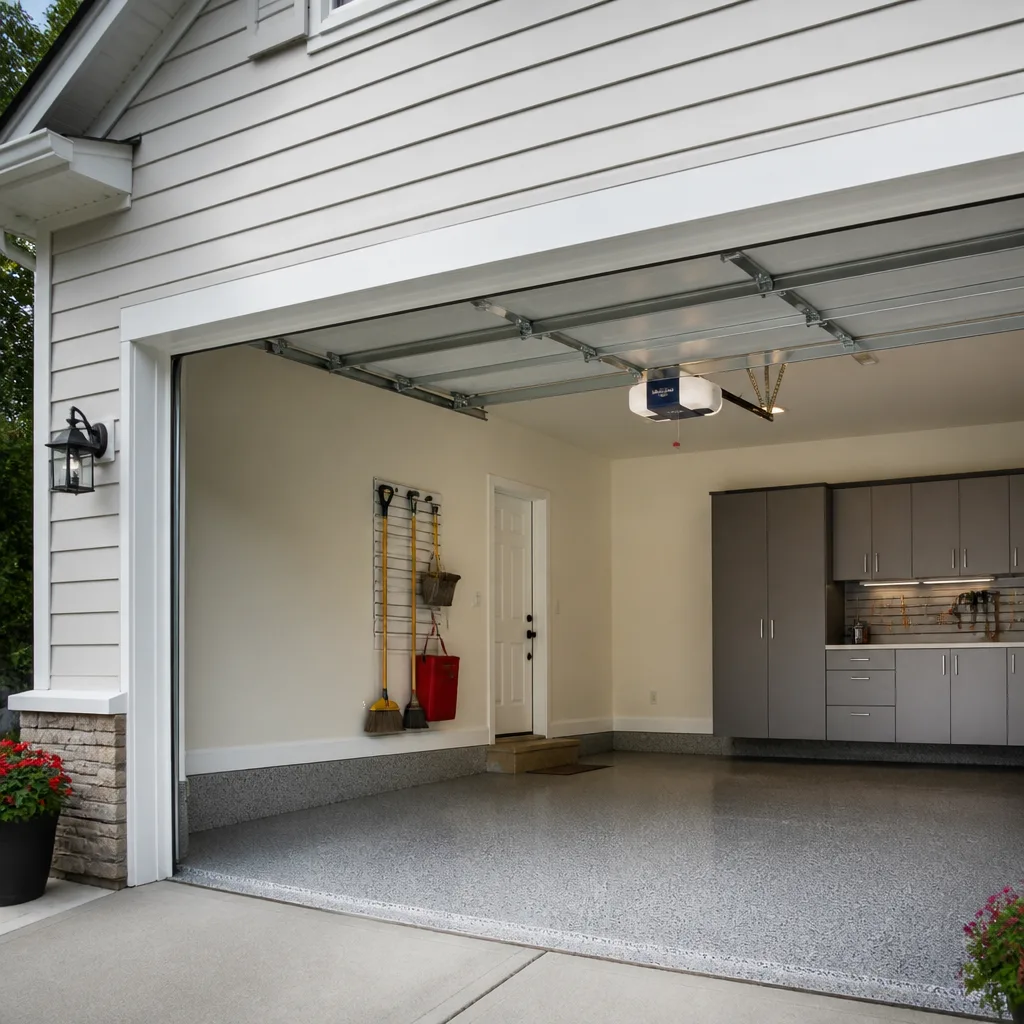 Chamberlain openers
Full 25-point door and opener safety check with every visit - springs, cables, rollers, tracks, and your LiftMaster or Chamberlain opener included
You get a price before we start. It does not change when the pro arrives.
Get your free estimateGarage Door Warning Signs: A Tracy Homeowner’s Reference Guide
A garage door that takes three seconds longer to open than it used to isn’t just getting old. That extra time is usually a torsion spring that’s lost tension, and it’s quietly transferring load to your opener motor every single cycle, shortening the life of both parts. Most Tracy homeowners miss this because nobody ever showed them what normal looks like. Your door has a baseline sound, a baseline speed, and a baseline feel, and once you know it, every deviation becomes a signal you can act on. This guide names the sounds, measurements, and behaviors that mean “schedule this soon” versus “stop using the door today,” so a small fix stays small.
Quick Answer
The most common garage door warning signs are a grinding or squealing sound during travel, a door that opens unevenly or reverses before closing, visible cable fraying or a gap in the torsion spring coil, and an opener that strains or lags. Any single one of these means the door needs a technician’s eyes. Signs that mean stop using the door immediately are a snapped spring, a cable that has come off its drum, or a door that slams or free-falls when you release the opener.
Styles & brands we work with
- Raised-panel steel
- Carriage house
- Modern flush
- Full-view glass
- LiftMaster openers
- Chamberlain openers
Table of Contents
- Warning signs you can hear: what each sound points to
- Warning signs you can see: cables, springs, tracks, and rollers
- Behavioral warning signs: speed, balance, reversal, and remote lag
- Schedule soon versus stop using the door today
- How to document warning signs before a technician arrives
- Why Tracy conditions shape what fails here
- What your brand tells you about likely failure points
Why Garage Doors Fail Slowly Before They Fail Suddenly
Garage doors rarely break without notice. The hardware gives you weeks of warning, and the reason homeowners miss it is simple: the door does its job every day without anyone watching or listening closely. A torsion spring loses tension gradually. A cable frays one strand at a time. A roller flattens before it seizes. Each of those changes shifts load onto a different component, so by the time the door actually stops working, two or three parts have usually been degrading together.
That pattern matters for cost. When a Tracy homeowner calls because the door won’t open at all, the technician is often replacing a spring, an opener gear, and a set of rollers at once. When someone calls because the door sounds different than it did last month, the fix is frequently one part. Catching the signal early is the difference between a repair and a rebuild.
The reason a proper baseline matters is that “normal” is specific to your door. A single-car Clopay door and a double-car Wayne Dalton door sound different on a good day. What we ask homeowners to track isn’t a universal standard but a change from their own door’s usual behavior. If it sounds, moves, or feels different from last season, that’s the data point worth acting on.
Warning Signs You Can Hear: What Each Sound Points To
Sound is the earliest warning a garage door gives you, and the type of sound narrows down which component is struggling. A grinding noise usually means metal-on-metal contact, often a dry or seized roller or a bearing wearing through. A high-pitched squeal points to friction in the torsion hardware or the rollers. A sharp popping sound during operation is one of the more serious signals because it can indicate a spring under load, a cable slipping, or a hinge pulling loose. Rattling is the mildest of the four, and it usually means loose hardware, worn rollers, or a panel that has worked its way out of alignment.
Here’s how the sounds break down by likely cause:
- Grinding: dry or seized rollers, worn bearings, or the opener’s drive gear wearing down. Left alone, the friction transfers strain to the opener motor.
- Squealing: torsion hardware or roller friction. This is often the cheapest warning sign to resolve.
- Popping: a spring or cable under abnormal load, or a hinge separating from the panel. Treat this one as urgent.
- Rattling: loose bolts, worn rollers, or a panel vibrating against its hinges. Usually a scheduled fix, not an emergency.
One sound at a time is a manageable diagnosis. Two or more together, especially grinding plus popping, usually means the door is transferring stress across multiple parts. That’s the point where a Tracy homeowner should stop cycling the door and get it looked at.
Warning Signs You Can See: Cables, Springs, Tracks, and Rollers
The visual inspection is where specific measurements matter, because “a little wear” and “call a technician now” look different when you know what to count. Look first at the torsion spring above the door. The coil should look continuous. If you can see a visible gap between coils, even a small one, the spring has lost tension or is starting to fail. A spring that has fully snapped will show a clear separation, and at that point the door should not be operated at all.
Cables are the next thing to check. Cables should sit snugly on their drums with no slack. Fraying is measured in broken strands, and the rule is simple: a single broken strand means the cable is compromised and needs replacement. Several broken strands, or a cable that has jumped off its drum, is a stop-using-the-door situation. Cables are under high tension and can cause serious injury if they snap while someone is standing near them.
Tracks need a different measurement. A small gap between the roller and the track edge is normal tolerance. What isn’t normal is a visibly bent track, a dented section, or a roller that has popped out of the channel. Tracks that are out of alignment force the door to travel unevenly and will wear the rollers and opener faster if left alone.
Rollers, hinges, and panels round out the check:
- Rollers: nylon rollers should be round and quiet. Flat spots or visible cracks mean replacement.
- Hinges: look for a hinge pulling away from the panel or a fastener that has backed out.
- Panels: a panel that’s cracked, bent, or rattling against its neighbor can affect how the door seals and travels.
For anything involving the spring or the cables, do not attempt a repair yourself. The spring system stores energy, and the wrong move releases it with enough force to break bones. A trained professional should handle those parts every time.
Behavioral Warning Signs: Speed, Balance, Reversal, and Remote Lag
Behavior changes are the subtlest signal and often the most informative. If your door takes noticeably longer to open than it used to, the cause is usually the torsion spring losing tension and the opener trying to compensate. The motor is now working harder than it was designed to, and that extra load shortens both the spring’s remaining life and the opener’s. This is exactly the scenario that turns a spring repair into a spring plus opener gear replacement if it’s left alone for a few months.
Uneven travel is another one worth watching. A door that rises at an angle, or where one side lags, usually points to a cable or spring imbalance. If you watch the gap at the floor as the door comes down, both sides should meet the ground at the same time. One side touching first, or the door looking tilted through its travel, is a real signal.
Reversal behavior is a safety system issue. Every modern door has a safety reversal function. If the door reverses when nothing is under it, or fails to reverse when you test it with a block of wood, the safety sensors or the opener logic needs attention. That’s not just an inconvenience. A door that fails to reverse is a genuine hazard.
Remote lag and intermittent opener response are frequently blamed on batteries, but they can also point to a failing opener logic board, worn drive gears, or a drive belt that’s stretched. Here’s how to separate those:
- Replace the remote battery first. If the lag persists, the remote isn’t the problem.
- Try a second remote or the wall button. If the wall button works instantly and the remote doesn’t, the receiver or remote is at fault.
- Listen to the opener motor during a cycle. Grinding or hesitation inside the housing means the drive system is wearing.
- Check whether the door’s speed changes mid-travel. That points back to the door’s balance, not the opener itself.
Bringing a technician in with those four answers already tested shortens the diagnosis to minutes. The opener and the door are two different systems, and separating them correctly matters.
Schedule Soon Versus Stop Using the Door Today
Not every warning sign is equally urgent, and knowing which category you’re in prevents both unnecessary panic and real risk. The “stop using the door today” signs are the ones where using it could cause injury or turn a small repair into a large one. The “schedule soon” signs mean the door still works, but every cycle accelerates the wear and adds to the eventual repair.
The signs that mean stop using the door today:
- A snapped torsion spring (a visible gap in the coil above the door)
- A cable that has come off its drum or shows several broken strands
- A door that free-falls or slams when you release the opener
- A door that reverses when nothing is under it, or refuses to reverse when tested
- A popping sound right before the door stops moving
The signs that mean schedule a repair soon:
- Grinding or squealing during travel
- A door that moves more slowly than it used to
- A single broken cable strand
- Rattling hardware or loose panels
- Remote lag or intermittent opener response
When you’re unsure which category a sign falls into, the safe answer is to leave the door down and call a technician. For anything involving the torsion spring, cables, or electrical, the door is holding energy, and a trained professional should be the one to touch it.
How to Document Warning Signs Before a Technician Arrives
Documenting the door before the technician arrives means the diagnosis starts with evidence instead of guesswork. It takes ten minutes and shortens the visit considerably. The goal is simple: record the door’s behavior, its sounds, and the parts you can safely see, so the technician walks in with a shortlist of suspects.
Here’s the sequence we recommend:
- Record a full open-and-close cycle on your phone. Stand back from the door, at an angle, so the recording shows both the travel and the underside of the door. Video catches uneven travel and hesitation that are hard to describe in words.
- Note the sound type and timing. Does it grind at the start, in the middle, or near the end? Timing narrows down which part is at work when the sound happens.
- Photograph the torsion spring, the cable drums, and the track section you’re concerned about. Use your phone’s flash so the coil detail and any fraying shows up clearly.
- Test the balance (safely). With the door closed and the opener disengaged, lift the door to waist height by hand. It should feel manageable and balanced. If it feels heavy or drops, stop and note that. Do not try to hold it up.
- Write down the door’s behavior in a few sentences. “Slow to open in the morning, grinds at the top, one broken strand on the left cable” is enough for a technician to plan ahead.
Those notes let the technician bring the right parts for your brand and reach a diagnosis in a single visit. If you’re not comfortable with any of the steps, especially the balance test, skip it. Photographs and a video are always enough to start.
Why Tracy Conditions Shape What Fails Here
Tracy sits in a mild-winter inland climate with hot, dry summers, and both ends of the year put specific stress on garage door hardware. The heat warps panels slightly over time, dries out lubrication in the tracks and rollers, and expands and contracts cables in a way that gradually loosens tension. The result is that grinding and rattling sounds surface more often at the peak of summer than in spring. It’s also why checking the tracks after the first hot stretch of the year is worth the few minutes.
The dry air matters for cables, too. Lubrication on the torsion hardware and rollers dries out faster in Tracy than it does in wetter climates, and dry hardware wears faster. A door that sounds quiet in March can start squealing by August. That’s not a sign of a bad door. It’s a routine maintenance pattern in this part of the valley.
Neighborhood-level variables matter as well. Doors facing the afternoon sun from the west side of town take on more panel stress than doors shaded through the hottest part of the day. Homes with doors on a covered driveway see less heat exposure and less panel fatigue. Neither is something a homeowner needs to fix, but both change how quickly the door’s warning signs show up.
If you’re reading this because the door has started making noise, our garage door repair team can look at the door in Tracy and tell you which signs mean schedule now and which can wait. That’s the whole point of the guide: information first, repair only when it’s actually needed.
What Your Brand Tells You About Likely Failure Points
Different garage door and opener brands have slightly different failure patterns, and knowing that helps you watch the right parts. This is one of the practical reasons we focus on specific manufacturers rather than approaching every door the same way. A Clopay door with a particular hinge design wears differently than a Wayne Dalton door with its own suspension system. An Amarr panel series has its own track tolerances. And an opener from Craftsman or LiftMaster has its own drive design that fails in its own way.
The eight brands we work with on a regular basis cover most of what a Tracy residential homeowner is likely to have:
- Door manufacturers: Clopay, Amarr, Wayne Dalton, and Raynor.
- Opener manufacturers: LiftMaster, Chamberlain, Genie, and Craftsman.
What this means for the warning signs in this guide is that a specific symptom points more precisely when the brand is known. A grinding sound on a Craftsman opener often leads to the drive gear. A door that’s slow to open on a Clopay setup often points back to the spring tension, not the opener. When a technician recognizes the brand, the diagnosis starts with the most likely suspect instead of working through every possibility.
Our technicians have up to 14 years of experience across those brands, so pattern recognition is built into the first visit. If you don’t know your door’s brand, look for the label inside the door or on the opener housing. It’s usually visible with a quick look.
Common Mistakes to Avoid
- Ignoring a slow door because it still opens. Slowness is the most common early warning sign, and it’s the one most often left alone until the opener gives out. Waiting to fix it almost always means the eventual repair is bigger.
- Spraying lubricant on the torsion spring or cables and calling it fixed. Lubrication helps rollers and hinges, but it doesn’t restore a spring’s tension or a damaged cable. Greasing over a failing part hides the symptom while the part keeps degrading.
- Replacing the opener when the door is the problem. A grunting opener can be responding to a heavy door with a weak spring. If the opener is replaced but the door isn’t balanced, the new opener fails the same way.
- Assuming a single broken cable strand is “still working.” A broken strand means the cable has lost integrity. The remaining strands carry extra load, and the risk of a snap grows every cycle.
- Adjusting the opener’s force limit to compensate for a hard-moving door. Increasing the force setting doesn’t fix the underlying cause, and it defeats the safety reversal function. Leave that setting alone.
- Waiting for a full breakdown before documenting the door. A video of the door’s normal travel is the most useful diagnostic tool available. Once it’s broken, that record is gone.
- Trying to fix the torsion spring or cables without training. The spring system is under tension strong enough to cause serious injury. There’s no version of this that’s safe to do yourself.
See the difference
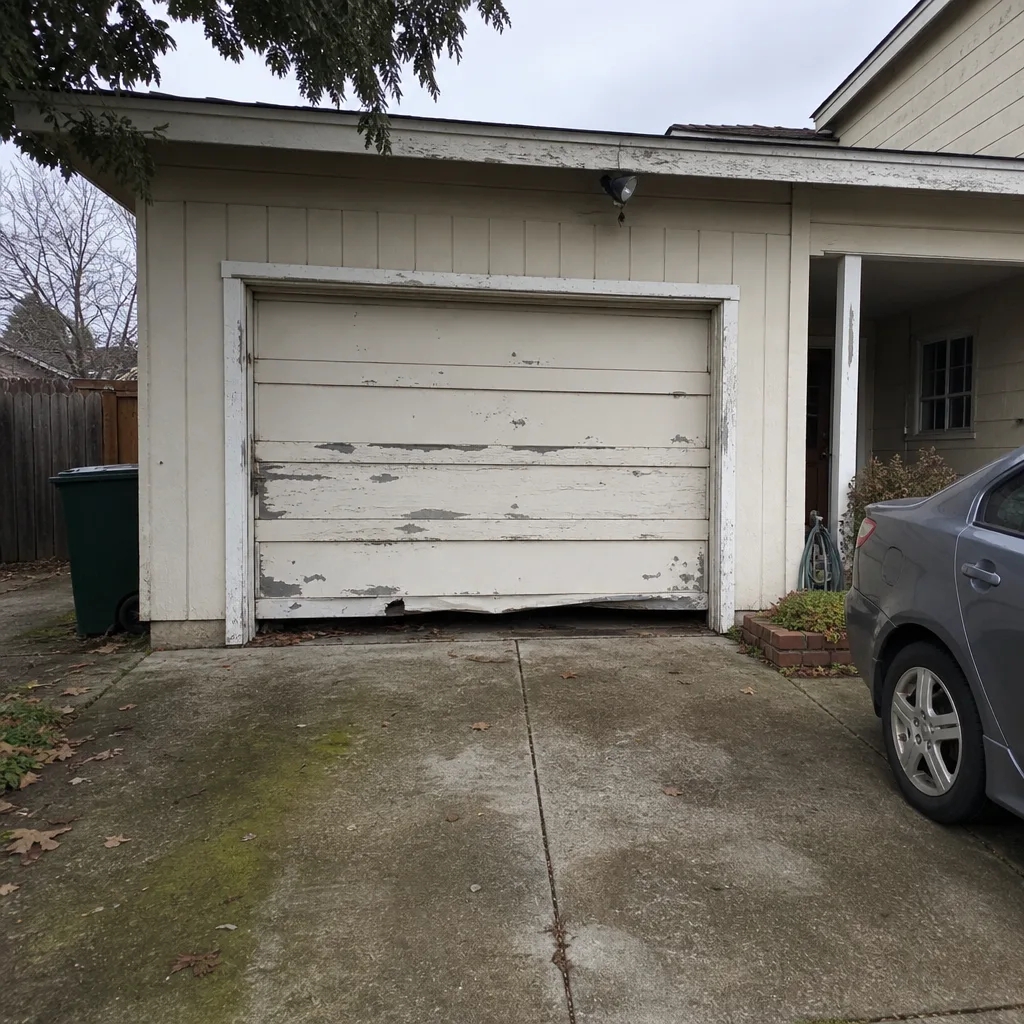 Before
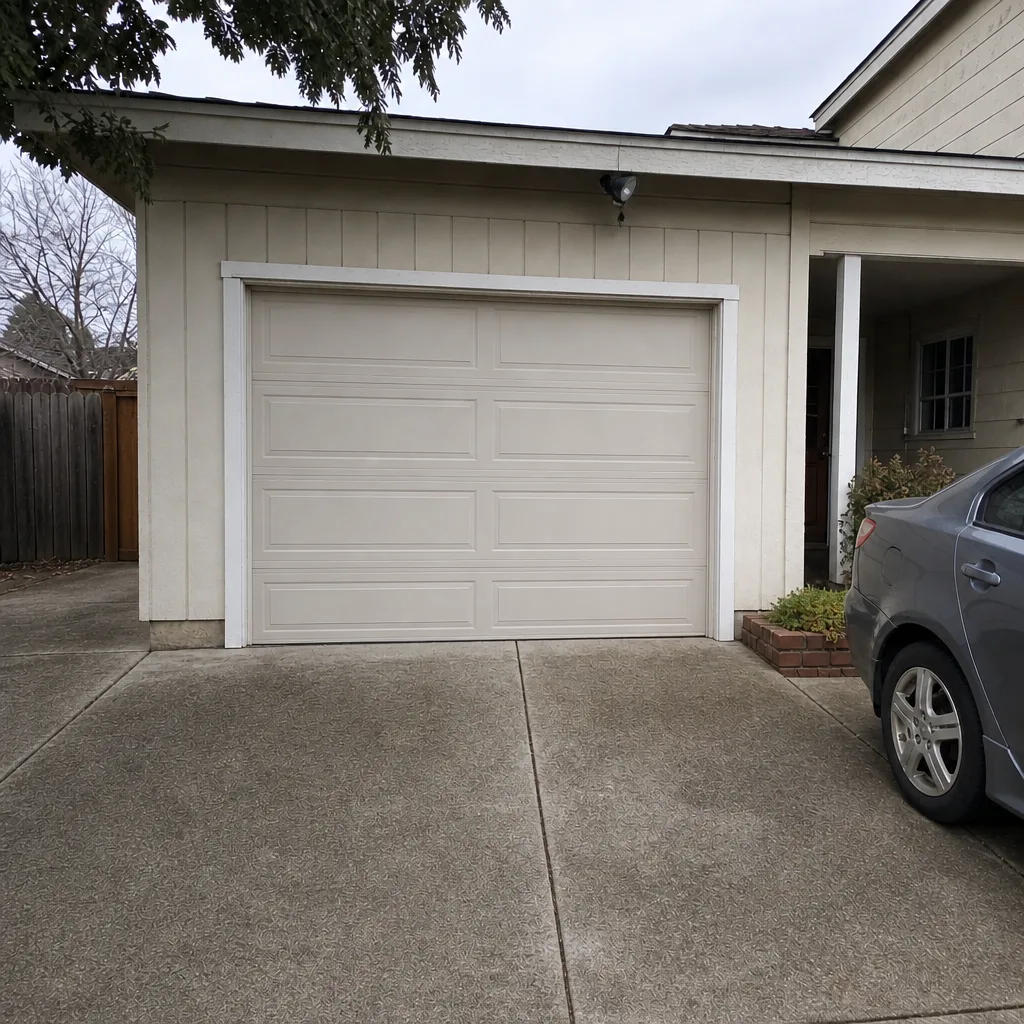 After
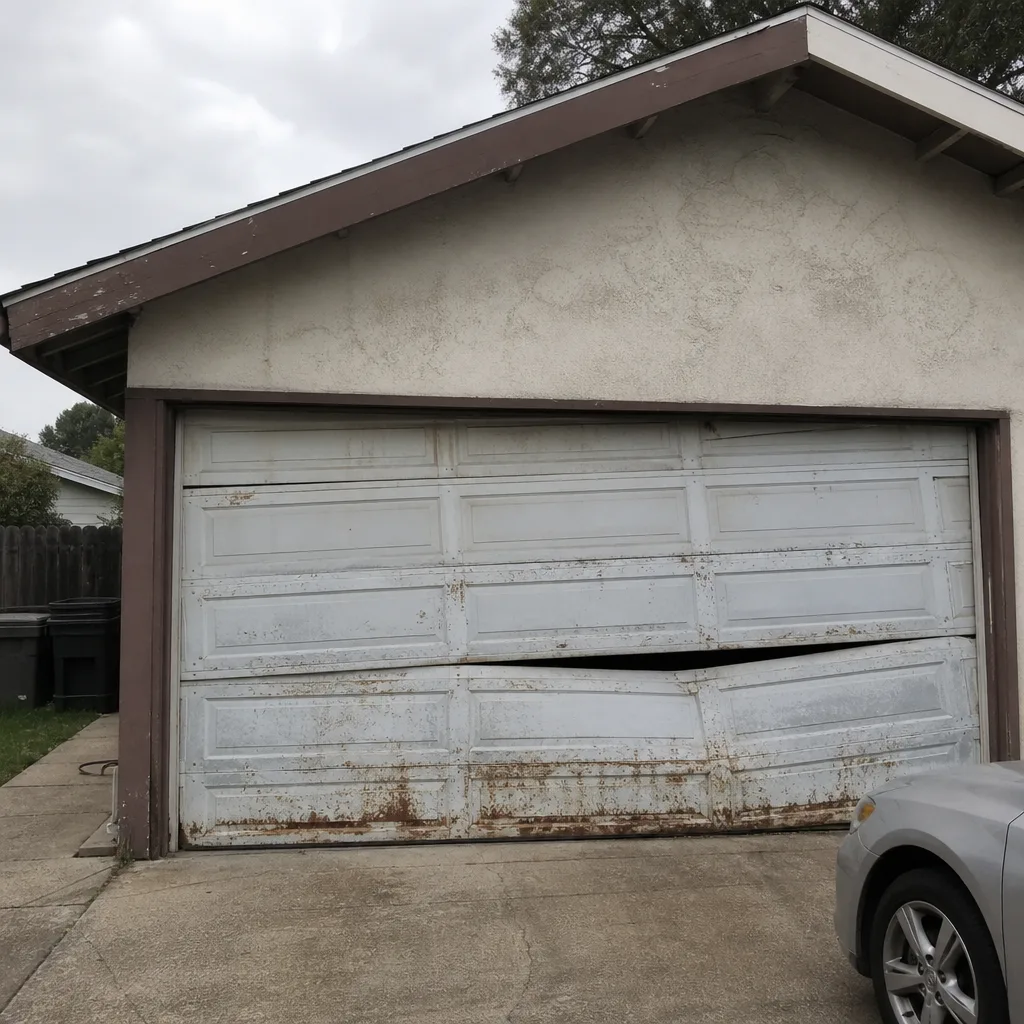 Before
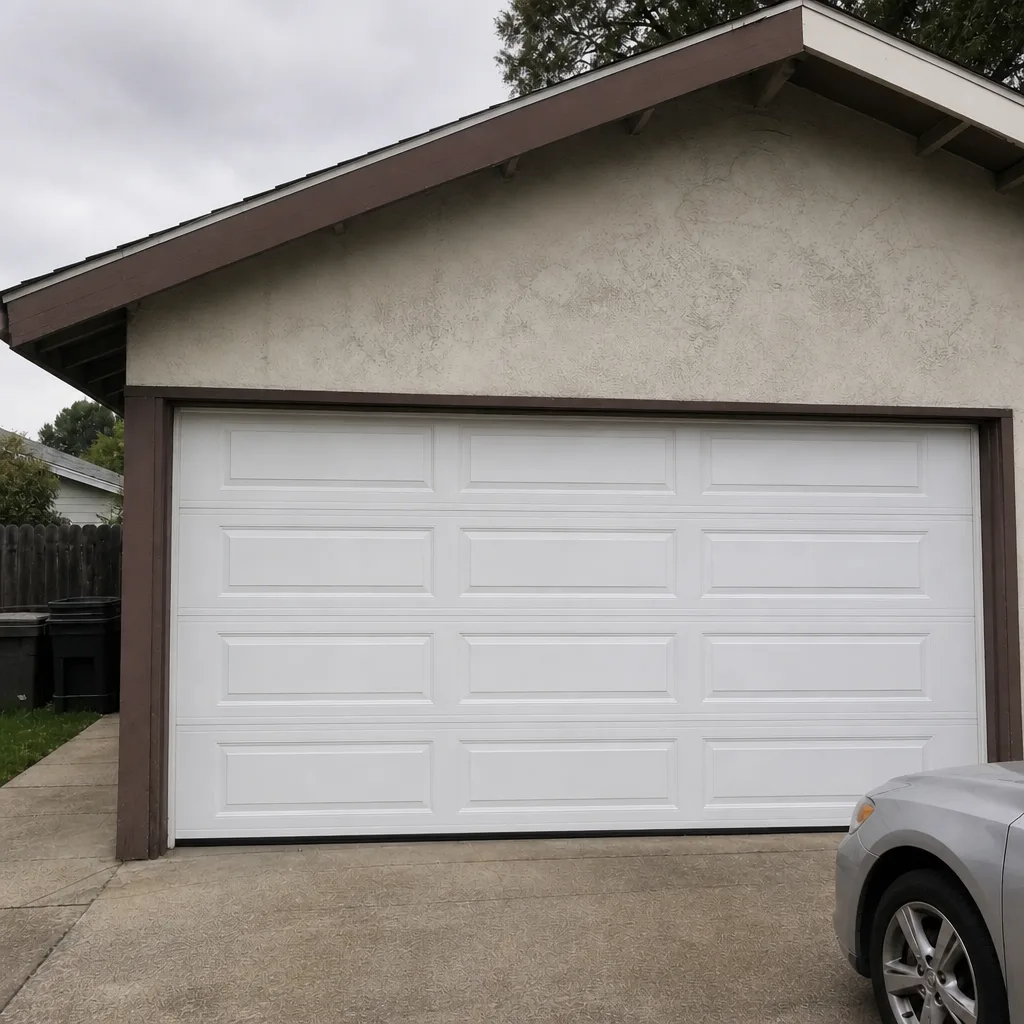 After
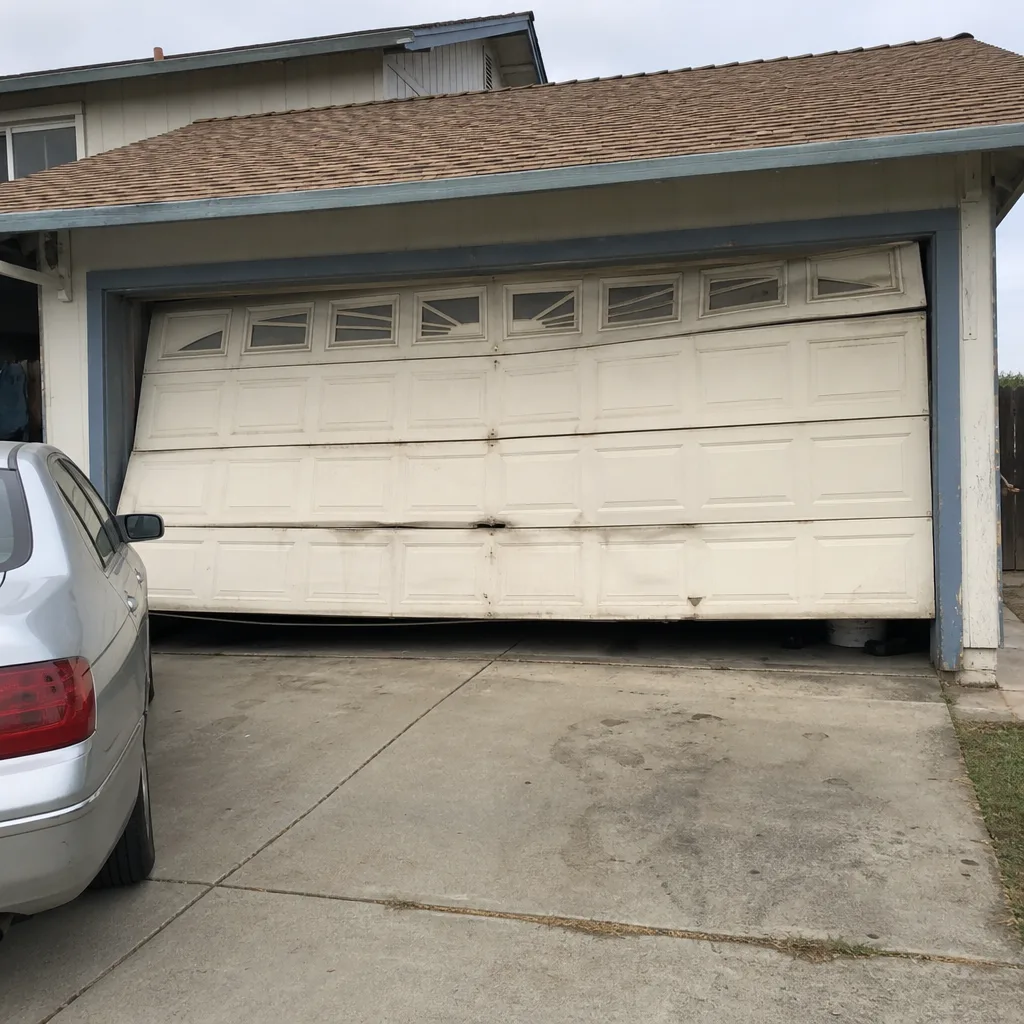 Before
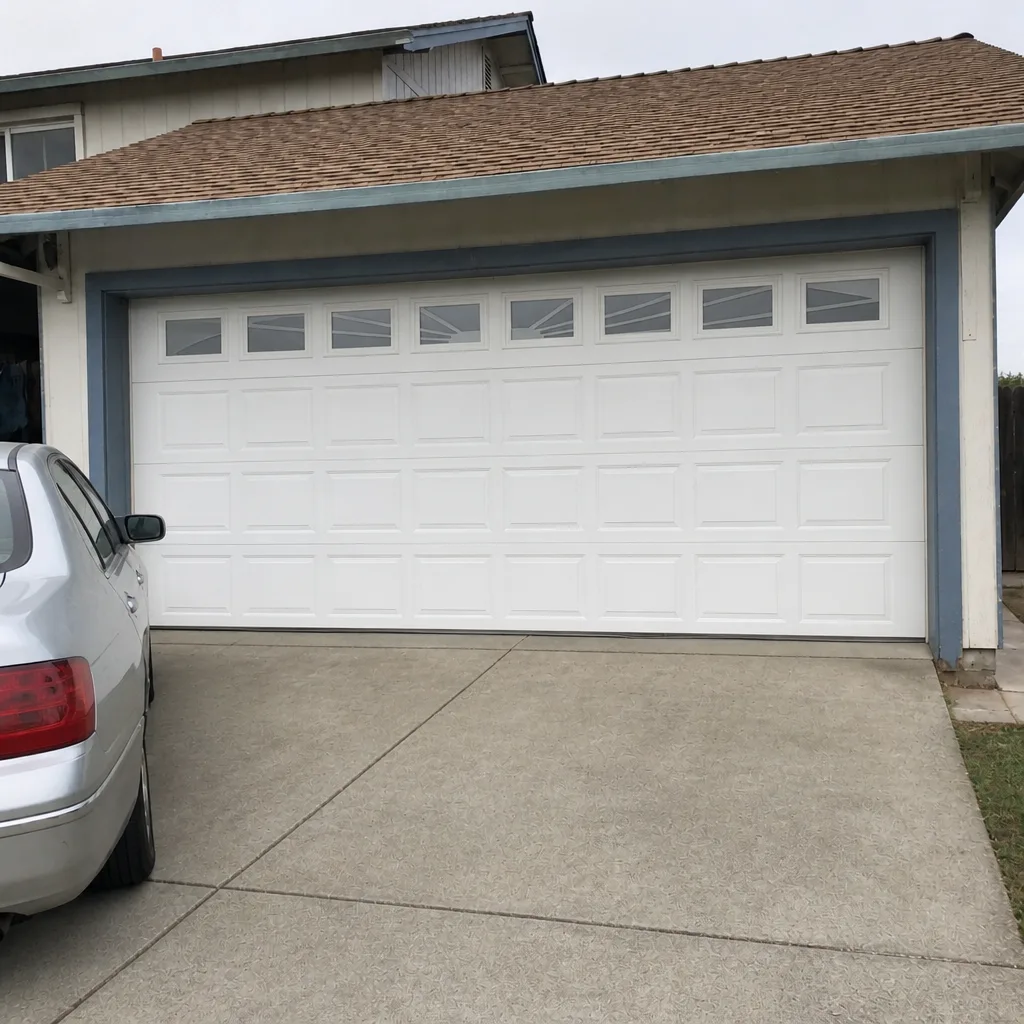 After
When to Call a Professional
Call a professional when the door makes a popping sound, when a cable has frayed to more than a single strand, when the door travels unevenly, or when the safety reversal fails. Call also if a torsion spring has snapped, if the door free-falls, or if the door simply stops responding and the remote and wall button both fail. Any of these means the door should be checked before it’s used again. For smaller signals, like a grind that started this week or a door that’s slightly slower than usual, an early visit keeps the repair small. If you’re in Tracy, our team can tell you whether to schedule or hold off. The estimate is free, and the price is quoted and agreed before any work starts. Call (855) 473-8941. We answer 24/7. Fast dispatch from 7am to 7pm, Sunday through Friday.
Frequently Asked Questions
The most common signs we see in Tracy are grinding or squealing during travel, a door that moves slower than it used to, a single broken cable strand, and rattling hardware. These usually point to worn rollers, dry torsion hardware, or a spring losing tension. Call (855) 473-8941 for an exact quote, and we’ll tell you whether it’s a same-week fix or can wait.
Most residential garage doors start showing their first warning signs well before the door is worn out, usually because one component (a spring, a cable, or a set of rollers) wears faster than the panels themselves. The door itself often outlasts its first spring by years. The key is tracking changes from the door’s own baseline rather than an age threshold. Call (855) 473-8941 with your door’s symptoms for a free estimate.
It depends on the sign. A snap in the torsion spring, a cable off its drum, a free-falling door, or a failed safety reversal mean stop using the door today. Slower travel, grinding, squealing, a single broken cable strand, or loose hardware mean schedule a repair soon but the door can still be used carefully. When in doubt, leave the door down and call. Reach us at (855) 473-8941 and we’ll help you sort out which category you’re in.
Heat dries out lubrication on the tracks, rollers, and torsion hardware faster, and metal components expand slightly in Tracy’s hot, dry air. That’s why grinding and squealing often appear in the middle of summer. It’s usually the cheapest warning sign to address. Call (855) 473-8941 and we’ll get it looked at before it turns into a bigger repair.
Most of the time it’s the door, not the opener. A door that’s slow to open or travels unevenly usually points back to a torsion spring that’s lost tension or an imbalance in the cables, and the opener is just working harder to compensate. If we replace the opener without fixing the door’s balance, the new opener wears the same way. Our garage door opener repair testing starts with the door’s balance so we’re not replacing the wrong part, and our technicians have up to 14 years of experience with LiftMaster, Chamberlain, Genie, and Craftsman systems to confirm the diagnosis. Call (855) 473-8941 for a free estimate.
No. The written estimate is the price. We quote the job before any work starts, and if the diagnosis changes once we’re on site, we re-quote and get your agreement before proceeding. There are no add-ons or surprise charges. Call (855) 473-8941 for a free estimate on your Tracy door.
The Bottom Line
Garage doors don’t break without warning. They grind, squeal, slow down, and shift for weeks before they fail, and the signs are readable once you know what to look for. The four sound types (grinding, squealing, popping, rattling), the three visible checks (spring coil, cable strands, track alignment), and the four behavioral signs (speed, balance, reversal, remote lag) cover nearly every failure we see in Tracy. The key is knowing which signs mean stop using the door today and which mean schedule a repair soon, and documenting the door before a technician arrives. Catching the signal early keeps the repair small and keeps both the door and the opener working the way they should.
Contact Us
If something about your door sounds, feels, or moves differently than it used to, get a professional opinion before the small fix becomes a big one. Our team works on repair, opener service, and new installation across Clopay, Amarr, Wayne Dalton, and Raynor doors and LiftMaster, Chamberlain, Genie, and Craftsman openers, so we can diagnose the door and the opener together rather than guessing. Estimates are free, and the price is quoted and agreed before any work starts. Call (855) 473-8941 for a free estimate on your Tracy garage door. We answer 24/7. Fast dispatch from 7am to 7pm, Sunday through Friday.
For more about our service area and how we work across Tracy, and to see the full range of what Tracy Garage Door Service covers, start here: one call handles repair, opener work, and installation from start to finish.
Written by the team at Tracy Garage Door Service.