
Last updated November 15, 2026
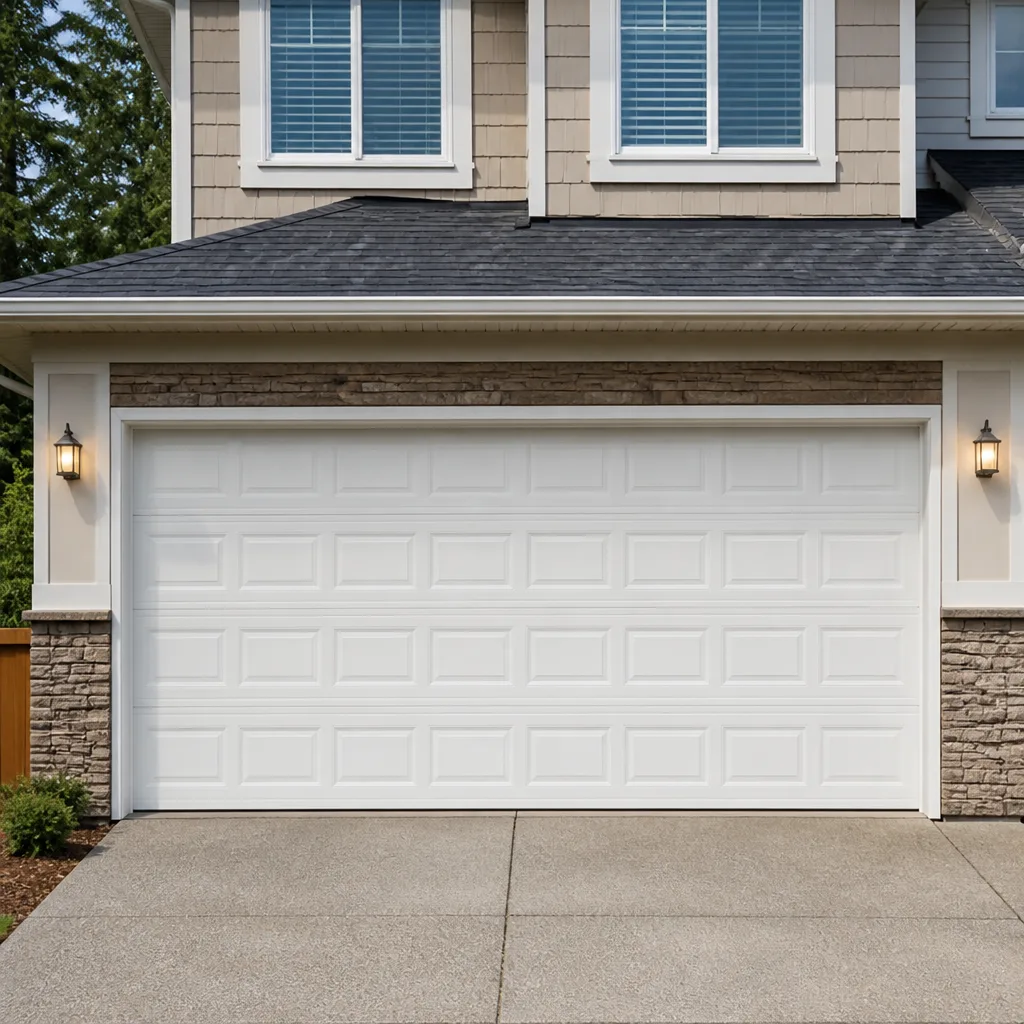 Raised-panel steel
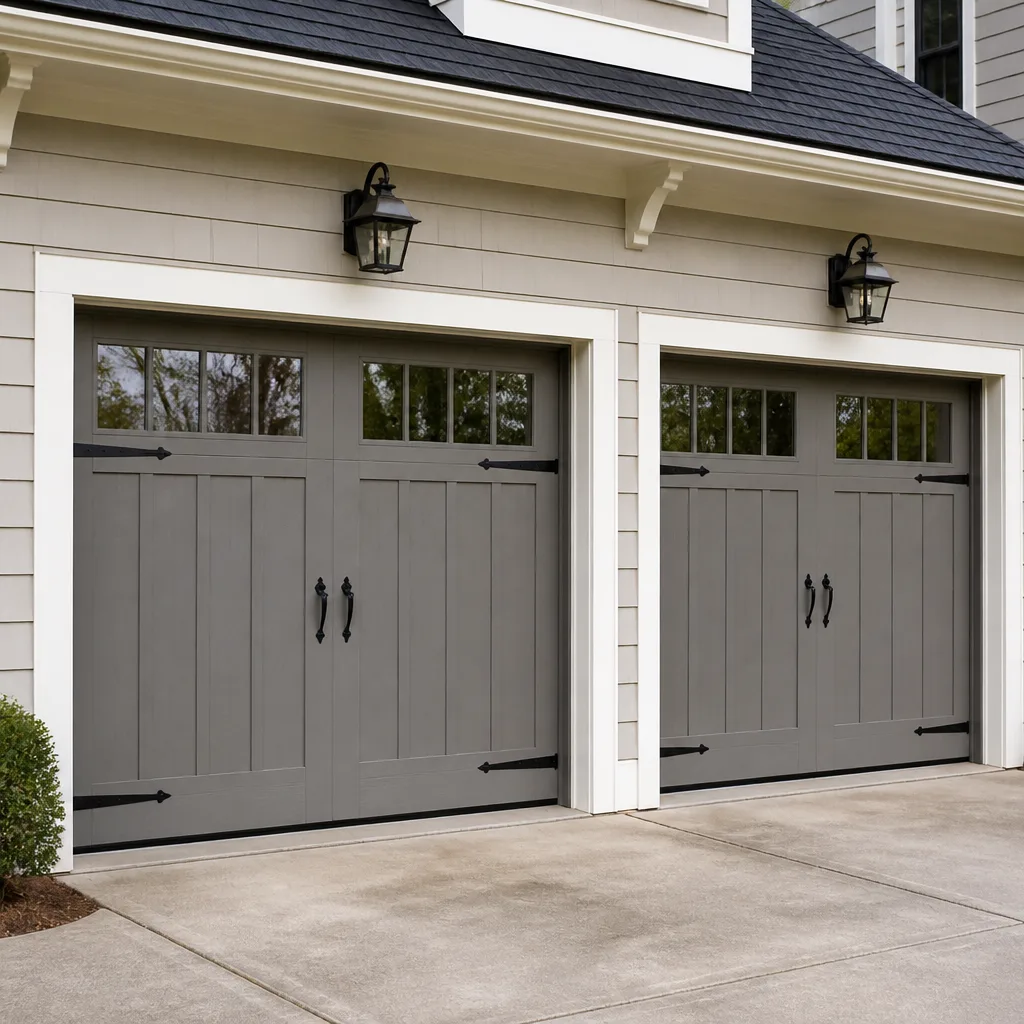 Carriage house
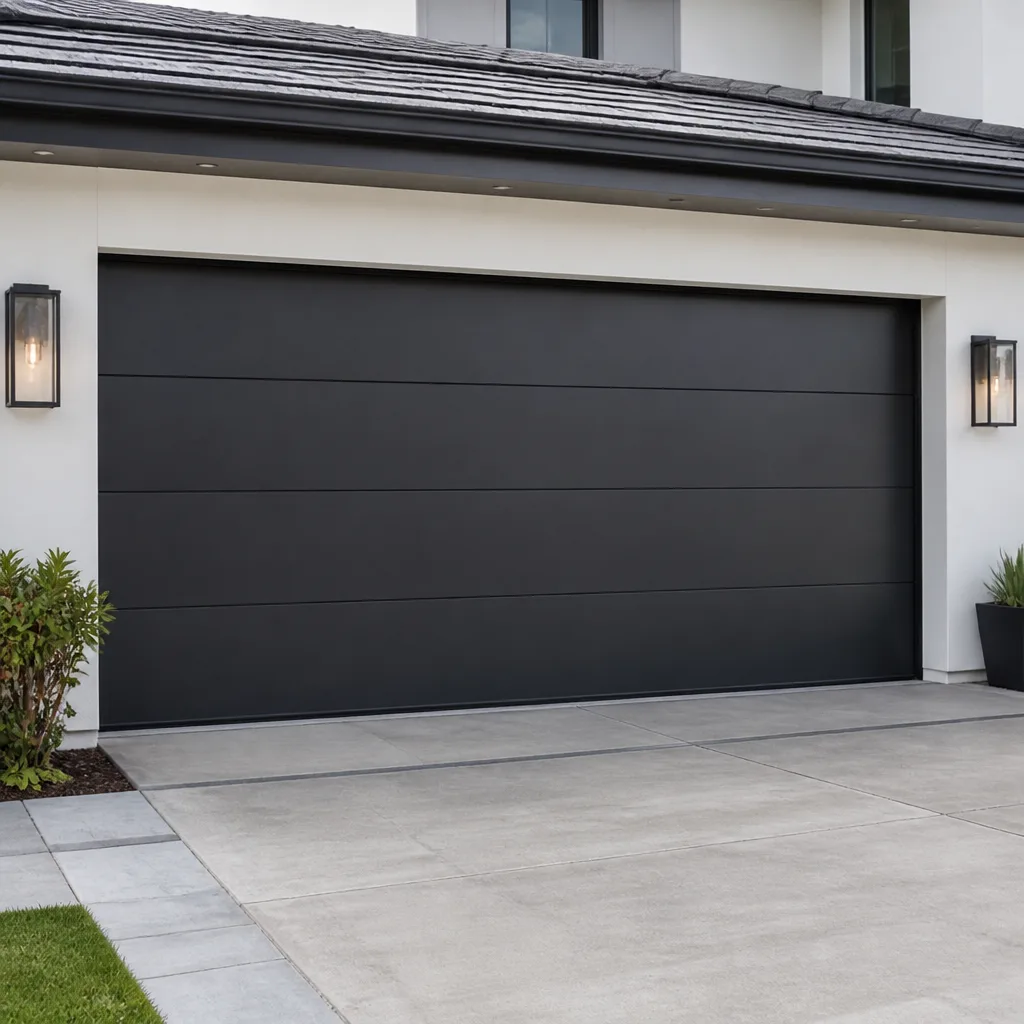 Modern flush
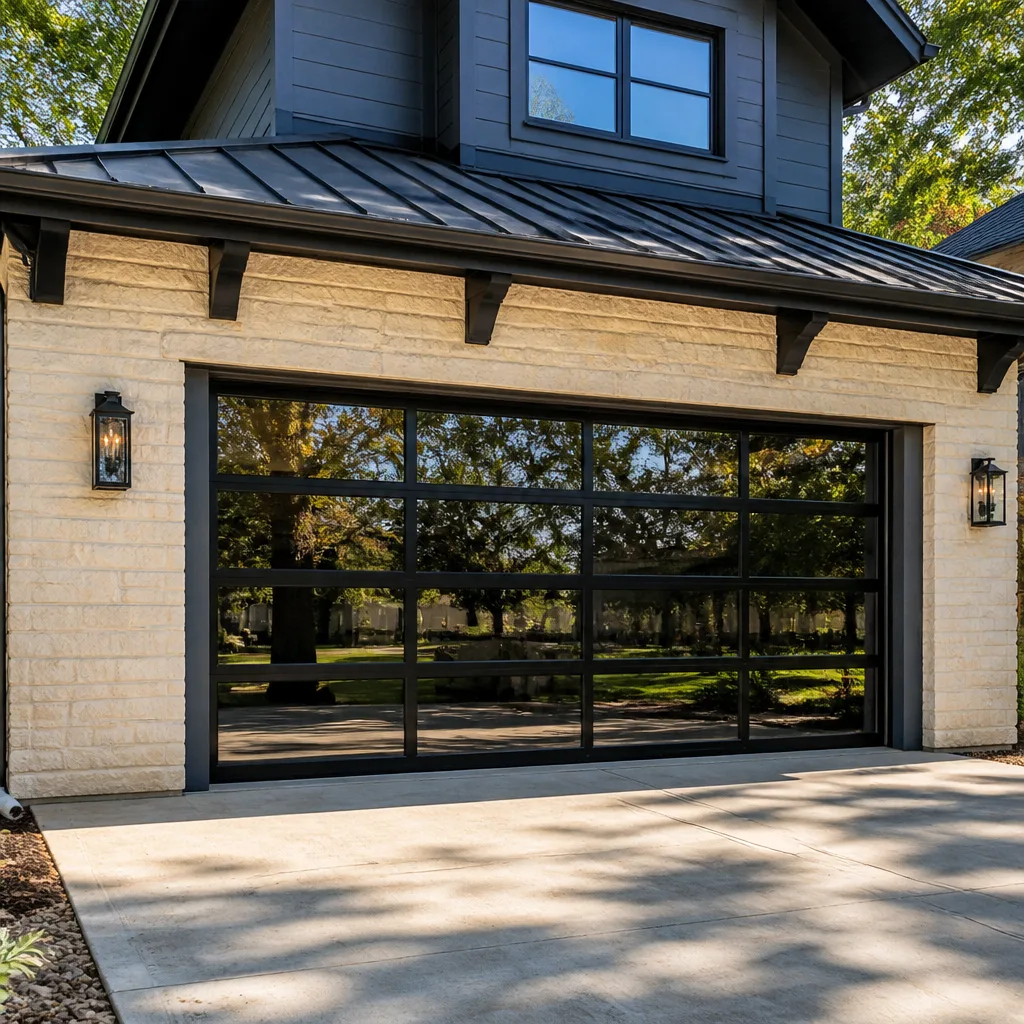 Full-view glass
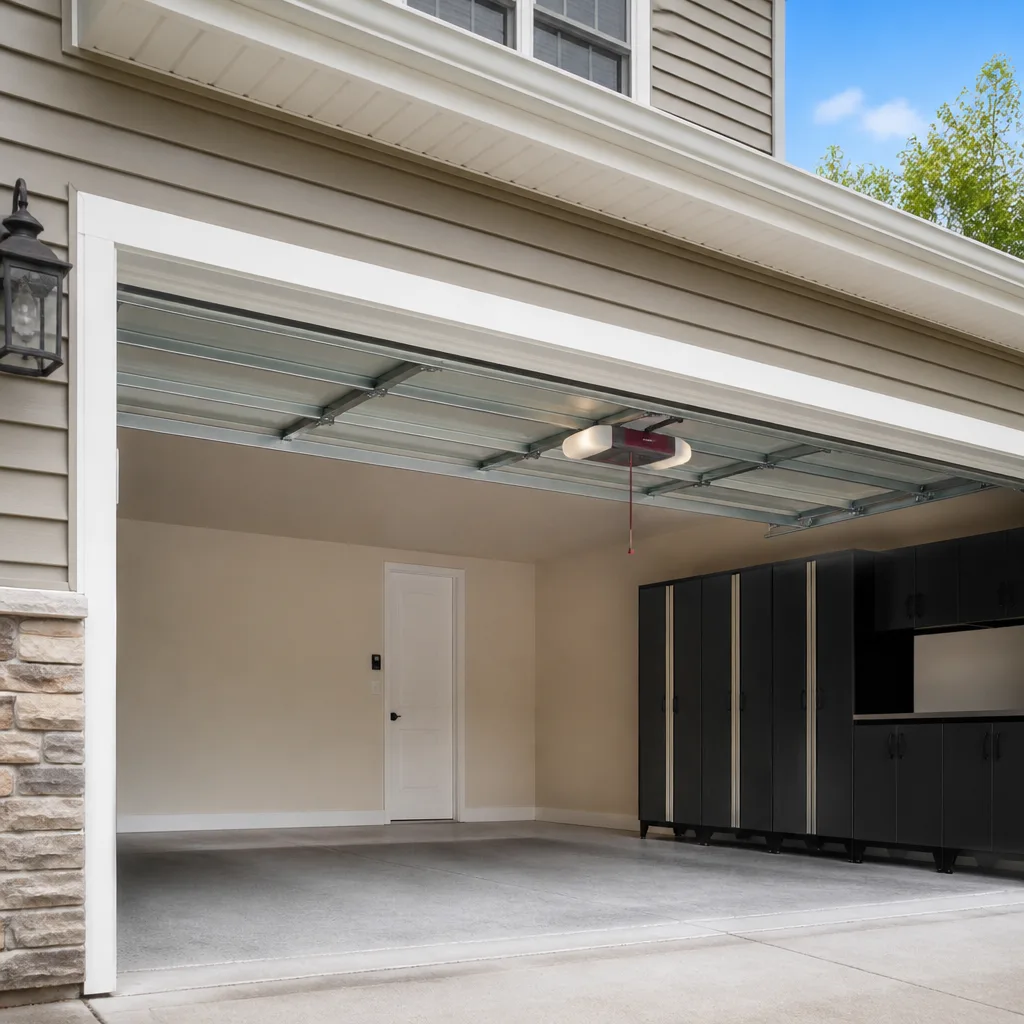 LiftMaster openers
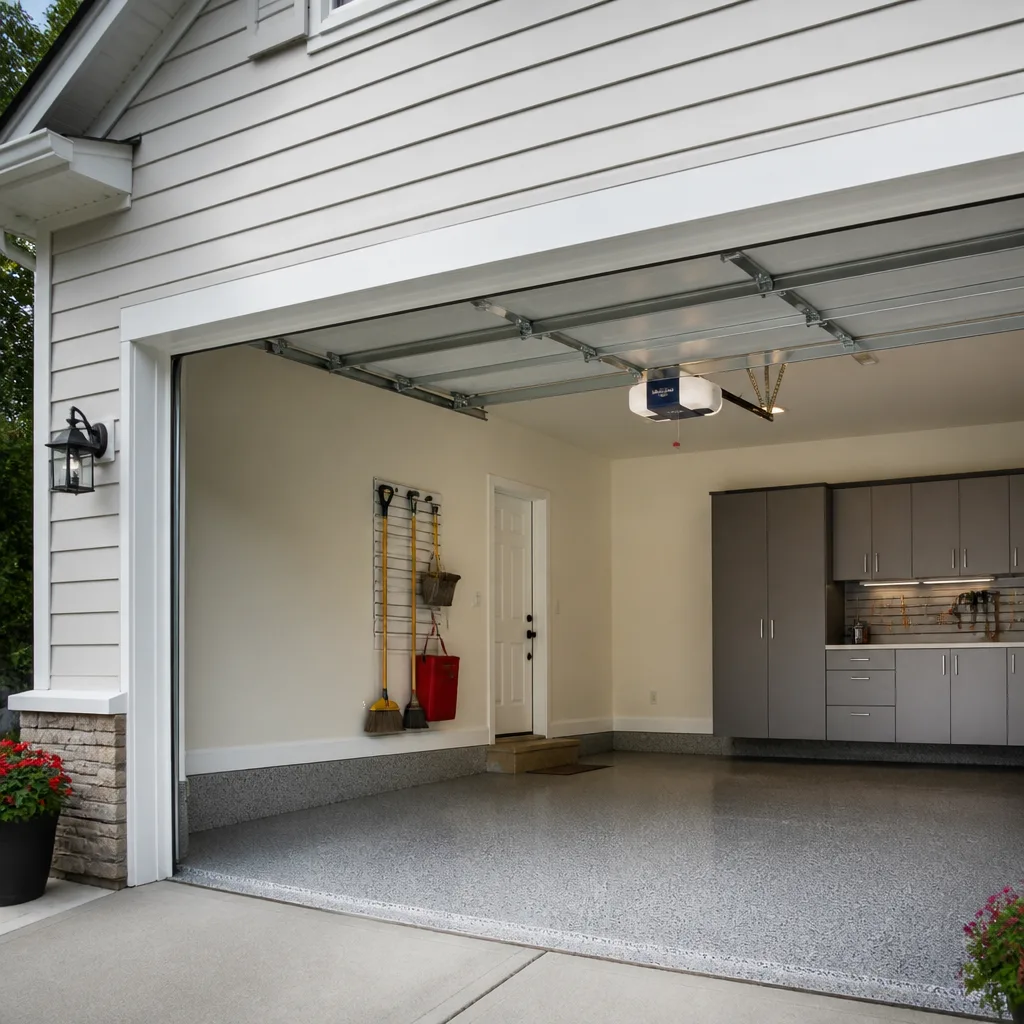 Chamberlain openers
Full 25-point door and opener safety check with every visit - springs, cables, rollers, tracks, and your LiftMaster or Chamberlain opener included
You get a price before we start. It does not change when the pro arrives.
Get your free estimateGarage Door Cost Breakdown: The Tracy Homeowner’s Reference for 2026
Two homeowners on the same Tracy street can get quotes of $900 and $1,600 for what both contractors call “garage door spring replacement,” and both quotes can be entirely honest. They’re describing two different scopes of work. One may cover a single spring on a builder-grade door; the other may cover a matched pair, new cables, bearing plates, and a full safety inspection. Neither contractor explained the difference, and that’s the problem. In this guide, we decode every line item in a Tracy garage door estimate for 2026 – from torsion springs and rollers to openers and full replacements – so you can compare price against scope instead of comparing bottom lines. We’ll also show you the five spec points every honest estimate should state, which add-ons are genuinely worth it, and how Tracy’s climate and housing stock shape what a job actually costs.
Styles & brands we work with
- Raised-panel steel
- Carriage house
- Modern flush
- Full-view glass
- LiftMaster openers
- Chamberlain openers
Quick Answer
Garage door work in Tracy in 2026 typically runs $180 to $340 for a single torsion spring replacement, $350 to $800 for a standard opener replacement, and $1,400 to $3,800 for a full single-door replacement, depending on brand tier and door material. A matched spring pair costs about twice a single spring. The written estimate you receive after an on-site measure is the final price, and the price is always quoted and agreed before any work starts.
Table of Contents
- What Do Individual Garage Door Components Cost in Tracy?
- Builder Grade vs. Mid vs. Premium: How Brand Tiers Shift the Price
- What Drives Labor Cost on a Tracy Job?
- How Much Does a New Opener Cost, and What’s Included?
- What Does “Full Replacement” Actually Include?
- How to Compare Two Garage Door Quotes Apples-to-Apples
- Total Cost of Ownership: Why a Cheaper Door Can Cost More
- Common Mistakes to Avoid
- When to Call a Professional
- Frequently Asked Questions
- The Bottom Line
What Do Individual Garage Door Components Cost in Tracy?
Component pricing is the foundation of any garage door estimate, and it’s where most quotes quietly diverge. Here’s a realistic range for Tracy in 2026, understanding that your written estimate is what sets the final price.
| Component | Typical Estimated Range (2026) | Notes |
|---|---|---|
| Torsion spring (single) | $180 – $340 | A matched pair is usually replaced together, so a pair costs roughly twice the single-spring range. |
| Extension spring (single) | $120 – $240 | Common on older builder-grade doors. |
| Cables (per side) | $90 – $180 | Often replaced with springs because of shared wear. |
| Nylon rollers (set of 10-12) | $100 – $220 | Quieter and longer-wearing than steel rollers. |
| Bottom seal / weatherstrip | $80 – $180 | Worth replacing in Tracy’s hot, dry summers. |
| Single panel (sectional) | $220 – $550 | Cost depends on material and matched profile. |
| Hinges (full set) | $80 – $160 | Wear item; usually part of a tune-up. |
| Drums and bearing plates | $120 – $280 | Frequently replaced during high-tension work. |
Two things sit behind every “high quote”: scope and safety work. A spring job done properly often includes re-tensioning, inspecting cables, and replacing bearing plates that have worn unevenly. Those parts aren’t padding – they’re what keeps the door from failing again in six months.
We see this repeatedly in Tracy: homeowners call for a spring replacement, and the reason it failed early is a worn bearing plate or a cable about to fray. When the tech opens the assembly and finds that, the honest thing is to quote the whole scope and explain why. If a quote looks lighter than others, ask what it doesn’t include.
For a full breakdown of how repair scope is diagnosed, see our page on garage door repair.
What about the door itself?
Panel and section replacement prices sit between component-level repair and full replacement. A single damaged section on a mid-grade door may cost $250 to $600. If the door is builder grade from the 1990s and two or three sections are damaged, the math often tilts toward replacing the whole door, because matching older profiles and colors gets expensive fast.
Builder Grade vs. Mid vs. Premium: How Brand Tiers Shift the Price
The brand and tier of your existing door matter as much as the part being replaced. We work on the actual hardware installed in your home, and we see three broad tiers in Tracy’s housing stock:
- Builder grade – the doors originally installed on tract homes. They’re lightweight, usually 25-gauge steel in simple raised-panel profiles. They’re economical to repair because parts are common, but they wear faster and insulate poorly.
- Mid-tier – doors with a heavier steel skin, better insulation, and sturdier hardware. Amarr and Wayne Dalton both make models in this band. Repairs cost a little more because sections are thicker and profiles are specific to the brand.
- Premium – carriage-house styles, wood, steel-backed insulated doors, and premium materials. A single replacement panel on a premium door may cost more than an entire builder-grade repair, and labor runs longer because tolerances are tighter.
Brand familiarity is what separates a confident diagnosis from guesswork. A tech who knows Amarr’s hinge profiles and Wayne Dalton’s torsion hardware doesn’t waste an hour improvising. That’s not a price difference you’ll see on paper, but it’s a difference you’ll see in the final labor line.
The brands we service and install on the door side include Amarr, Wayne Dalton, Clopay, and Raynor. On the opener side, we work with LiftMaster, Chamberlain, Genie, and Craftsman. Brand fluency isn’t a catch-all claim we make; it’s the specific set of hardware we know inside and out.
What Drives Labor Cost on a Tracy Job?
Labor is where two estimates with the same parts total can diverge by $300 or more. Here’s what genuinely moves the needle:
- Single vs. double door. A double-wide door carries roughly double the spring load and more panels to align. Expect more shop time and, in some cases, a second technician on high-tension work.
- Standard vs. high-lift track. Standard 7-foot doors are the baseline. High-lift setups (common in homes with taller ceilings or shop conversions) require different spring sizing, drum changes, and sometimes a new opener rail – all of which add labor.
- Opener integration. If your opener is a LiftMaster or Chamberlain with a modern logic board, wiring a new door into it is straightforward. If you’re adding a smart opener to a 20-year-old Craftsman unit, the integration can take longer.
- Track alignment and ceiling clearance. Low clearance and uneven ceilings cost time. That’s not upselling; it’s the reality of installing a balanced door.
- Age of hardware. Every fastener on a 25-year-old door is likely seized. Technicians budget for that, and the quote should say so.
What you should not see in labor: surprise fees added after the estimate. The price is set by the written estimate, agreed before any work starts, and that’s the price you’ll pay.
How Much Does a New Opener Cost, and What’s Included?
Openers are the second half of the system, and they’re frequently treated as an afterthought until they fail. In 2026, a standard opener replacement in Tracy typically runs $350 to $800 installed, depending on drive type and belt or chain system.
- Chain drive (LiftMaster, Chamberlain): $350 – $550. Louder, but reliable and common in Tracy homes.
- Belt drive (LiftMaster, Chamberlain, Genie): $450 – $700. Quieter, a better fit for bedrooms above the garage.
- Screw drive (Genie): $400 – $650. Low maintenance, but noisier than belt drive.
- Smart opener with Wi-Fi and battery backup (select Chamberlain, LiftMaster, Genie models): $550 – $800. Worth it if you want status monitoring or want the door to work during a power outage.
What should be included: removing the old unit, installing the new rail and motor, balancing the door, wiring the safety sensors, and testing the reverse mechanism. What often isn’t included: replacing the door’s springs if they’re also tired. That’s a separate line item, and it should be its own on the quote.
One point that catches homeowners: opener repair is not the same as opener replacement. A failing motor, stripped gear, or dead logic board is often repairable for less than half the cost of a new unit. We treat opener repair as a dedicated service, not an afterthought, because the door and the opener fail for different reasons. Our page on garage door opener repair covers the diagnostic path.
If your opener is failing and you need a technician now: call (855) 473-8941. We answer 24/7. Fast dispatch from 7am to 7pm, Sunday through Friday.
What Does “Full Replacement” Actually Include?
A full garage door replacement in Tracy in 2026 typically runs $1,400 to $3,800 for a single door, depending on material, insulation level, and brand tier. A double door sits higher. Here’s what a proper full replacement should include:
- Removal and disposal of the old door and, if needed, the old tracks.
- New door sections – steel, steel-backed insulated, or wood – matched to your opening.
- New torsion springs sized to the new door’s weight (this is where cheap quotes cut corners).
- New tracks (standard or high-lift), hinges, rollers, drums, and cables.
- New bottom seal and perimeter weatherstripping.
- Balance and alignment testing, plus a safety reverse check on the existing opener.
What gets added as an upsell: premium insulated sections, carriage-house styling, windows, high-lift track conversions, or a new opener to replace an aging one. Which of these are genuinely worth it? Insulation, if your garage shares a wall with a living space. High-lift track, if you’re converting to shop space. Windows, only if you want the look. A new opener paired with a new door is worth it if your current opener is more than a decade old and matched to a lighter door.
On the door side, we install and repair Clopay, Amarr, Wayne Dalton, and Raynor, which gives you real choices within each tier rather than a single option. For homeowners ready to move from repair to replacement, this is the point where we recommend a free on-site measure so the quote is based on your actual door, not a phone estimate.
How to Compare Two Garage Door Quotes Apples-to-Apples
This is the section to bookmark. Every estimate you receive should state five things explicitly. If any of the five is missing, ask – and don’t sign until it’s on paper.
- 1. Exact brand and model of every part. Not “torsion spring” but the manufacturer and wire size. Not “opener” but “Chamberlain B-series, chain drive.”
- 2. Scope line items. Every component being replaced, every component being left in place, and the reason.
- 3. Safety items. Whether the safety reverse is tested and whether the door is balanced after the work.
- 4. Disposal and removal. Who hauls off the old door, sections, and springs.
- 5. Total price and the words “estimate is final.” The number on the written estimate is what you pay; anything discovered later requires your approval first.
Compare the two-quote scenario from our opening that way. One contractor quoted a single spring and labor. The other quoted a matched pair, cables, bearing plates, disposal, and a safety check. The second isn’t trying to upsell; it’s quoting the job that will hold. If the first quote had stated “single spring only, cables not inspected,” you’d have been able to see the difference in thirty seconds.
We work from the actual hardware, and we’d rather explain why a scope is bigger than have a homeowner find out three months later. That’s why our estimates name the brand and model, list what’s being replaced, and note what isn’t.
Total Cost of Ownership: Why a Cheaper Door Can Cost More
The door with the lowest sticker price is rarely the cheapest over five years. In Tracy’s climate – hot, dry summers and mild winters – the cost of ownership breaks down into materials, service calls, and energy.
A builder-grade door with a lighter steel skin and average rollers is cheaper at installation by perhaps $200 to $400. But lighter doors flex more, and flexing doors put more load on springs. Cheaper steel rollers wear flat sooner. Thin weatherstripping lets the heat in, and a door that lets heat into an attached garage makes the room above it harder to cool. Over five years, the repair and replacement frequency can add $300 to $400 more in parts and labor than a mid-tier door with nylon rollers and a better bottom seal.
Insulation is the other quiet cost. If your garage shares a wall with the house, a non-insulated door in Tracy’s summer heat drives up cooling bills. An insulated mid-tier door costs more upfront and less in operation. We’re not telling you to buy the most expensive door; we’re telling you to look at the five-year number, not just the installation number, when you’re comparing.
There’s a service angle too. When the same company installs your door and services its opener later, you don’t have to re-explain the history to a new contractor, and no one blames the other system. One call covers it. That has a value you won’t find on a line-item quote, but it’s real.
Common Mistakes to Avoid
- Comparing bottom-line totals without comparing scope. Two quotes for “spring replacement” at different prices may be quoting different parts. Ask for the five spec points before you compare.
- Accepting a phone estimate for a full replacement. A door replacement needs an on-site measure. A phone quote is a ballpark, and the written estimate after the measure is the real number.
- Letting a general handyman work on torsion springs. High-tension springs store serious energy and can cause severe injury if handled without the right tools and training. Use a trained garage door technician – this is not a job to attempt yourself.
- Ignoring the opener when replacing a door. A new door weighs more or less than the old one, and your opener’s force settings may no longer match. Verify the opener is adjusted for the new door.
- Assuming Tracy’s mild winters mean no maintenance. Hot, dry summers dry out seals and belts faster than cold does. A yearly visual check of seals and cables saves bigger repair bills.
- Skipping the disposal line item. If disposal isn’t on the quote, ask who hauls the old door. It’s a real cost and shouldn’t appear as a surprise add-on.
- Choosing a door brand your installer doesn’t normally work with. Brand fluency matters. A door the installer handles weekly will be adjusted better than one they see twice a year.
For homeowners comparing repair versus replacement, our guide on Tracy garage door service covers how we think about that decision on a local basis.
When to Call a Professional
Some things are maintenance. Others are a call. You should call a trained technician when a torsion spring breaks (the door won’t lift or one corner lifts unevenly), when the door closes crooked or binds on one side, when the opener runs but the door doesn’t move, when you hear a loud snap or grinding, when the safety reverse fails the test, or when cables look frayed. Spring, cable, and track work is high-tension and dangerous – don’t attempt it yourself. For opener issues, a diagnostic visit distinguishes a repairable board or gear from a full replacement. We work on the actual hardware across eight major brands, including LiftMaster, Chamberlain, Genie, Craftsman, Clopay, Amarr, Wayne Dalton, and Raynor, so a tech arrives knowing your system. Tracy Garage Door Service offers free estimates in Tracy – call (855) 473-8941. We answer 24/7. Fast dispatch from 7am to 7pm, Sunday through Friday.
Frequently Asked Questions
A single-door replacement in Tracy typically runs $1,400 to $3,800 in 2026, depending on material, insulation, and brand tier; a double door runs higher. The number on your written estimate after an on-site measure is the price you’ll pay. Call (855) 473-8941 for a free measure and written quote.
Because they often describe different scopes: one may cover a single spring, the other a matched pair plus cables, bearing plates, and a safety check. Compare the parts list and scope, not the total. A matched pair costs about twice a single spring. Call (855) 473-8941 and we’ll explain exactly what your job needs.
Often yes, if the opener is more than a decade old or sized for the old door. A new door changes the load, and a tired opener works harder. If your opener is recent and can be re-tensioned for the new door, keep it. Call (855) 473-8941 for an honest recommendation.
Hot, dry summers wear down seals, cables, and belt drives faster than cool climates do. A yearly check of the bottom seal and cables, plus proper lubrication, is the single biggest cost saver. A mid-tier insulated door also reduces the heat load on attached garages. Call (855) 473-8941 to schedule a tune-up.
Our technicians are experienced and work across the eight major brands we serve; we’ll confirm licensing and insurance details with you before any work begins. Our technicians have up to 14 years of experience. Call (855) 473-8941 with questions about credentials.
No – the price is quoted and agreed before any work starts. If we discover something during the job, we’ll explain it and get your approval before doing anything extra. What’s on the written estimate is what you pay. Call (855) 473-8941 for a free estimate.
The Bottom Line
Garage door cost in Tracy in 2026 comes down to scope, not just the bottom line. A single spring runs $180 to $340; a matched pair about twice; a standard opener $350 to $800; a full single-door replacement $1,400 to $3,800. Compare quotes by asking for five things – exact parts, scope line items, safety work, disposal, and a total that’s final – and check the five-year cost, not just the install price. When you need a tech who knows your brand, call the team at Tracy Garage Door Service at (855) 473-8941. Estimates are free.
Written by the team at Tracy Garage Door Service.
See the difference
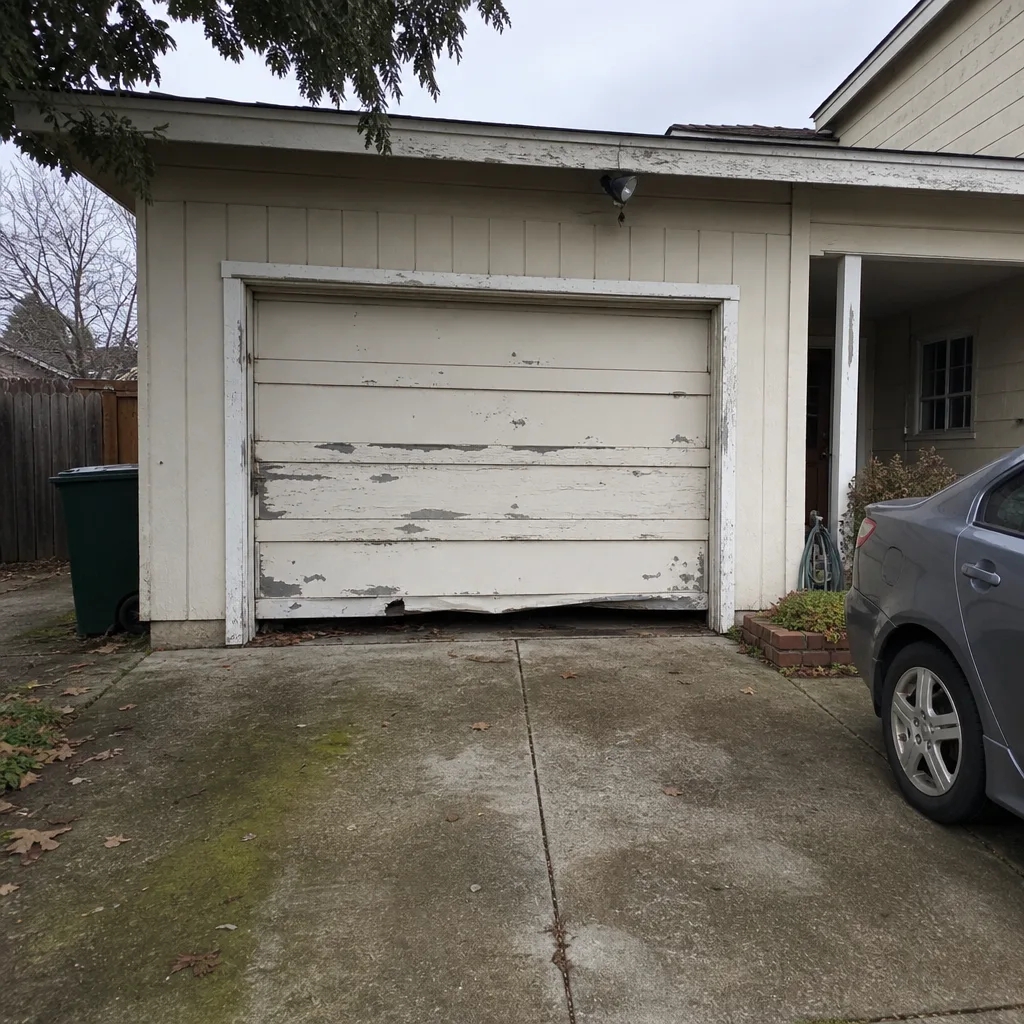 Before
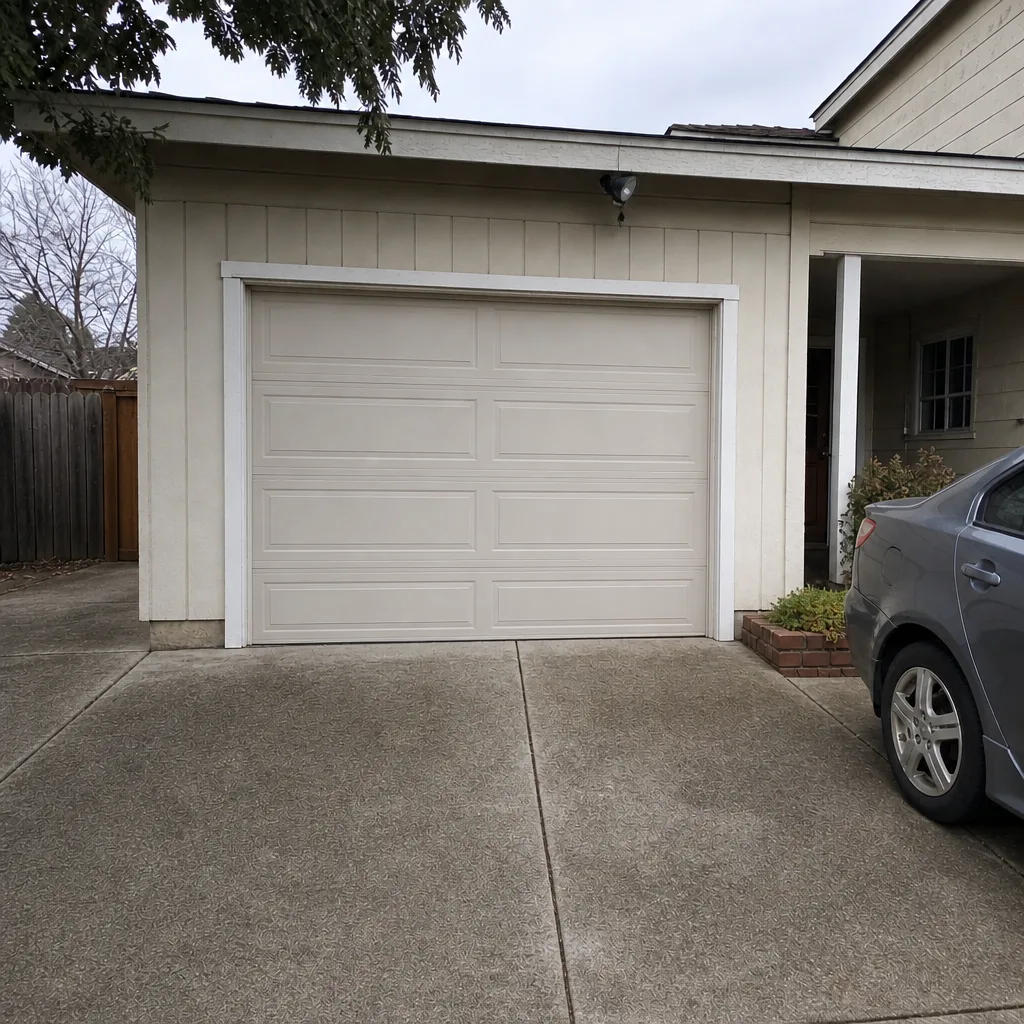 After
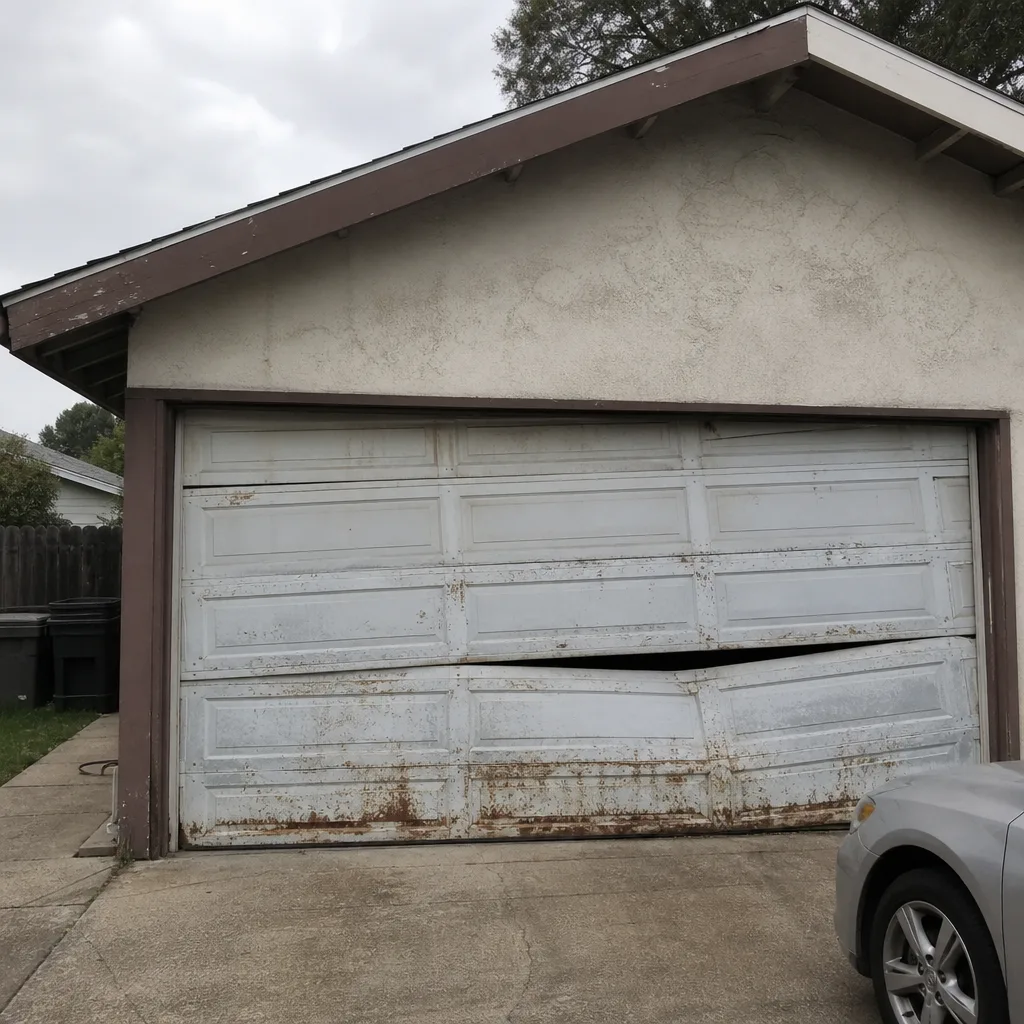 Before
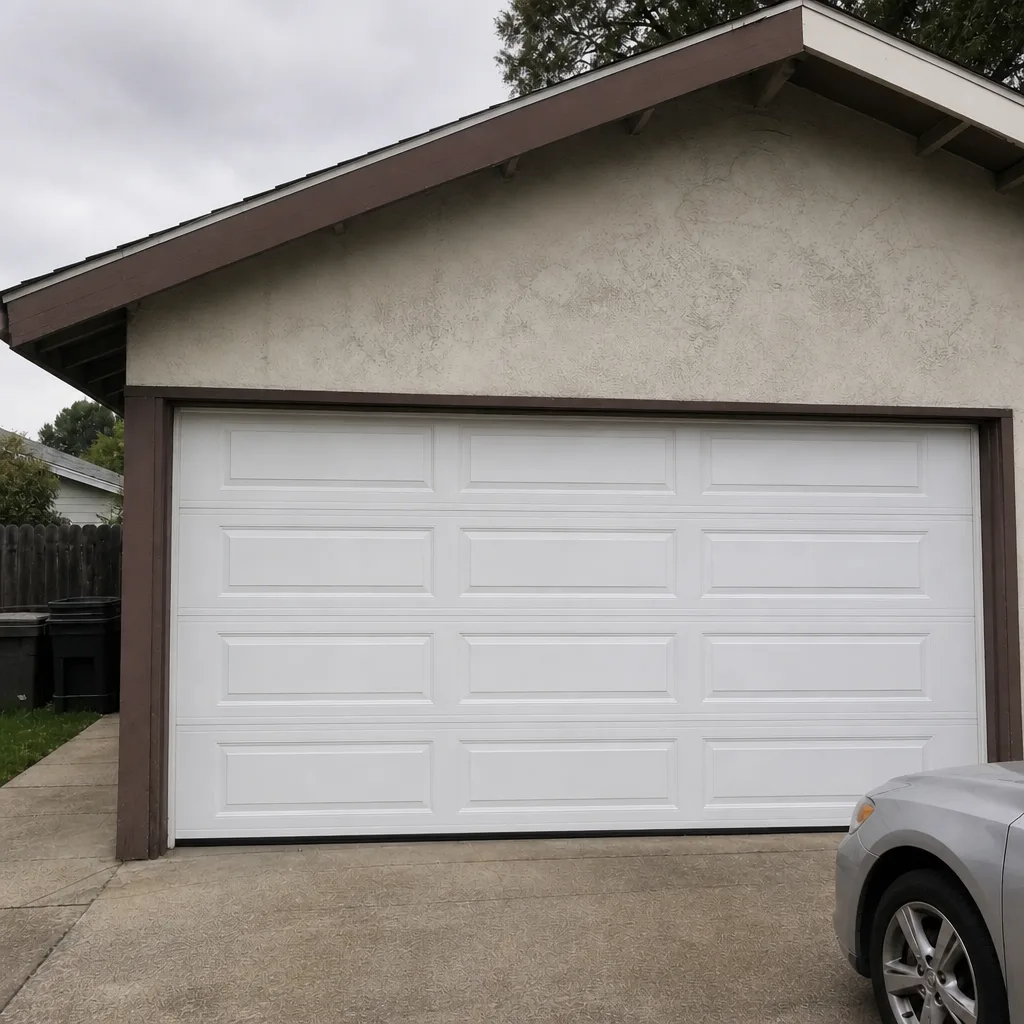 After
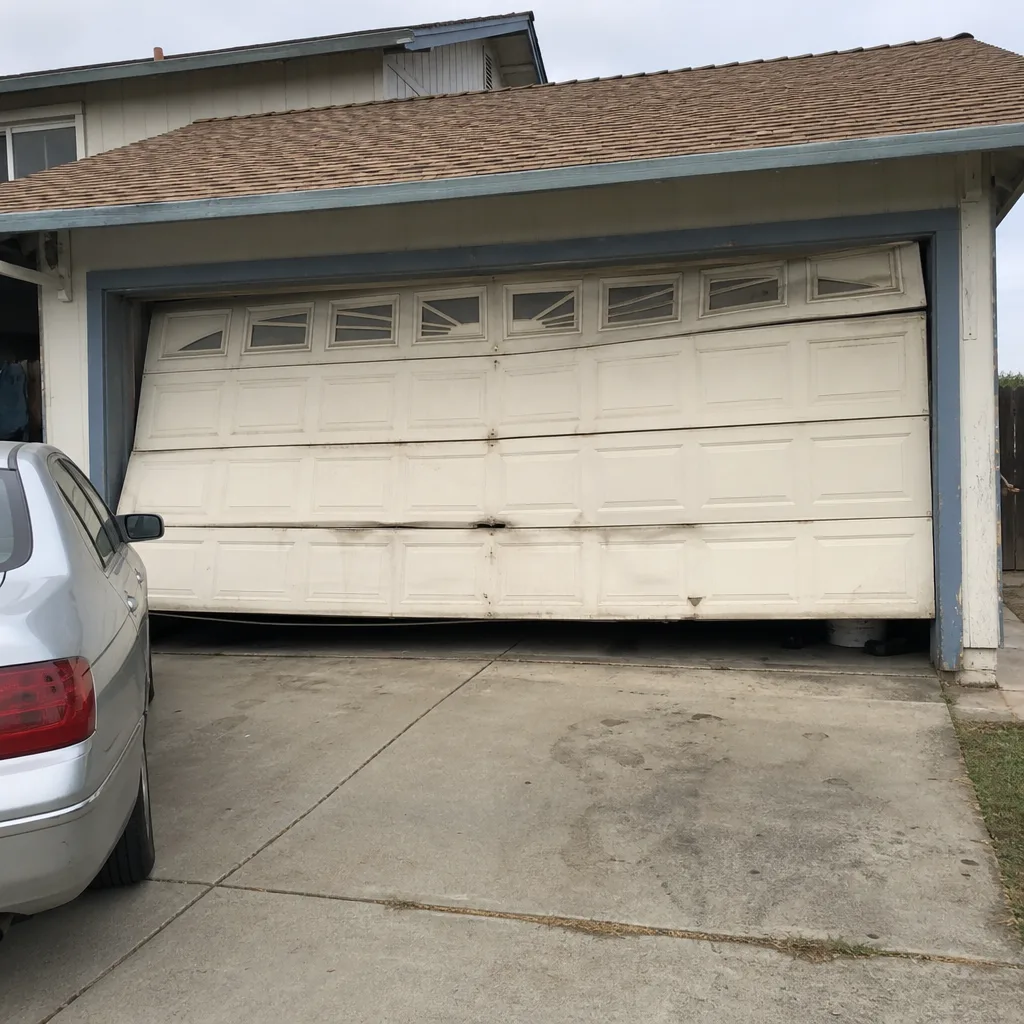 Before
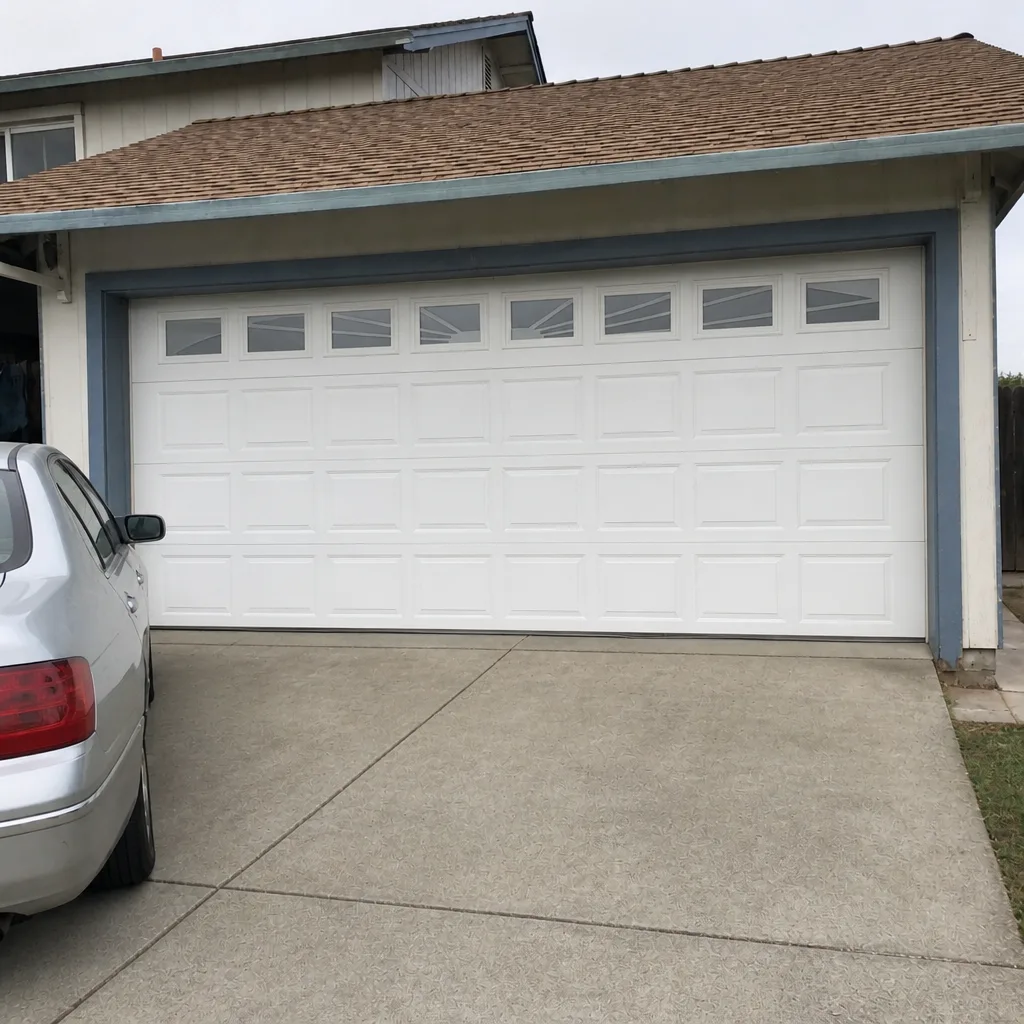 After