
Last updated November 15, 2026
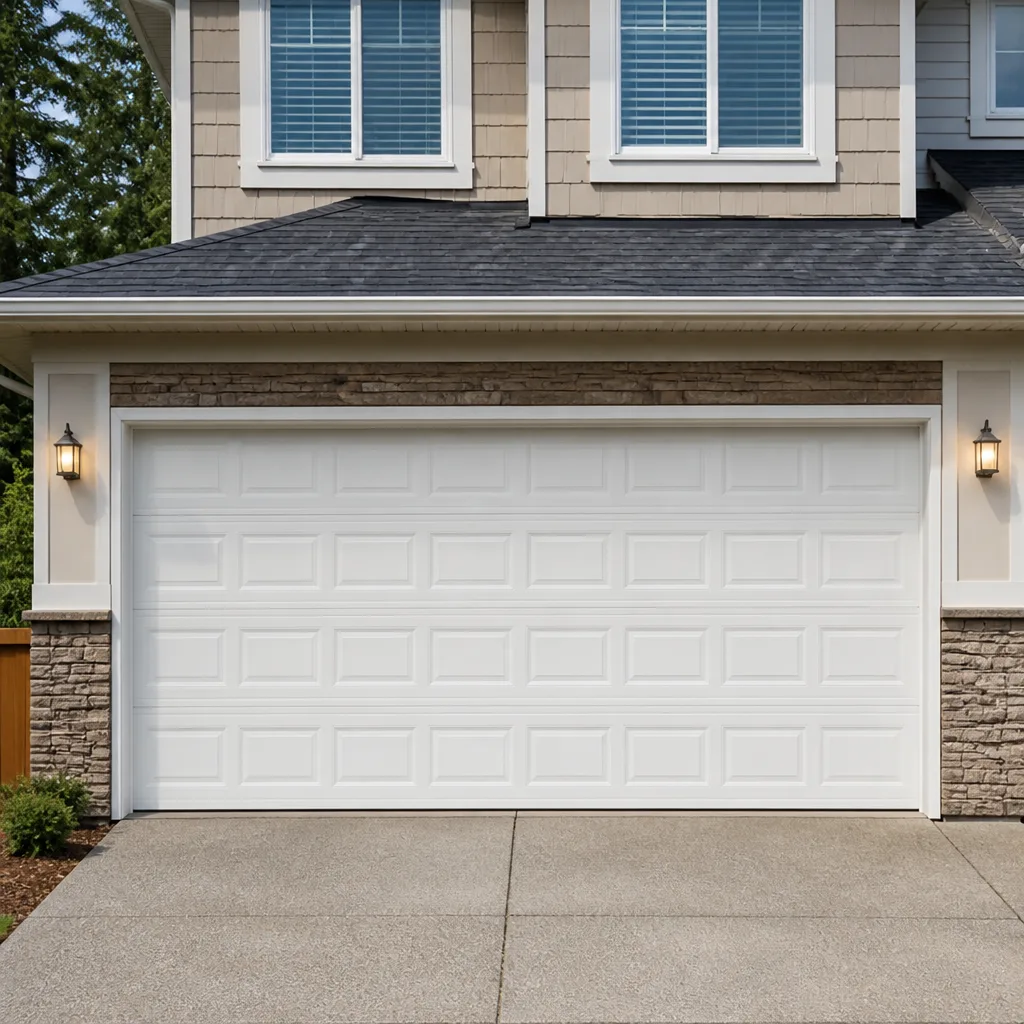 Raised-panel steel
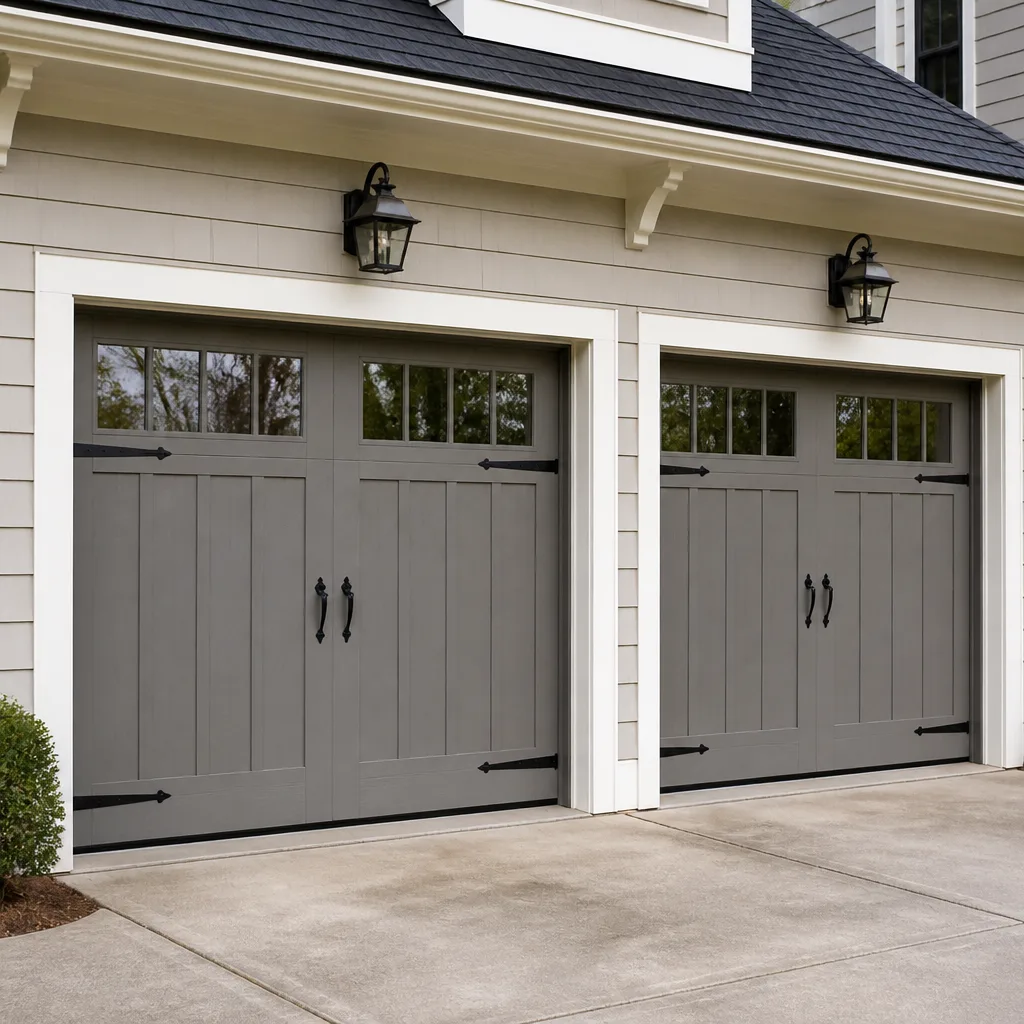 Carriage house
 Modern flush
 Full-view glass
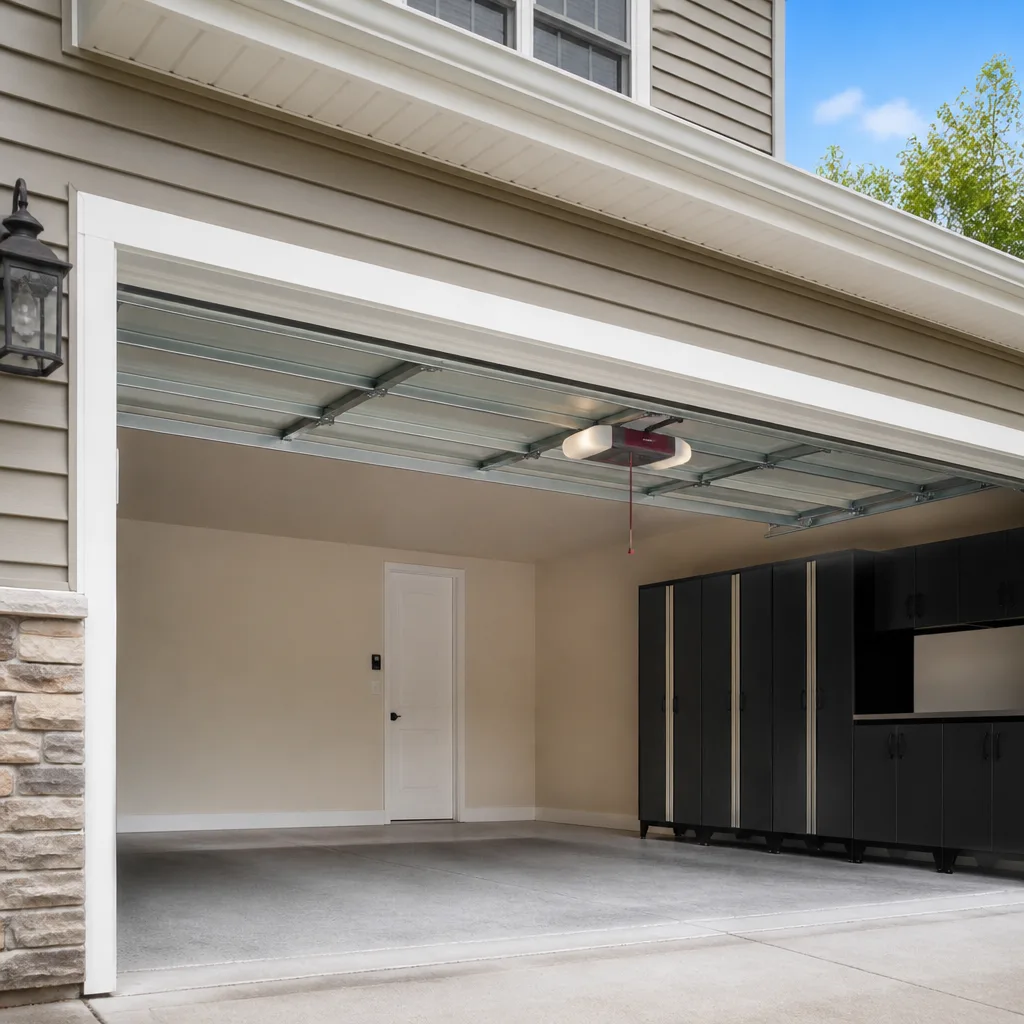 LiftMaster openers
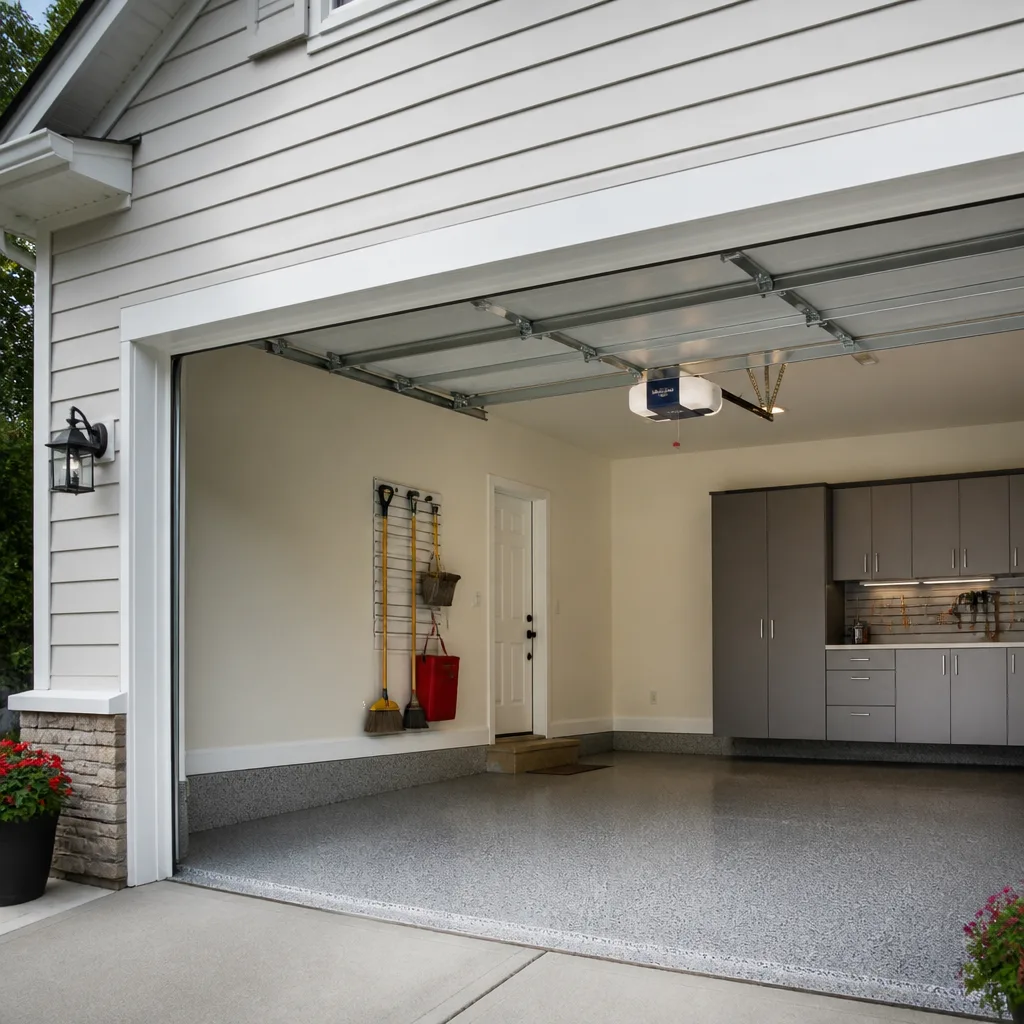 Chamberlain openers
Full 25-point door and opener safety check with every visit - springs, cables, rollers, tracks, and your LiftMaster or Chamberlain opener included
You get a price before we start. It does not change when the pro arrives.
Get your free estimateGarage Door Emergency Preparedness Guide for Tracy Homes
Most homeowners assume the garage door will open when they need it. Then the power drops during a Diablo wind event, the opener goes dead, and someone stands in front of a sealed garage with no idea where the emergency release cord hangs or how to pull it. That’s not a small annoyance in a place where the car is the way out. Tracy sits in earthquake country and in the wildfire smoke corridor, and the grid here goes down during summer heat events and winter storms alike. A door you can’t open by hand becomes a vehicle problem and an evacuation problem at the same moment. This guide walks through the manual release on every major opener brand, how to re-engage the drive afterward, earthquake-specific door concerns, battery backup performance in Tracy heat, and a household emergency card that lets any family member act without being told what to do.
Quick Answer
Every automatic garage door opener has a manual release that lets you lift the door by hand when power fails, but the release works differently depending on the brand and how your door is balanced. Before an emergency, find your release cord, test it once with the door closed, confirm you can lift the door, and then re-engage the drive so the opener takes over again. In Tracy, earthquake and wildfire-season outages make this test worth doing now rather than during a blackout.
Styles & brands we work with
- Raised-panel steel
- Carriage house
- Modern flush
- Full-view glass
- LiftMaster openers
- Chamberlain openers
Table of Contents
- Why Garage Door Preparedness Matters in Tracy
- How to Release Your Garage Door Manually: Step by Step
- Release Cord Differences Between LiftMaster, Chamberlain, and Genie
- How to Re-Engage the Automatic Drive After Manual Use
- Earthquake Concerns: When the Frame, Not the Opener, Is the Problem
- Battery Backup Openers and Tracy Heat
- Building a Household Emergency Card for the Garage
- When to Call a Professional
Why Garage Door Preparedness Matters in Tracy
Tracy’s geography sets up a specific kind of garage door risk that most preparedness advice skips. The region is earthquake country, so a moderate quake can shift a door track or rack a frame without any visible damage to the house. The region is also in the wildfire smoke corridor, which means poor air quality days when you want the house sealed and the car staged. And the grid goes out here during both summer heat events and winter storms. Each of those scenarios has one thing in common: you need the garage door to work when the power is out or the structure has moved.
An automatic opener doesn’t help in any of those moments. It’s a motorized convenience bolted to the ceiling, and when the electricity stops it becomes dead weight holding the door shut. What saves you is the manual release: a cord or lever that disconnects the door from the opener’s drive so you can lift it with your own hands. The catch is that the release only works if the door itself is sound and balanced, and most homeowners have never tested it once.
We’ve seen this play out across Tracy neighborhoods where the garage is the primary exit. If your household has two cars and one driveway, a dead opener can block both. If someone in the house uses a mobility aid, the front door may not be practical as an alternate route. Preparedness here means knowing your release, testing it, and having a card posted that explains it to everyone else in the house. That’s the whole guide in miniature, and the sections below fill in the details for your specific opener and door. Our Tracy Garage Door Service team works on these systems every week, and the questions homeowners ask after an outage always come down to the same handful of gaps.
How to Release Your Garage Door Manually: Step by Step
The manual release procedure is the same idea on every brand, but the steps matter in order because a door that’s disengaged at the wrong time can drop or bind. Read through the sequence once before you try it, and do the first test with the door in the closed position so there’s no stored tension in play.
- Stand clear of the door’s path and make sure no one is underneath. The door travels on springs under tension, and a released door can move suddenly if something is off.
- Locate the release cord or lever. On most residential openers it hangs from the trolley that rides the center rail. On LiftMaster and Chamberlain it’s typically a red handle; on Genie it’s often a red T-handle or a cord with a tag. Familiarize yourself now so you don’t hunt for it in the dark.
- Pull straight down on the cord, not sideways. The pull releases the trolley from the drive. You should hear or feel a click.
- Lift the door slowly by hand using the bottom panel handle. A properly balanced door lifts with modest effort. If it feels heavy or binds, stop and don’t force it.
- Lower the door gently. Let it close under control. Don’t let it drop.
- Note what happened. If the door lifts easily and closes smoothly, your door is balanced and ready for the next outage. If it fights you, the springs, cables, or tracks need attention before you can count on the manual release.
Safety caveat worth stating plainly: the springs and cables above your door are under high tension, and a failing spring can cause serious injury if you try to adjust it yourself. Never attempt to repair or tension a spring or cable. That’s trained-professional work. The manual release is safe to pull; the spring system is not safe to touch.
The other reason to practice this now is that the release cord can hang out of reach or behind stored items. In a real outage at night, in smoke haze, or after a tremor, you don’t want to be searching. Test it once, then make sure the path to it is clear. If you find the door hard to lift or the release won’t engage, that’s a job for a pro, and our garage door repair team can check the balance and hardware before you need them in a hurry.
Release Cord Differences Between LiftMaster, Chamberlain, and Genie
The three opener brands most Tracy homes have installed handle the manual release slightly differently, and knowing which one you own shortens the search in the dark. All three disconnect the door from the drive the same way in principle, but the location and hardware differ.
- LiftMaster: Almost always a red release handle hanging from the trolley on the center rail. When you look up, the trolley is the carriage that slides back and forth. The handle usually hangs about six feet down, but it can be tied short or tangled if nobody has looked at it in years.
- Chamberlain: Also a red handle from the trolley, nearly identical hardware to LiftMaster since they share engineering lineage. The difference is in the trolley shape on some models, so the release may sit slightly off-center from the rail.
- Genie: Genie openers often use a red T-handle or a cord with a tag. Some models route the release from a different point on the carriage, so the handle may not hang in the same spot you’d expect from a LiftMaster. Check it once and note where it lands.
The variation across brands is one reason we keep brand fluency front and center. We work on LiftMaster, Chamberlain, and Genie openers as dedicated opener work, alongside doors from Clopay, Amarr, Wayne Dalton, and Raynor. Door manufacturers and opener manufacturers are separate systems, and they fail for different reasons. A door that won’t lift by hand and an opener that won’t respond are two different diagnoses, even when they show up in the same garage.
For Tracy homeowners with a Genie, in particular, the release location is worth checking before the next outage because the carriage geometry isn’t the same as the LiftMaster and Chamberlain pattern. When you find it, mark it. A piece of bright tape on the release hardware makes it findable in low light. If the cord is missing, jammed, or the release won’t click, our garage door opener repair team can restore it. A door that can’t be released manually is a door that traps the car during the next power event, which is why this is one of the few repairs we treat as more than cosmetic.
How to Re-Engage the Automatic Drive After Manual Use
This is the step most homeowners skip. After you lift or lower the door by hand, the trolley is disconnected from the drive. If you simply press the wall button hoping the opener takes over, the motor runs but the door doesn’t move, or the door moves partway and stops. That’s not a broken opener; that’s a disconnected one. Re-engaging the drive is a physical action, and it’s the same rough procedure on all three brands.
- Close the door fully by hand. The door needs to be in the down position for the trolley to line back up with the carriage.
- Press the wall button or remote once while standing next to the door. The opener’s motor will run and the carriage will travel toward the trolley. You’ll hear the motor cycle.
- The trolley and carriage should snap back together. On most designs they self-engage when the carriage meets the trolley. You’ll hear a click as they lock.
- Test by pressing the wall button again. The opener should now lift the door automatically. If it does, you’re re-engaged and done.
- If it doesn’t lock, pull the release cord again and reset the door by hand, then repeat. Sometimes the carriage approaches at the wrong angle. Giving it a second pass usually fixes it.
There’s a variant on some older Genie and LiftMaster models with a lever-style release rather than a cord. For those, the re-engage step is sometimes a manual flip of the lever back into the locked position after the door is closed. Check the label inside the opener housing if you’re unsure which style you have.
Once you’ve re-engaged, run the door up and down twice with the opener. Listen for anything rough or uneven. A door that was balanced before manual use should still be balanced. If it’s no longer lifting smoothly, the release tested fine but something in the door itself needs attention, and that’s the point to call in a specialist rather than keep cycling a binding door. Our technicians have up to 14 years of experience with the drive-side and door-side hardware, and diagnosing which side is failing is half the work.
Earthquake Concerns: When the Frame, Not the Opener, Is the Problem
Everywhere else, the manual release is the whole story. In Tracy, it’s not. A fault can move a door frame without you seeing a single crack in the drywall, and when that happens, the manual release doesn’t help because the door is physically jammed in the guides. A racked frame can bind a door so it won’t lift by hand and won’t open with the opener, and cycling it anyway risks damaging tracks, panels, and spring tension.
After any notable tremor, here’s what to check before you try to operate the door:
- Look at the tracks on both sides. The vertical tracks should be parallel and evenly spaced from the door panels. If one is bent or bowed, the door will bind.
- Check the gap between the panels and the frame. A door that rubs on one side or has a wide gap on the other suggests the frame has shifted.
- Look at the header and center bearing plate. Any visible separation between the garage frame and the structure above it warrants a professional inspection before you run the door.
- Try to lift the door by hand, with the release pulled, slowly. If it moves freely, the tracks are likely sound. If it fights at all, stop.
If anything above looks off, don’t cycle the door with the opener repeatedly. A door forced against a racked frame can tear tracks out and damage the torsion system, which turns an inspection into a repair. Call a technician to inspect the frame and re-align the hardware before you operate the door again.
The good news is that a properly installed door with quality hardware handles minor tremors without drama. If your door has been binding on one side for months or the tracks look slightly bowed from a prior quake, that’s worth getting looked at in calm weather. Our Tracy team handles exactly that check. We’d rather inspect a door and tell you the frame is fine than have you discover it isn’t during the next evacuation order.
Battery Backup Openers and Tracy Heat
Battery backup openers are one clear answer to power outages: they let the door operate for a limited number of cycles when the grid drops. The LiftMaster and Chamberlain systems with battery backup are common installs, and they do what they promise in moderate conditions. Where homeowners get surprised is in the heat. When the garage interior climbs above 90°F during a Tracy summer, battery performance across brands begins to drop. Capacity, reserve cycles, and how quickly the battery recharges all suffer, and a battery that worked fine in spring may give you fewer openings in August.
This doesn’t mean battery backup is a bad idea. It means the battery needs attention.
- Check the battery indicator on the opener head unit. Most LiftMaster and Chamberlain backup units show a status light. Any warning indicator means the battery should be replaced before the next heat wave.
- Test the door on battery power once before fire season. Pull the breaker on the opener, operate the door a couple of times, then restore power. If it cycles normally, the battery is healthy.
- Don’t rely on the battery as your only plan. Backup batteries are for a limited number of cycles and a limited hold time. Keep the manual release plan as your primary method.
- Watch the garage temperature. A small thermometer in the garage tells you what the opener is actually seeing on a hot afternoon. If summer garage temps stay above 90°F most days, expect shorter backup battery life.
When a battery fails early, the failure is usually heat and age, not a bad unit. If you’re not sure how old your battery is or whether your model still supports a replacement, our team can check the system and tell you. This is the kind of detail most people miss in a backup opener, and it’s exactly why we treat opener repair as its own discipline rather than an afterthought to door work.
Building a Household Emergency Card for the Garage
Preparedness fails when only one person in the household knows the procedure. The fix is simple: a small card, laminated or in a plastic sleeve, posted inside the garage near the door to the house, plus one inside the house by the door that leads to the garage. When power fails or a tremor happens, anyone in the household can act without calling for instructions.
Here’s what the card should include:
- Opener brand and model. Write down the brand (LiftMaster, Chamberlain, Genie, or whichever you have) and the model number from the label inside the opener housing.
- Where the release cord is. A short line describing its location, for example: “Red handle hanging from trolley on center rail, about 6 feet up.”
- How to re-engage. A one-line reminder: close door by hand, press wall button, hear the click, test.
- Where the manual override for the door lock is, if you have one. Some doors have a slide lock or manual deadbolt that must be open before manual operation.
- A note about the spring system. “Do not touch springs or cables. Call a professional.”
- The phone number for service. Have a repair number written down in case the release won’t work or the door is binding.
- Alternate exit. Name the secondary exit from the house in case the garage is unusable.
Keep the card at eye level, in clear view, and readable without a flashlight. If you have family members who don’t read English fluently or who are visually impaired, consider adding a simple diagram of the opener showing the release location. The goal is one glance, one action, no guessing.
Update the card if you change the opener or battery, and review it with everyone in the household once a year. The card does more for garage door readiness than most homeowner to-do lists, and it costs almost nothing to make. If you want a check on your door’s manual release and re-engagement, we can look at it during a routine service visit and write the specifics onto your card. Call (855) 473-8941 to set up a free estimate.
See the difference
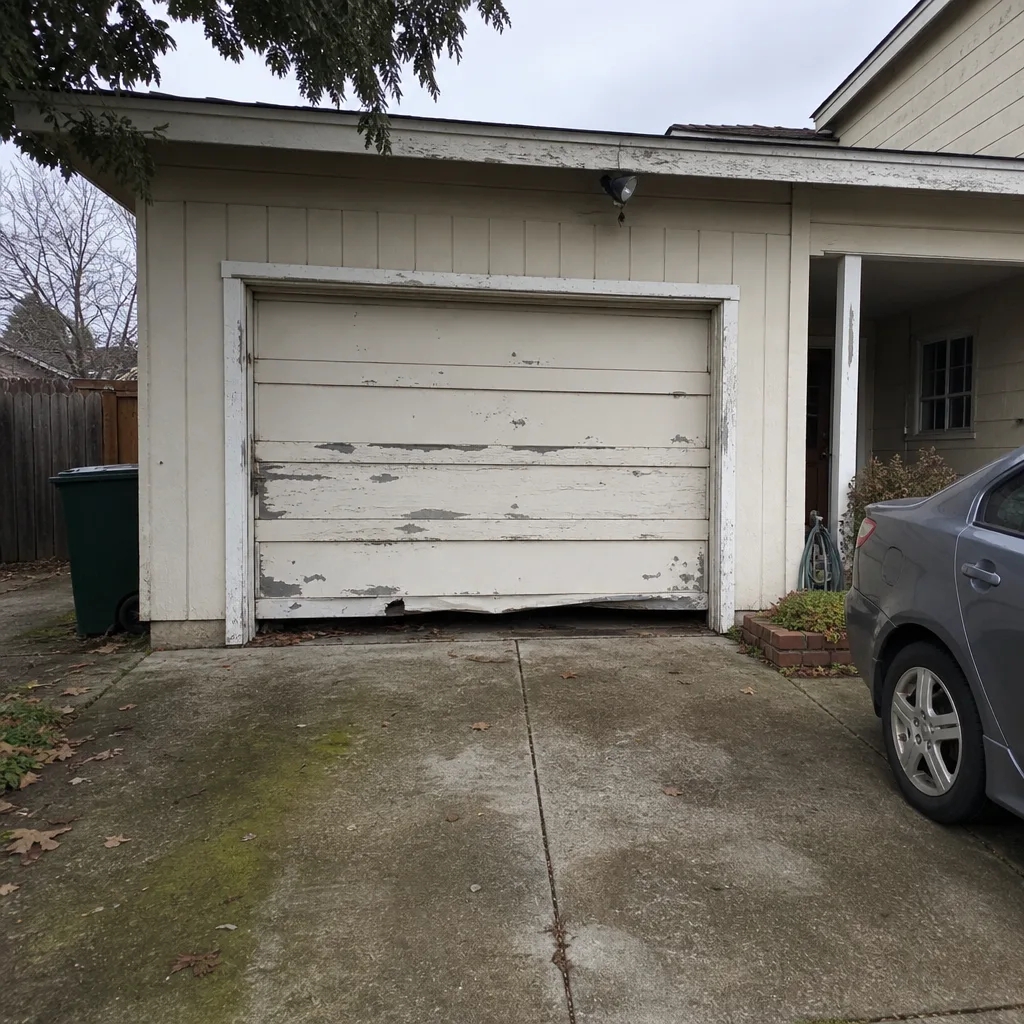 Before
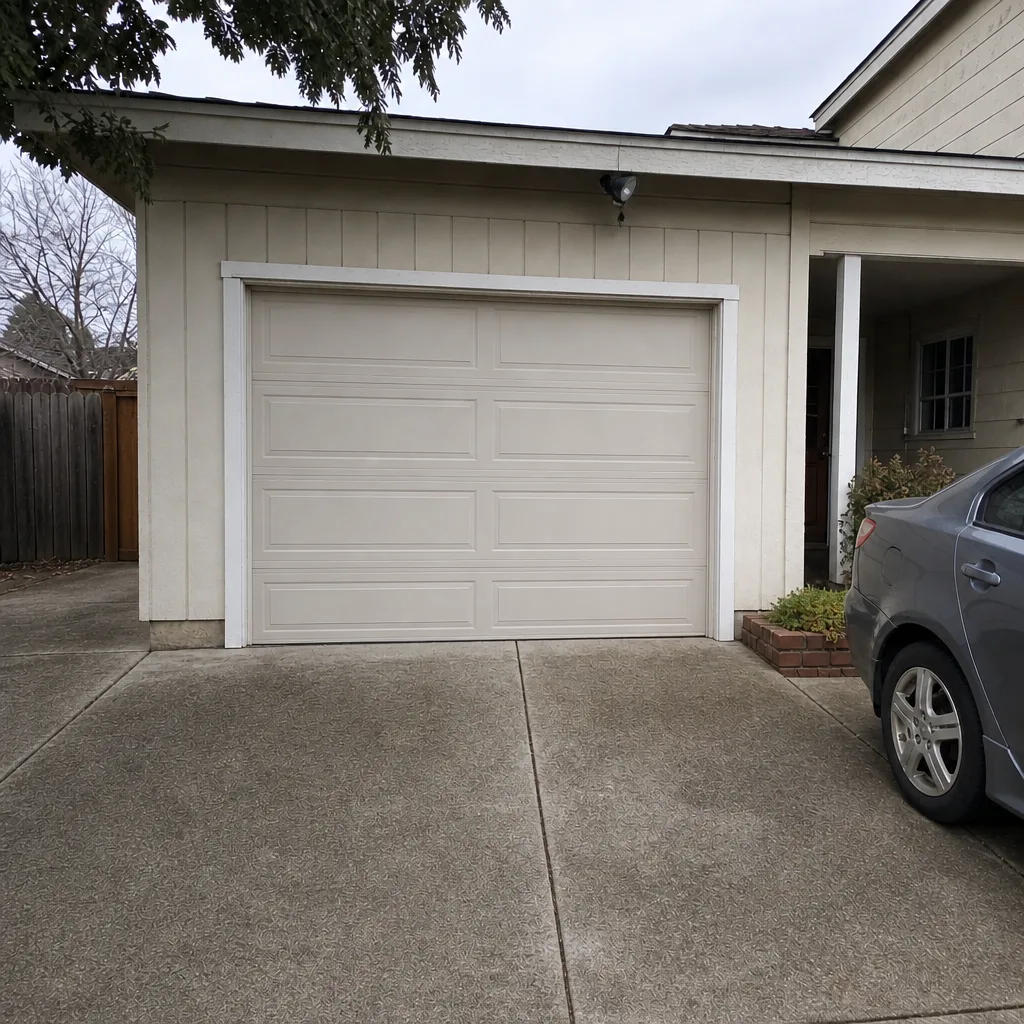 After
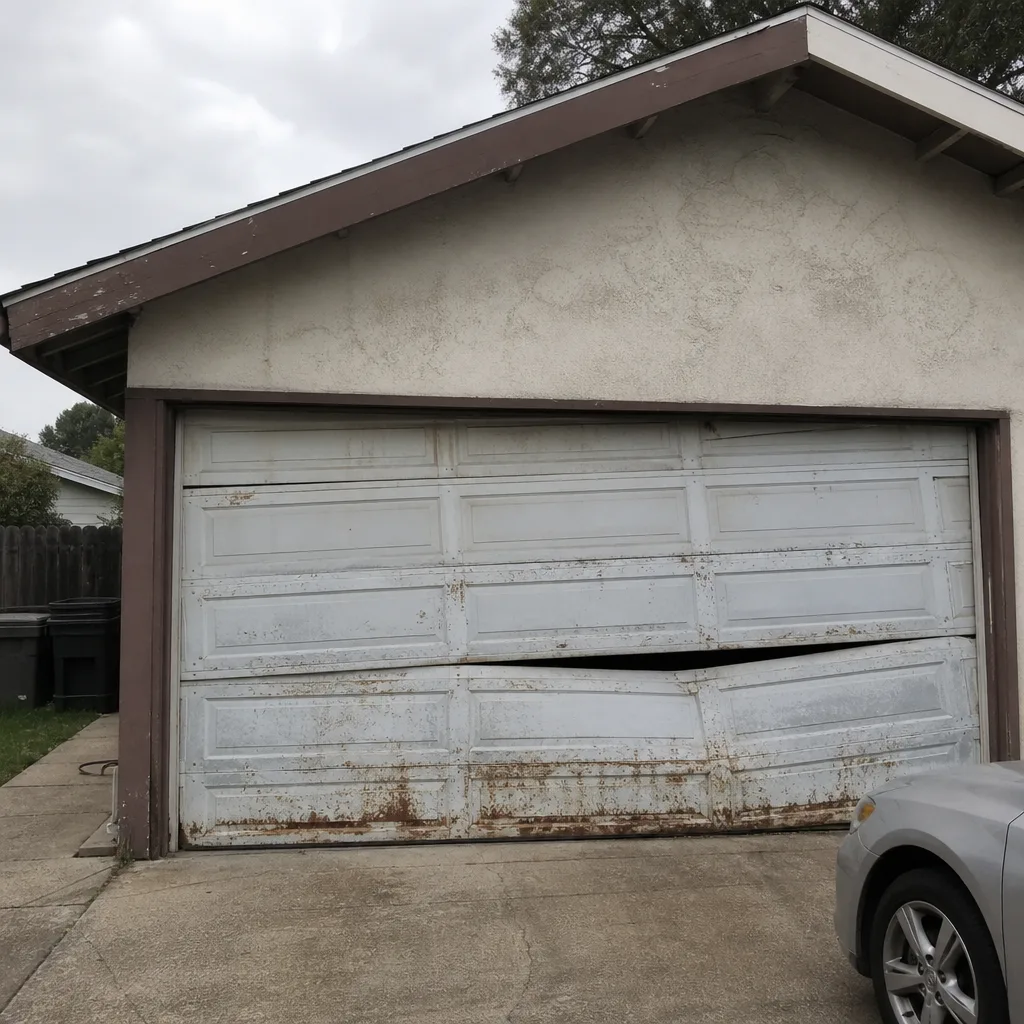 Before
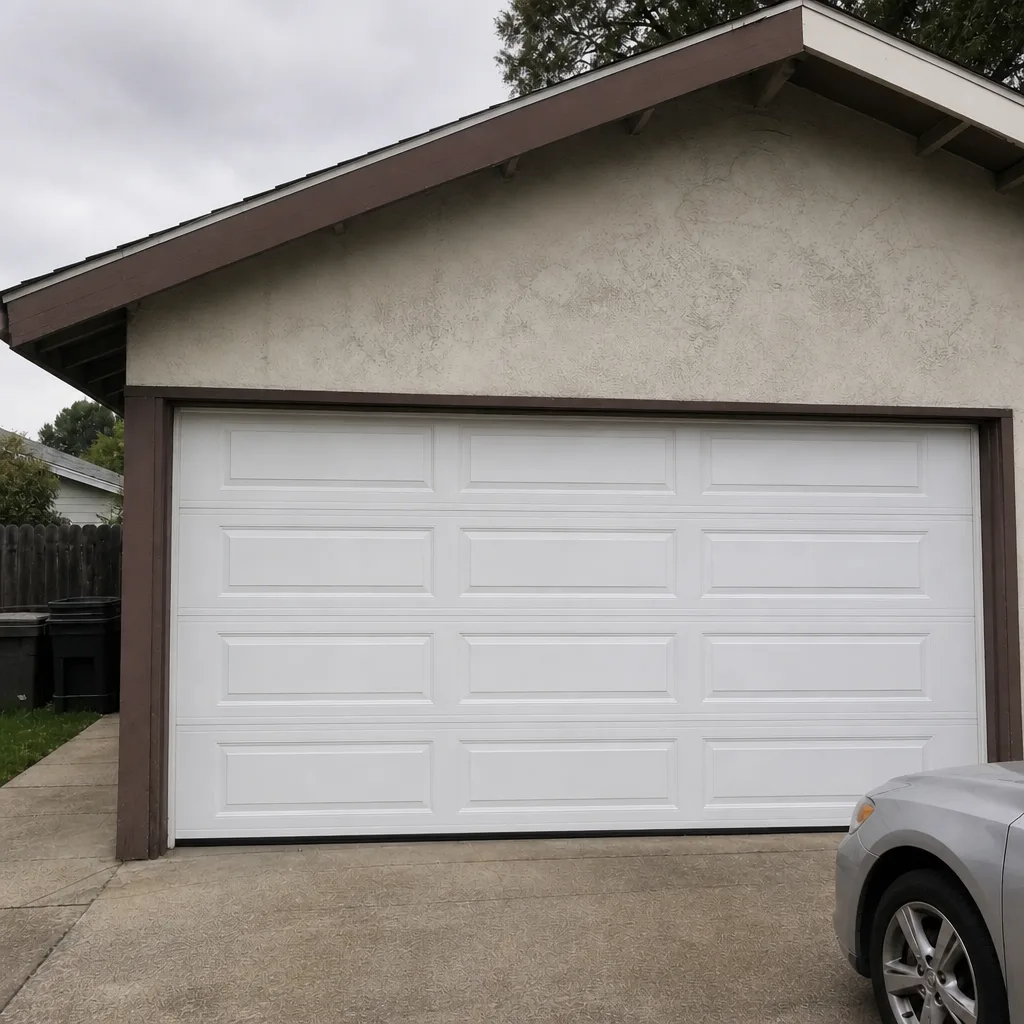 After
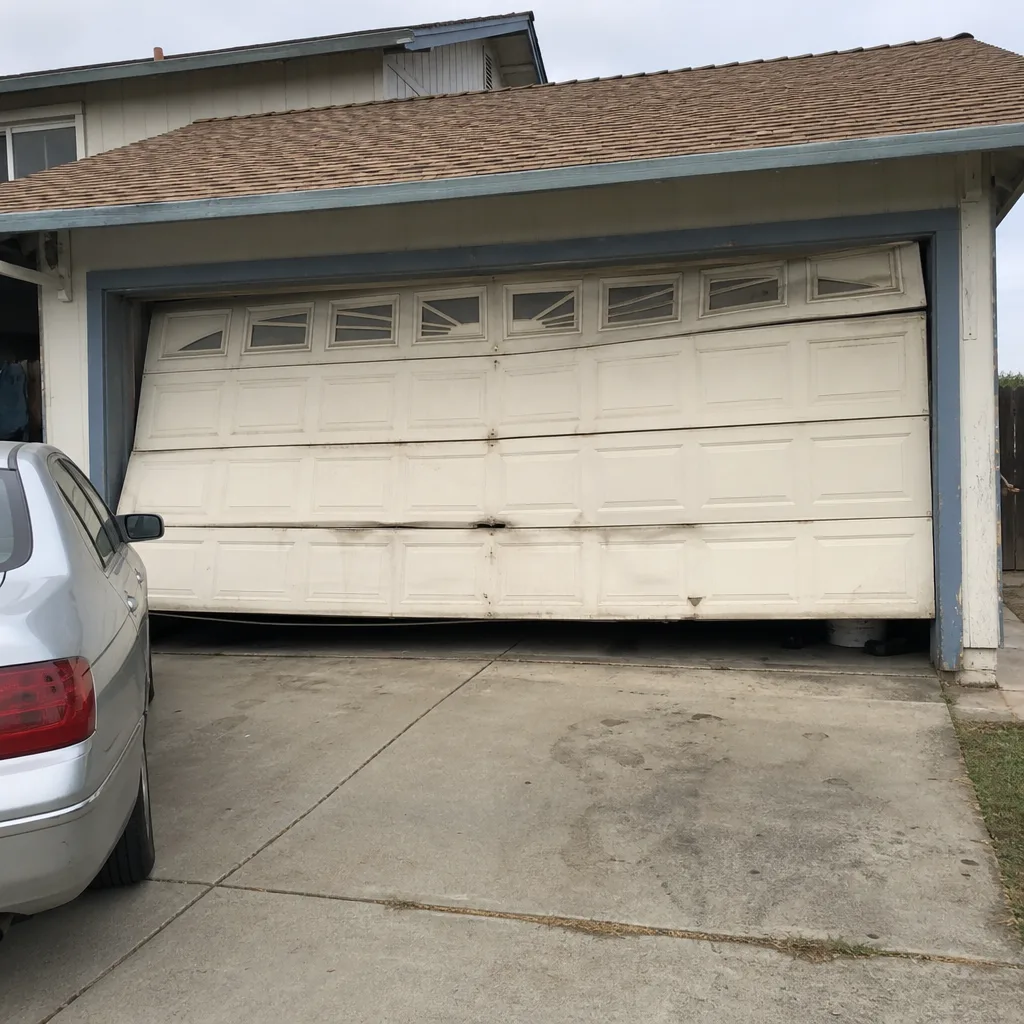 Before
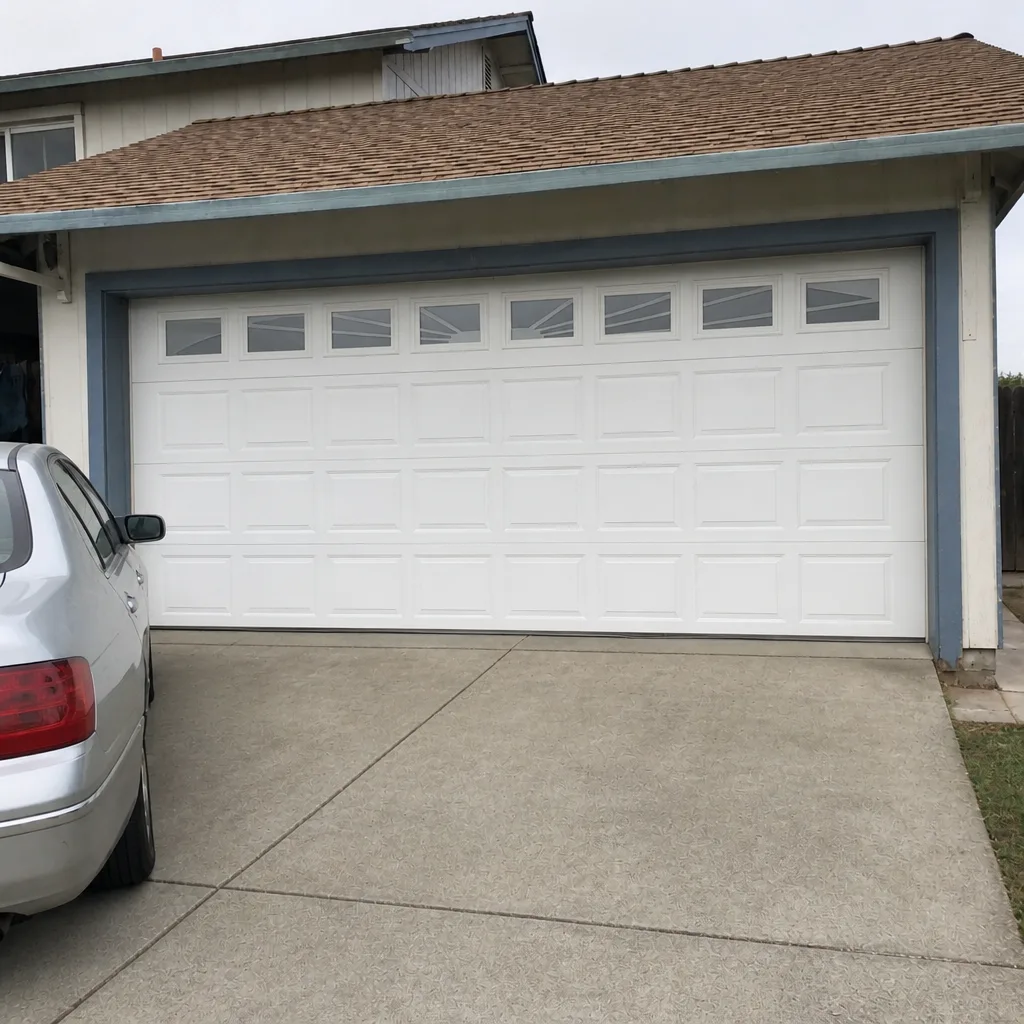 After
Common Mistakes to Avoid
- Never testing the manual release until the power goes out. Most homeowners find the release cord for the first time in a blackout. Test it once with the door closed, so the discovery doesn’t happen during an emergency.
- Forgetting to re-engage the drive after manual use. A disconnected opener will run its motor but not move the door, and many people misread that as a broken opener. Re-engage before assuming the worst.
- Ignoring a door that lifts hard by hand. A balanced door should lift with modest effort. If it fights you, the springs or cables need attention, and that’s a professional job.
- Cycling the door after an earthquake without checking the frame. A racked frame plus a running opener turns a minor shift into track and panel damage. Check the tracks first.
- Assuming a battery backup covers the heat. Garage temps above 90°F in Tracy reduce battery performance, so a backup opener is not a guarantee of power-independent operation in August.
- Tying the release cord short or hiding it behind stored items. Access is the whole point. Keep the path to the release clear.
- Not writing anything down. If only one person in the house knows the procedure, the procedure fails when that person is out of the house. Post a card.
When to Call a Professional
Call a professional when the manual release pulls but the door won’t lift smoothly, when the opener motor runs but the door doesn’t move after a re-engagement attempt, when tracks look bent or the door rubs on one side, or when you’re not sure whether a tremor shifted the frame. Call us too if your release cord is missing, jammed, or the trolley won’t snap back into the drive. Our team works on LiftMaster, Chamberlain, Genie, Clopay, Amarr, Wayne Dalton, and Raynor hardware, so the system in your garage is one we know. Tracy Garage Door Service offers free estimates in Tracy and the surrounding area. Call (855) 473-8941, and we’ll give you a written price before any work starts. We answer 24/7. Fast dispatch from 7am to 7pm, Sunday through Friday, closed Saturday. Our technicians have up to 14 years of experience on both the door side and the opener side, and we’re honest about when repair makes sense versus when the door is done.
Frequently Asked Questions
The manual release is almost always a cord or lever hanging from the trolley on the center rail of the opener, about six feet off the floor. On LiftMaster and Chamberlain it’s typically a red handle; on Genie it’s often a red T-handle or a cord with a tag. Find yours now while the power is on, and check the path to it. If it’s missing or jammed, call (855) 473-8941 for a free estimate.
Yes, if the door is balanced and the release works, you can lift the door by hand after pulling the manual release cord. Test it once before an outage so you know the door lifts freely. If the door feels heavy or binds, don’t force it; call us for a diagnosis. Estimates are free.
Close the door fully by hand, press the wall button once so the carriage meets the trolley, and wait for the click that means they’ve locked. Then test by pressing the button again. If the door still doesn’t move, pull the release cord and try once more. Call (855) 473-8941 if the drive won’t re-engage, estimates are free.
Yes. A quake can shift the frame or track enough that the door binds, even without visible damage to the house. Check the tracks for parallel alignment, look for a door that rubs on one side, and try to lift it by hand with the release pulled. If anything is off, don’t run the opener; call for a professional inspection. Call (855) 473-8941 and we’ll give you a written estimate before any work starts.
It will operate, but with reduced battery performance. Above 90°F, backup batteries lose capacity and reserve cycles, so a battery that was fine in spring may give you fewer openings in peak summer. Check the status indicator on the opener and test the battery on reserved power once before fire season. Call (855) 473-8941 if the indicator shows a fault.
The card should list your opener brand and model, where the release cord is, the one-line re-engagement steps, a “do not touch springs” warning, and the phone number for service. Post one inside the garage and one inside the house by the door to the garage. If you want it checked, call (855) 473-8941, and we’ll review your release setup during a free estimate.
The Bottom Line
Garage door emergency readiness in Tracy comes down to four things: knowing where your release cord is, testing it once so you know the door lifts, re-engaging the drive afterward, and posting a card that lets anyone in the household act without being told. Add a check of the tracks after any tremor, and stay honest about battery performance in summer heat above 90°F. The manual release is a simple mechanism, and it works, but only if you’ve tried it before you need it. If you want your door checked ahead of the next outage, call (855) 473-8941 for a free estimate. We answer 24/7. Fast dispatch from 7am to 7pm, Sunday through Friday, closed Saturday.
Written by the team at Tracy Garage Door Service.