
Last updated November 15, 2026
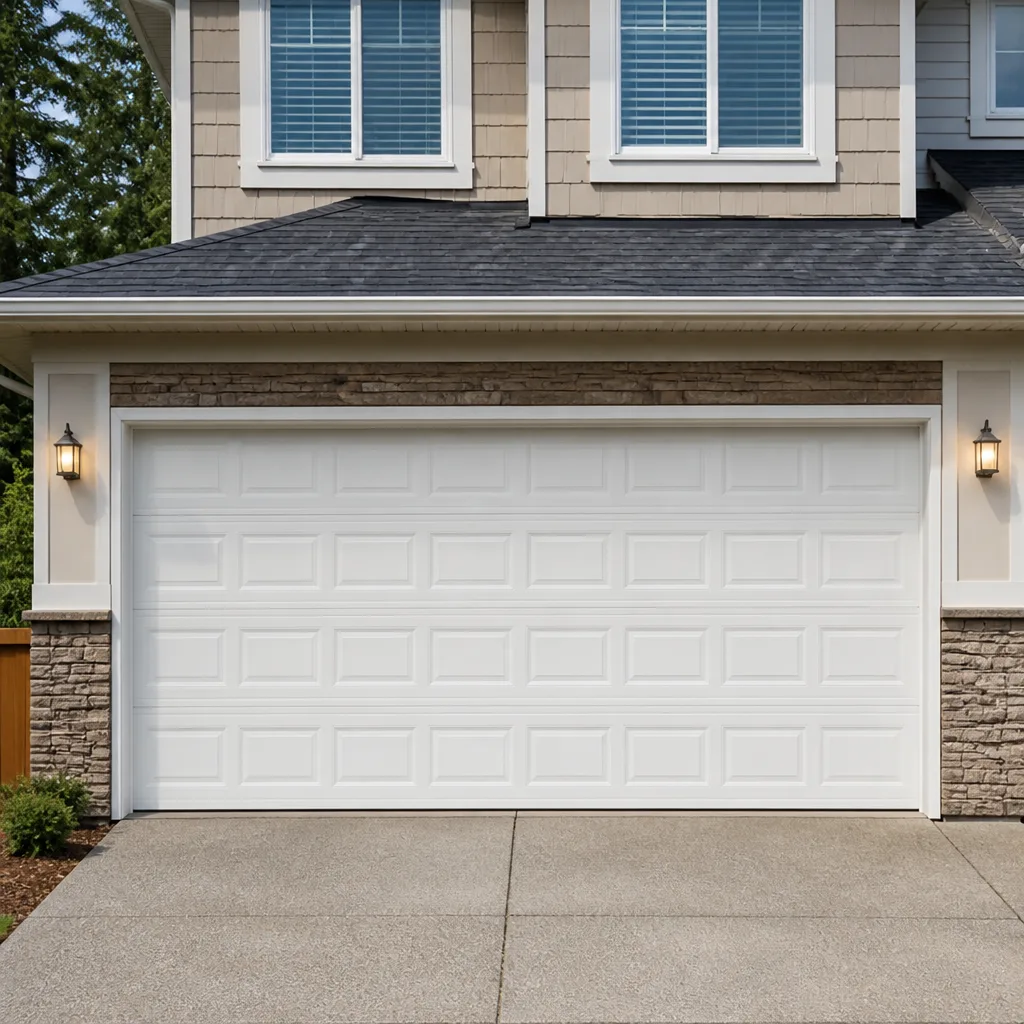 Raised-panel steel
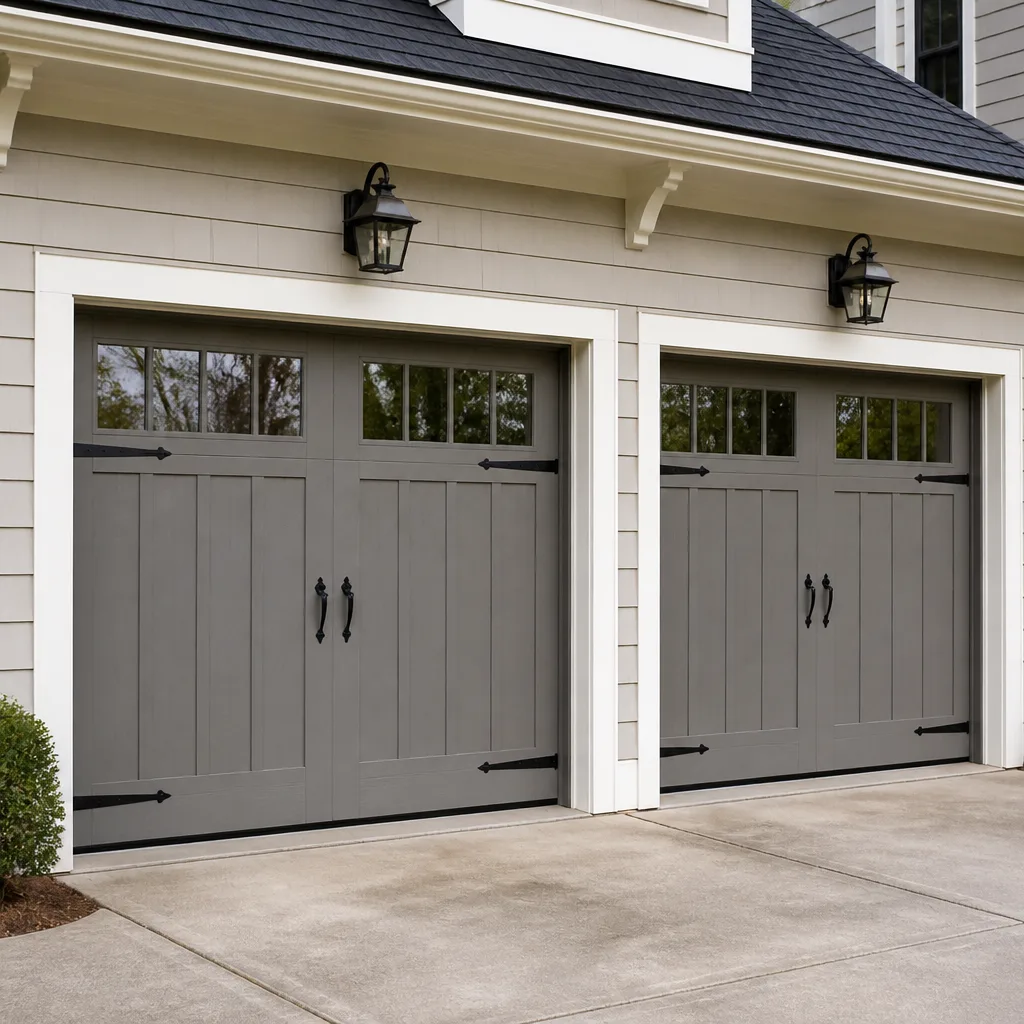 Carriage house
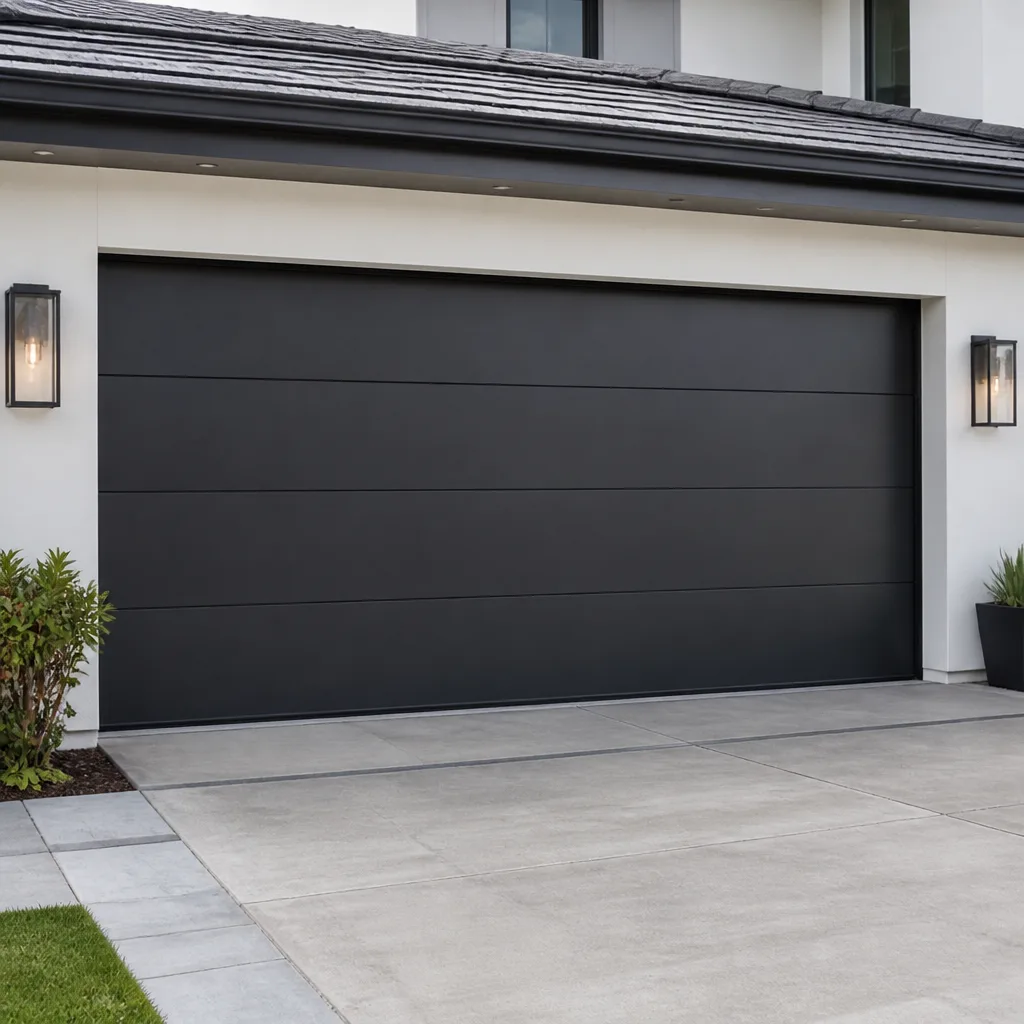 Modern flush
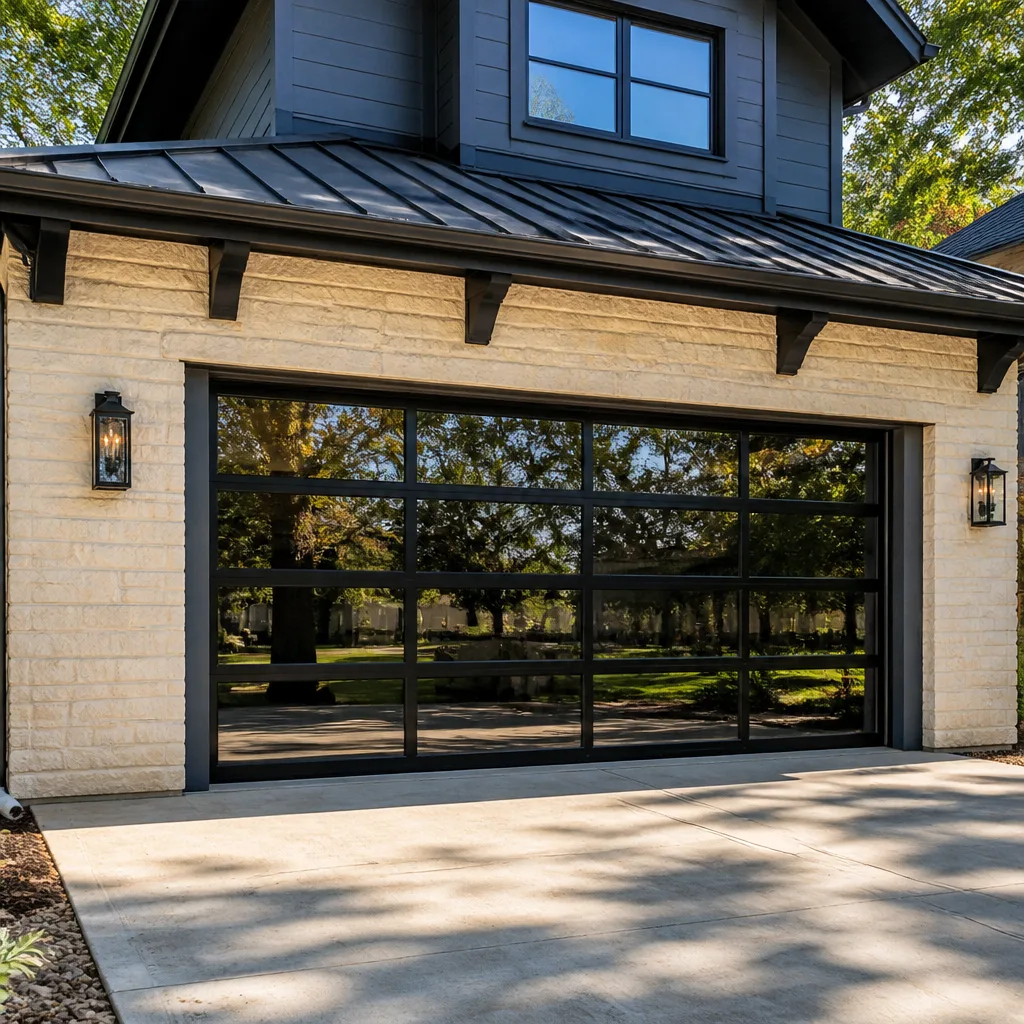 Full-view glass
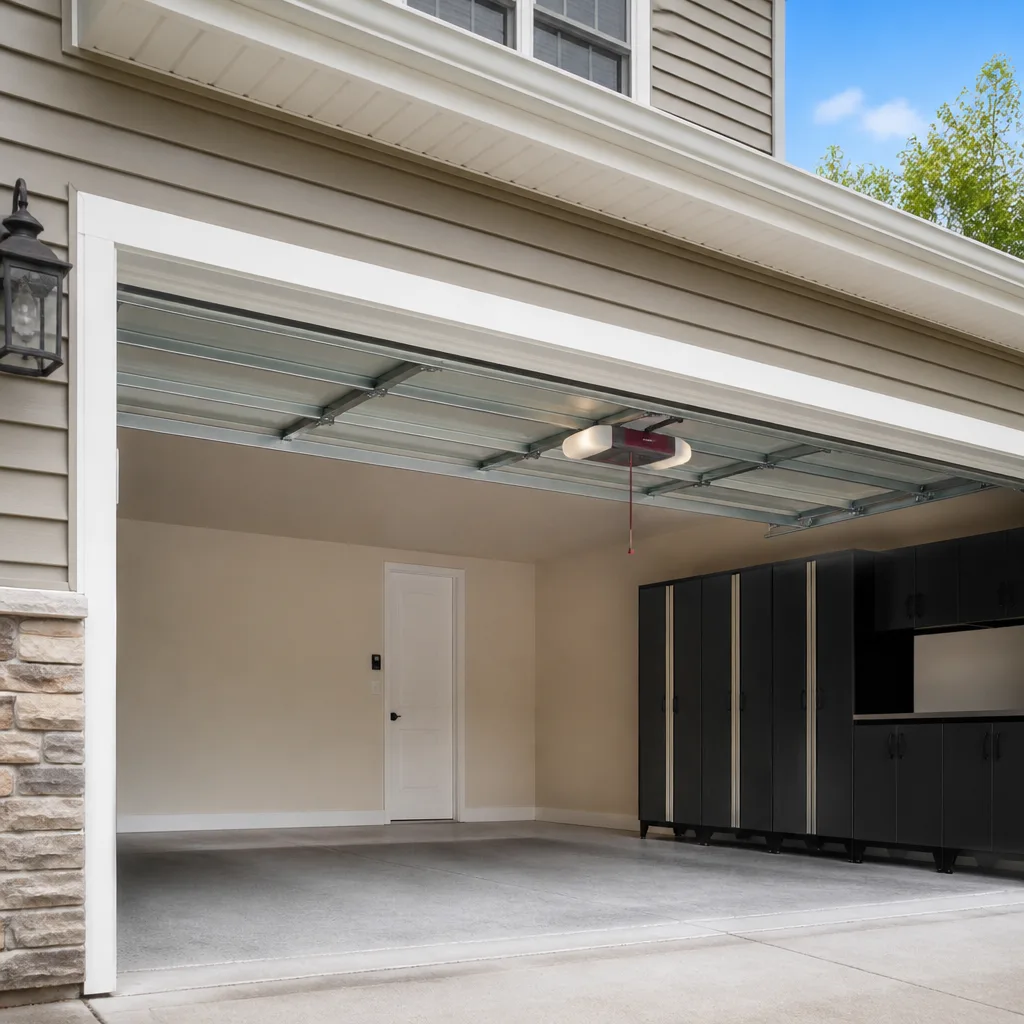 LiftMaster openers
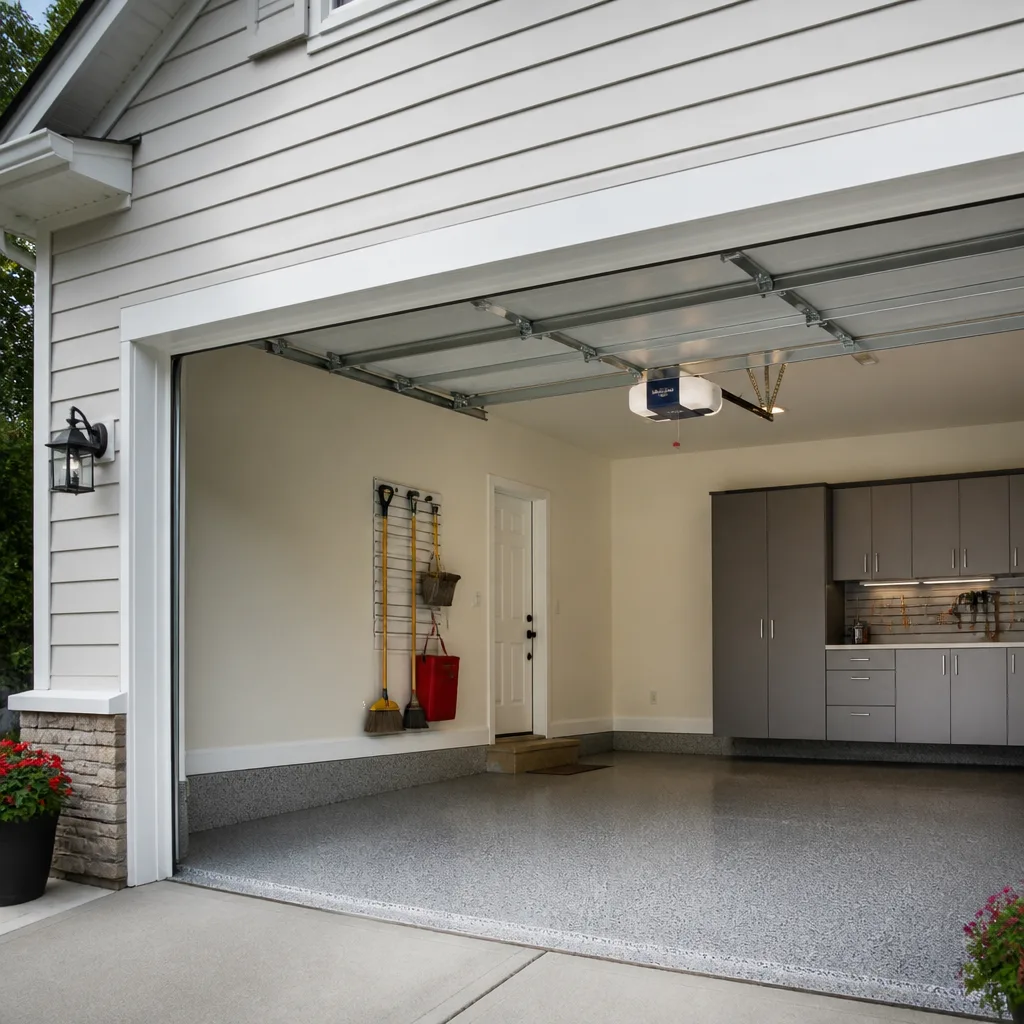 Chamberlain openers
Full 25-point door and opener safety check with every visit - springs, cables, rollers, tracks, and your LiftMaster or Chamberlain opener included
You get a price before we start. It does not change when the pro arrives.
Get your free estimateGarage Door Repair Maintenance Schedule: What to Do and When
The advice to lubricate your garage door every six months was written for a mild climate. Tracy isn’t a mild climate. Summer temperatures here routinely push past 100°F, and that heat does quiet, cumulative damage to nylon rollers, steel track and torsion springs long before anything visibly breaks. A schedule built for Ohio doesn’t fit a Central Valley door. So we built one that does, organized around how heat and winter rain actually stress the parts of a garage door. By the end of this guide you’ll know what to check in every month of the year, which lubricants survive a Tracy summer, how long each component should last, and the exact signs that mean it’s time to call us instead of grabbing a wrench.
Quick Answer
In Tracy, CA, the highest-value garage door maintenance window is October, not spring. The 100°F-plus summers expand track and dry out springs, and the winter rains that follow add weight and moisture to a door that’s already under stress. Check the door monthly, lubricate moving parts in spring and fall, and book a professional tune-up in October before the wet season. Our technicians have up to 14 years of experience and can tell you in a few minutes whether your door needs adjustment or just lubrication.
Styles & brands we work with
- Raised-panel steel
- Carriage house
- Modern flush
- Full-view glass
- LiftMaster openers
- Chamberlain openers
Table of Contents
- Why a Tracy Climate Changes the Maintenance Calendar
- The Month-by-Month Garage Door Maintenance Calendar
- Why October Is the Highest-ROI Maintenance Month in Tracy
- The Right Lubricants for Extreme Heat (and the WD-40 Myth)
- Lifespan Benchmarks by Component
- The 15-Minute Self-Inspection
- What the Noises Are Telling You
- Common Mistakes to Avoid
- When to Call a Professional
- Frequently Asked Questions
Why a Tracy Climate Changes the Maintenance Calendar
Most national garage door maintenance advice assumes a climate with a real winter, a real spring, and moderate summers. Tracy sits in the Central Valley, which means the opposite. Summers are long and hot, often in the triple digits for stretches, and winters are cool and wet rather than freezing. That combination produces a specific wear pattern on your door, and it isn’t the one the standard checklist was designed for.
Here’s what the heat does. Nylon rollers soften slightly and deform under load, which flattens the rolling surface and makes the door work harder. Steel track expands in the afternoon heat and can contract overnight, and over a season those tiny movements open up small gaps where sections meet the track. Torsion springs live in that same heat, and repeated thermal expansion and contraction is one of the quiet ways springs lose tension. Meanwhile, winter rain raises humidity, which affects wood door panels and makes weatherstripping brittle. It also adds resistance to the door’s travel if water finds its way to the bottom seal.
Put those two seasons together and you get a door that’s under thermal stress from roughly May through September, then under moisture stress from November through March. There’s a narrow band in between that’s the smartest time of year to service the whole system. That’s why our schedule doesn’t just say “check twice a year.” It says check monthly, lubricate at two specific points, and do the full service in October.
We work on the actual hardware installed in Tracy homes, from Clopay and Amarr panels to LiftMaster and Genie openers, so we’ve watched these patterns play out across thousands of doors. Understanding them is the difference between maintaining a door and reacting to it.
The Month-by-Month Garage Door Maintenance Calendar
A real maintenance schedule for a Central Valley door isn’t six months of the same thing. It’s a set of tasks mapped to what the climate is doing to the door at that moment. Here’s how we’d run it.
- January: After the first solid stretch of rain, check the bottom weatherstripping for cracks or a seal that’s letting water in. Look for water pooling at the threshold and listen for a change in how the door sounds as it closes.
- February: Check wood door panels, if you have them, for swelling or paint failure near the bottom edge. Moisture is the enemy this month. Wipe down the track with a damp cloth to clear grit that’s collected through winter.
- March: Inspect the rollers for flat spots from the cold-weather months. As temperatures start to rise, the door will travel slightly differently. Note any new noise now so you can track whether it’s weather or wear.
- April: First lubrication of the year. Get ahead of the heat. Apply a heat-stable lubricant to hinges, rollers, and the torsion spring coils (not the track itself). Check that the safety reverse still works with a small test object.
- May: As the first hot stretch arrives, check the track for any looseness. Heat expansion reveals hardware that wasn’t tight. Tighten the bolts on the track brackets and the hinges to finger-tight plus a quarter turn.
- June through August: Monthly visual check only. This is peak heat, and the door is under maximum thermal load. Look for sagging, listen for grinding, and watch the balance test (more on that below). Don’t lubricate heavily in the hottest weeks; you’ll just attract dust into soft grease.
- September: Begin the pre-winter assessment. Check the balance of the door, inspect springs for visible wear or gaps, and note anything that’s gotten louder over the summer.
- October: The full service window. Adjust track, lubricate thoroughly, inspect cables and springs, replace weatherstripping if it’s cracked. This is the month that pays for itself. More on why below.
- November: Confirm the weatherstripping seals against the first rains. Check gutters and drainage near the garage so water isn’t running toward the door opening.
- December: A light end-of-year check. Run the door through a full cycle a few times and note anything that’s changed. This is a good month to catch problems before the wet winter peak.
This calendar is built specifically for the Central Valley. A door in a colder, snowier climate needs a different rhythm entirely, and that’s exactly the point. If you’d rather not track all of this yourself, our garage door repair team can inspect the whole system and give you a written report on what needs attention now versus later.
Why October Is the Highest-ROI Maintenance Month in Tracy
If you do one thing to your garage door all year, do it in October. Not because October is special on its own, but because it’s the hinge point between two seasons that stress the door in opposite ways. By late October, the door has spent five months under heat-driven expansion, and the winter rains are weeks away. Fix the summer damage now and the wet season has nothing to compound.
Here’s the logic. When steel track expands in the heat, the mounting hardware can loosen just enough to create a gap between the track and the door’s rollers. It’s often a gap you can’t see but can feel as a slight rattle. Over the summer, those small gaps widen. By fall, the rollers are running slightly out of alignment, which accelerates roller wear and puts uneven load on the springs. Come winter, the added moisture and weight of wet weatherstripping means the door is fighting all of that at once.
An October service catches the gap while it’s still small and adjustment is all it takes. It also lets us look at the springs before they’re under combined thermal and moisture stress. Springs that are slightly out of tension in October are the ones that fail in January. We’d rather find them now.
This is why our Tracy customers hear the same recommendation every year: book the tune-up in early October. It’s the single highest-return half-hour you’ll spend on the door, and it’s the difference between maintenance and repair. If your track has already developed visible gaps or your door is running rough, that’s a repair call, and we’re happy to look at it.
The Right Lubricants for Extreme Heat (and the WD-40 Myth)
The biggest myth in garage door maintenance is that WD-40 is a lubricant. It isn’t, not for this job. WD-40 is a water displacer and light solvent. It’ll quiet a squeaky hinge for a day or two, but it also strips away the heavier lubricant underneath, leaving the metal drier than before. On torsion springs, that’s a real problem. A spring needs a protective film to resist corrosion and reduce friction between coils, and WD-40 won’t leave one. In a Tracy summer, the solvent flashes off fast and the metal goes back to running dry. Springs that run dry wear faster.
What holds up in the heat? Three types of product, and you should match them to the part.
- White lithium grease for hinges and the pivot points where metal meets metal. It holds film well in high temperatures and doesn’t run, though it does attract dust, so apply it sparingly.
- Silicone-based spray for rollers and the torsion spring. Silicone won’t gum up in the heat, it’s clean, and it’s the right choice for anything that needs to move freely without grabbing grit.
- Dry PTFE (Teflon) spray for tracks and the areas where rollers ride. It’s dry, so it doesn’t collect dust the way grease does, and it stays slick through the hot months.
A few things to avoid. Don’t grease the vertical or horizontal tracks with heavy grease. The rollers will pick up grit and the door will drag. Don’t use motor oil on anything. Don’t spray a foaming product into the spring coils and assume it’s penetrating. And never spray lubricant onto the photo-eye sensors or the opener’s drive gears, because both are picky about contamination.
The rule we give every customer is simple: silicone on the moving metal, dry PTFE on the tracks, lithium on the hinge pivots. In a hot climate, that combination will outlast any “all-purpose” spray. Your door works the same whether it’s a Clopay steel panel or a Wayne Dalton, and the lubricant rules apply across the board.
Lifespan Benchmarks by Component
Knowing roughly how long each part lasts tells you when to budget and when to plan. The ranges below are based on what our technicians have observed in Tracy homes, and they’re shorter than the national averages you’ll read online, because the heat here accelerates wear on most moving parts. These are estimates, not promises; the actual life depends on how often you run the door and how well you maintain it.
- Torsion springs: commonly 7 to 12 years with regular lubrication, shorter if the door is used heavily. Springs are rated by cycle count, so a household that opens the door eight times a day will wear them out well before one that opens it twice.
- Rollers: usually 5 to 10 years, with nylon rollers toward the shorter end in high heat. Flat-spotted or noisy rollers should be replaced before they damage the track.
- Cables: typically 8 to 15 years. Cables are under constant tension and fail without much warning. A frayed cable is a safety issue, not a maintenance item.
- Weatherstripping: 3 to 5 years. The bottom seal is the first thing to go in a hot climate. A brittle, cracked seal lets water, dust, and small pests in.
- Hinges: 8 to 12 years, longer if lubricated on schedule. Hinges wear at the pivot, not the plate.
- Openers: 10 to 15 years for the motor, less for the drive system depending on type. Belt drives tend to outlast chain drives, and screw drives fall somewhere in between.
Rollers and weatherstripping are the two parts we see fail fastest in Tracy specifically. Heat is hard on anything made of nylon or rubber. Build those into your annual budget and you’ll avoid the surprise repairs that come with a door that’s been ignored. If your door is at the upper end of any of these ranges, it’s worth having us look at it before something fails. Our garage door opener repair team can check the drive system at the same time.
The 15-Minute Self-Inspection
You don’t need tools or any real mechanical background to do a useful monthly inspection. What you need is a routine and the ability to notice when something has changed. Here’s the sequence we recommend, and it does not involve disassembling anything or touching a spring or cable.
- Visual pass (2 minutes): Stand inside the garage with the door closed and look at both vertical tracks. Are they straight? Are the brackets tight against the wall? Look at the rollers. Are they seated in the track or has one popped out? Look at the springs above the door. Any visible gaps in the coils, or rust spots?
- Manual balance test (3 minutes): Disconnect the opener (there’s a pull cord that releases the door). Lift the door by hand about halfway and let go. It should stay roughly where you left it. If it slides down, the springs are losing tension. If it won’t budge, something is binding. Reconnect the opener when you’re done.
- Open and close test (2 minutes): Run the door through a full cycle with the opener. Listen for changes in sound. Grinding means rollers or track. Squealing means bearings or hinges. A bang at the end of travel means the door is hitting its limit or the springs are weak.
- Safety reverse test (2 minutes): Place a small object (a roll of tape works) under the door as it closes. The door should reverse when it contacts the object. If it doesn’t, don’t use the door until a technician fixes the sensor.
- Weatherstripping check (2 minutes): Run your hand along the bottom seal with the door closed. It should feel flexible and press against the floor. Cracks or a stiff, brittle feel mean it’s time to replace it.
- Track and hardware check (2 minutes): Look at the bolts holding the track brackets to the wall. Loose bolts are one of the most common heat-related issues in Tracy. Tighten by hand if they turn easily, but don’t crank them down.
- Photo eye test (2 minutes): With the door open, wave your hand between the two sensors at the bottom of the track. The door should not close. Both sensors should have a steady light, not a blinking one.
What you’re looking for is change, not perfection. If the door sounded smooth last month and rattles this month, something moved. Note it. If something fails the balance test or sounds dramatically different, don’t keep running the door. That’s your signal to book a technician.
Important safety note: A garage door’s torsion springs and cables are under extreme tension and can cause serious injury if handled incorrectly. Do not attempt to adjust, replace, or even inspect them closely yourself. The self-inspection above is limited to visual checks from a safe distance. Anything that requires touching a spring or cable should go to a trained professional.
What the Noises Are Telling You
Your garage door is one of the few machines in your home that talks to you every day. The noise it makes is a diagnostic tool. Here’s how to read it.
- Grinding or rumbling: Usually rollers that have flat-spotted or bearings that have dried out. In a Tracy summer, this is the most common complaint we get. It’s often fixable with lubrication, but if it’s been grinding for weeks, the rollers are probably worn and need replacing.
- Squealing or a high-pitched whistle: Hinges or the roller stems. This is a lubrication issue, and it’s the easiest thing to fix. Use silicone or lithium grease at the pivot points.
- A loud bang when the door starts to open: This is often the torsion spring. It’s under tension and, when it’s losing strength, it can snap back into position when the door moves. A single loud bang that stops the door from opening usually means a spring has broken. Stop using the door and call us.
- Rattling: Loose hardware. Run around the door and check bracket bolts and hinge screws. In the heat, steel expands and fasteners that were tight lose their grip.
- A groaning noise from the opener: The opener’s drive system is straining. This could be a worn gear, a failing motor, or a door that’s become too heavy for the opener because the springs have weakened. That’s why we treat the door and the opener as two separate systems; they fail for different reasons and need different diagnostics.
If you’ve noticed a noise that’s new in the last couple of weeks, it’s worth a call. We can usually tell you what’s going on from a description, and our Tracy Garage Door Service team will give you an honest assessment.
Common Mistakes to Avoid
- Lubricating on a fixed calendar instead of a seasonal one. The “twice a year” rule is a placeholder for a real schedule. In Tracy, the two lubrication points that matter are spring (April) and fall (October), not just any two dates.
- Using WD-40 on springs and hinges. It’s a solvent, not a lubricant. It quiets a squeak for a day and dries the metal out underneath. Use the right product and you won’t have to reapply in a month.
- Ignoring track gaps in October. The heat opens small gaps in the track where it meets the door. They’re invisible in summer and become a problem in winter when the door is heavier and running out of alignment. An October adjustment is cheap; unplanned repairs aren’t.
- Tightening bolts too hard. Heat-related expansion loosens bolts, but overtightening strips the threads or warps the track. Tighten to snug, not cranky.
- Skipping the balance test. A door that doesn’t stay up when you release it halfway is telling you the springs are weak. If you keep running the opener on weak springs, the motor will burn itself out pushing a door it can’t lift.
- Replacing rollers with the cheapest set available. A cheap nylon roller will flat-spot in one hot Tracy summer. Spend a little more on a quality roller and it’ll last years longer.
- Assuming a noisy opener means a new opener. Sometimes the door itself is the problem, and sometimes the opener is. If the opener is a LiftMaster or Chamberlain, it’s almost always worth repairing rather than replacing.
When to Call a Professional
Some things are safe to handle yourself: lubricating hinges, wiping down the tracks, replacing weatherstripping, tightening a bracket bolt. Some things absolutely are not. Call us when the door won’t balance on the balance test, when you hear a bang and the door won’t open, when a cable looks frayed or slack, when the door is visibly sagging or off its track, or when the opener runs but the door doesn’t move. Also call if you’ve lubricated and adjusted and the door still grinds; that usually means a component has worn past the point of lubrication.
Springs and cables are the two most dangerous parts of a garage door and the two you should never touch. If you’re not sure whether a problem is safe to work on, call and describe it. We answer 24/7. Our technicians have up to 14 years of experience and can tell you in a couple of minutes whether it’s a self-fix or a service call. Tracy Garage Door Service offers free estimates in Tracy – call (855) 473-8941.
Frequently Asked Questions
Twice a year, once in April before the heat and once in October before the rains. The “twice a year” advice is standard, but the timing is what matters. Lubricating in the peak heat of July attracts dust into the grease and can do more harm than good. Do it as the seasons turn.
October. Fall is the hinge point between the hot, dry summer and the cool, wet winter. Adjusting the track in October catches the heat-expanded gaps before the rain season adds weight to the door. It’s the single highest-return inspection on the calendar. Call (855) 473-8941 if you want us to look at your door before the rains.
Commonly 7 to 12 years in Tracy, with the shorter end of that range if the door is used heavily. Springs are rated for cycles, so a busy household wears them faster. If your door is over 7 years old and the balance test shows it’s not holding, it’s worth having the springs inspected.
No. Torsion springs are under extreme tension and can cause serious injury if handled incorrectly. This is one of the genuinely dangerous parts of the trade, and it should always go to a trained professional. Call (855) 473-8941 and we’ll handle it safely.
No. WD-40 is a water displacer and light solvent, not a lubricant. It can quiet a squeak for a day, but it strips the good lubricant off and leaves the metal drier than before. Use silicone on the moving parts and dry PTFE on the tracks.
A loud bang usually means a torsion spring has broken or is losing tension. Stop using the door and call a technician. In our experience, it’s the most common single symptom of a spring failure, and it’s a repair, not a maintenance item. Call (855) 473-8941 for a free estimate.
The Bottom Line
The standard “lubricate twice a year” advice is a starting point, not a schedule. In Tracy, the calendar that actually protects your door runs on heat in the summer and rain in the winter, with October as the hinge point where a single service prevents the most problems. Check the door monthly, lubricate in April and October, use the right products, know your component lifespans, and treat the balance test as your early warning system. Springs and cables are a professional’s job. Everything else you can watch, and the watching is what keeps you out of the repair bay. We’re a single-trade shop, and that focus is why our technicians have up to 14 years of experience diagnosing exactly these patterns.
Contact
If your door is giving you a reason to worry, or if it’s simply due for the October service, call Tracy Garage Door Service at (855) 473-8941 for a free estimate. We answer 24/7. Fast dispatch from 7am to 7pm, Sunday through Friday. Whether it’s your door panels, your opener, or the whole system, we work on your brand and we’ll tell you honestly which repairs actually make sense.
Written by the team at Tracy Garage Door Service.
See the difference
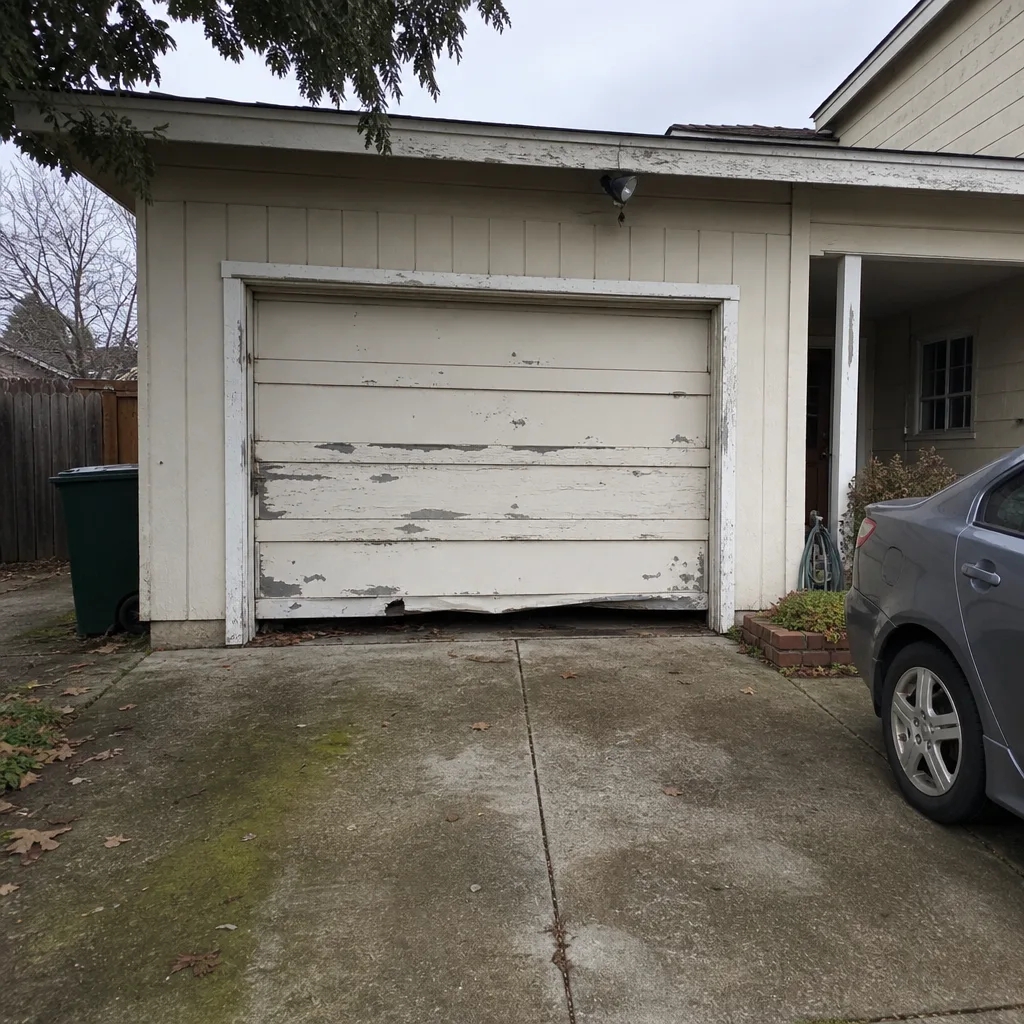 Before
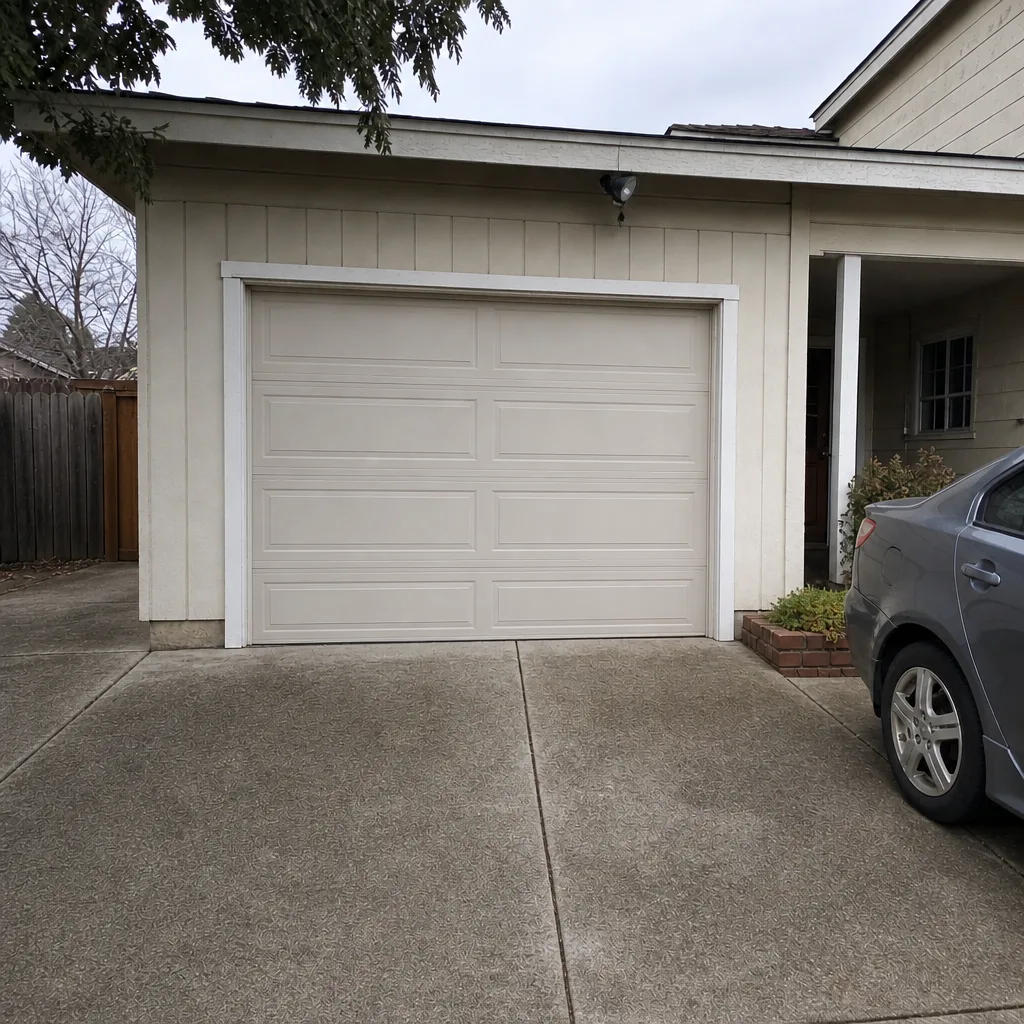 After
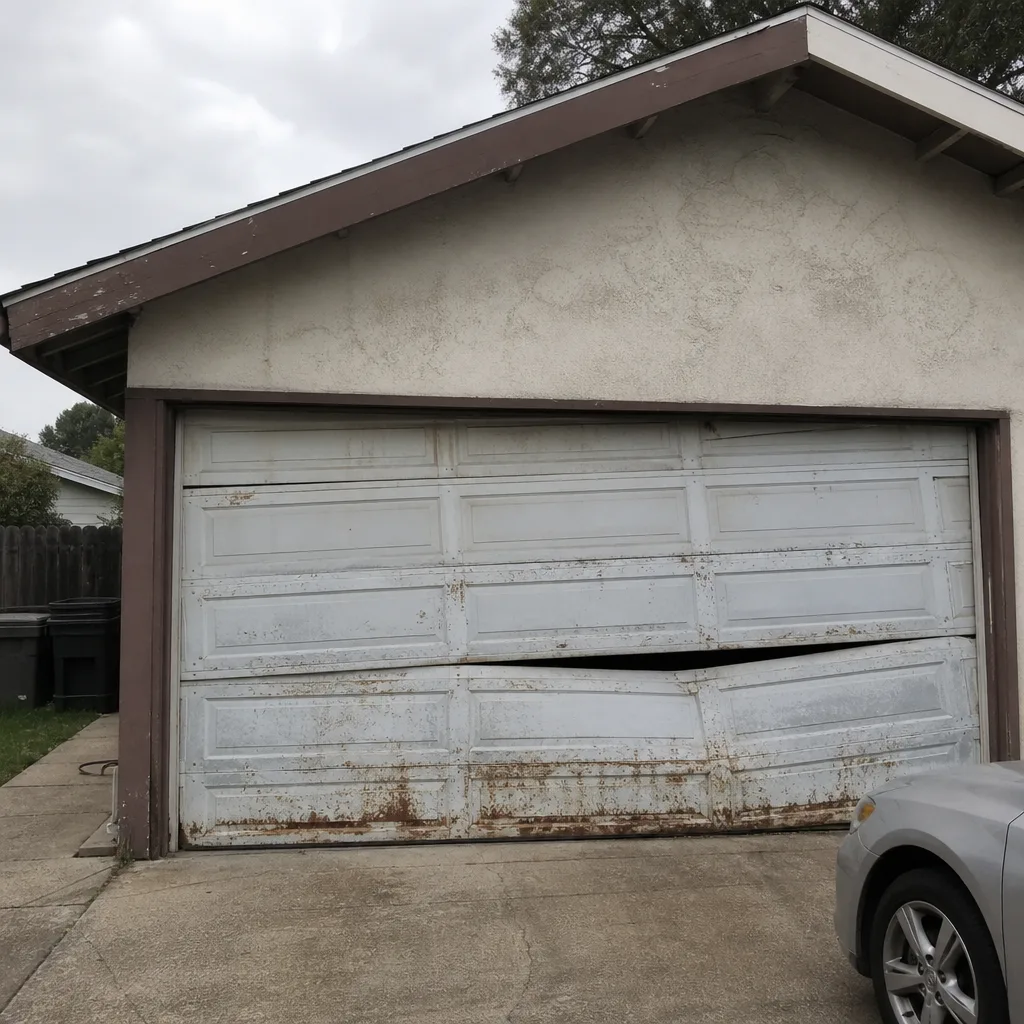 Before
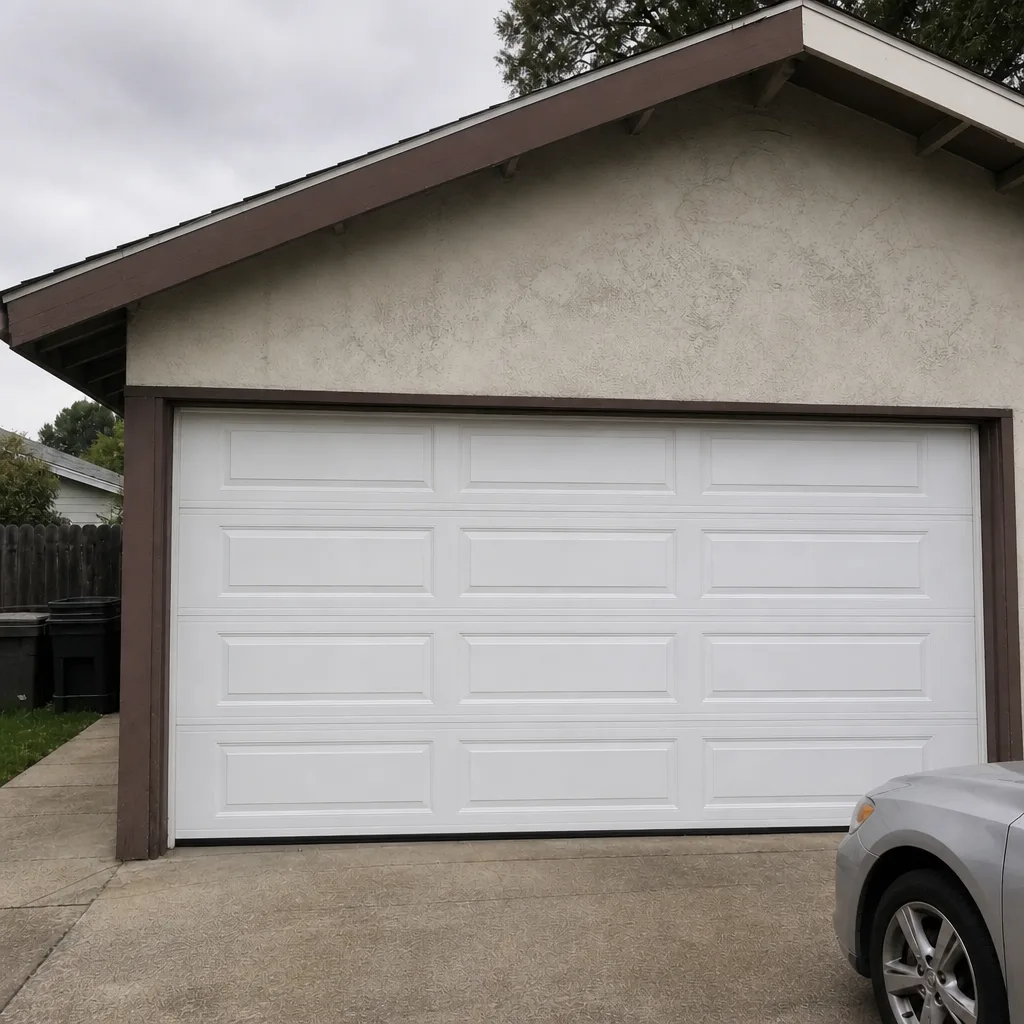 After
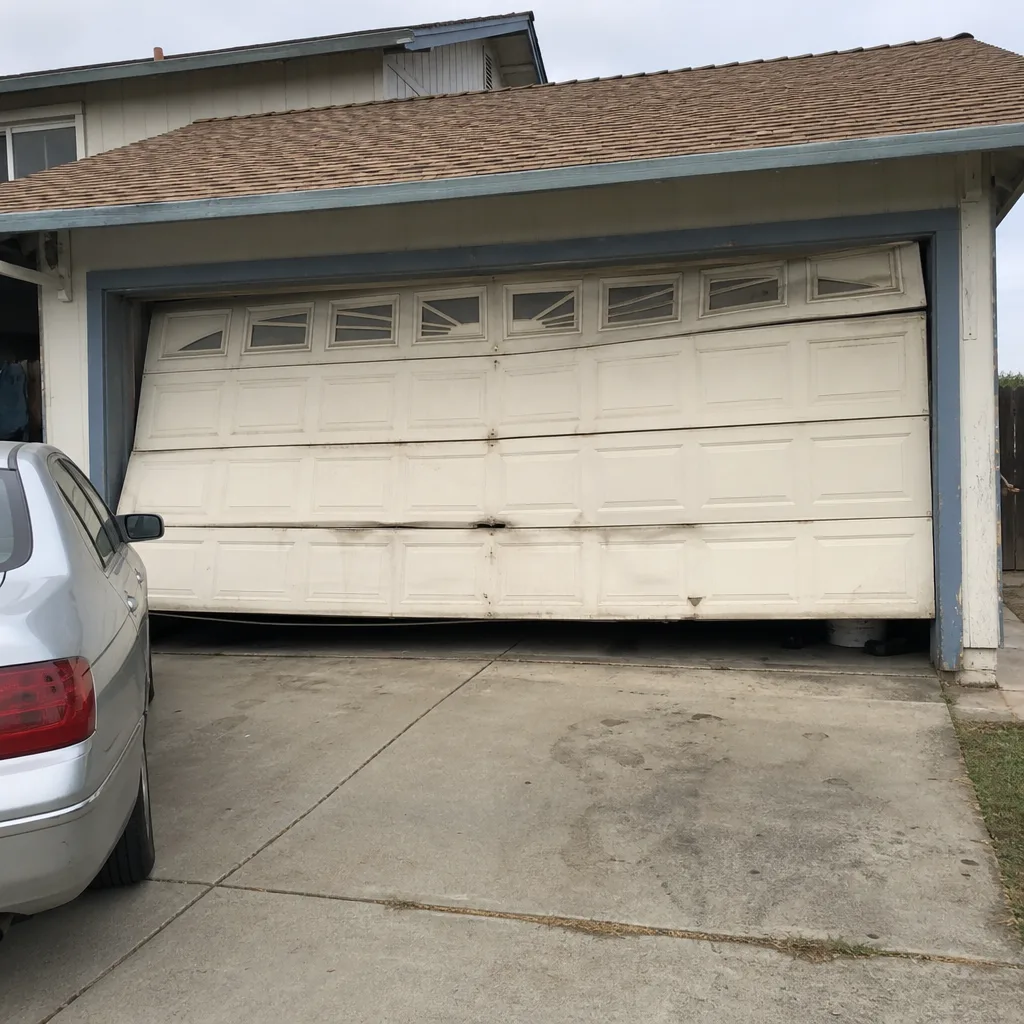 Before
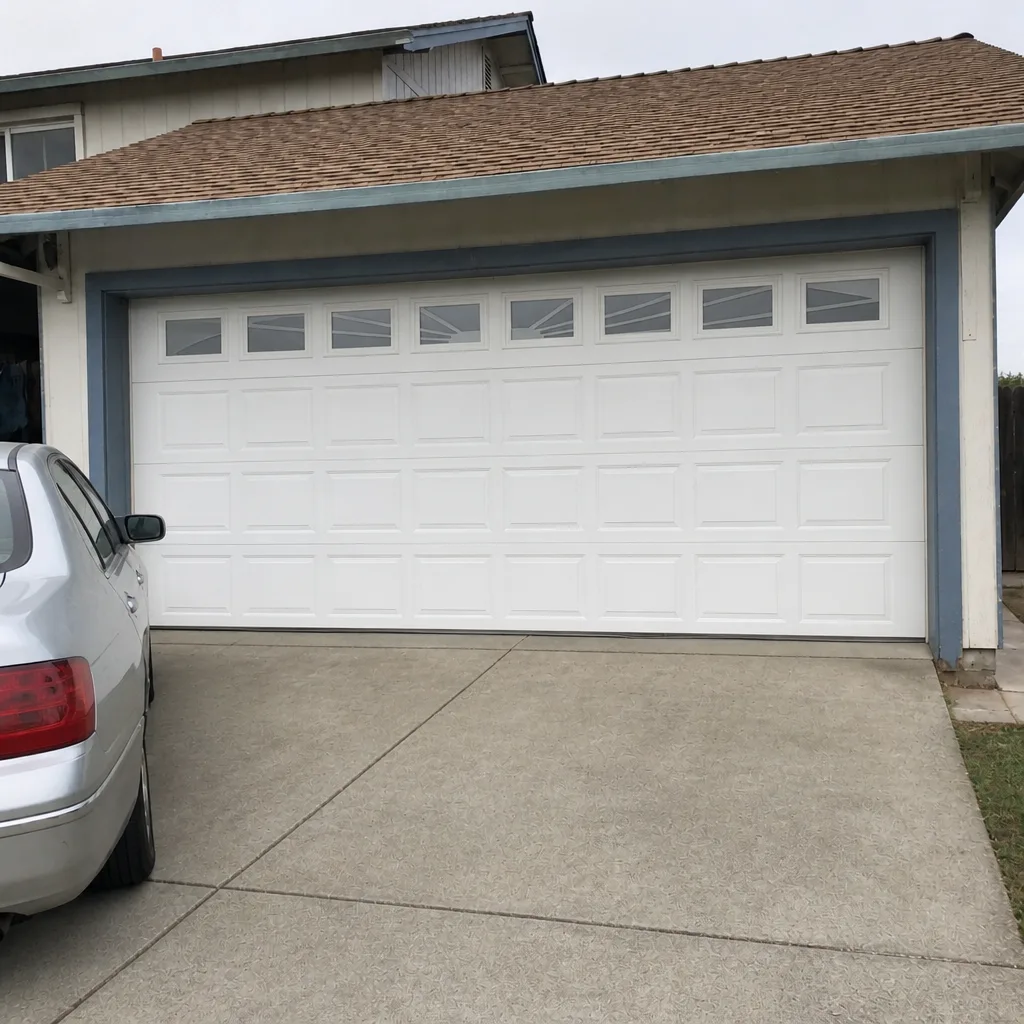 After